

Discover Meditation Neurotechnology (Guide)
Yrian BrugmanWritten by MindAlive – 35 years of brainwave entrainment, 5× awarded for innovation in neurotechnology.
Meditation Technology (Full Guide): Tools That Upgrade Your Mind
Meditation has been practiced for thousands of years — but in the last decade, cutting-edge meditation technology has transformed how beginners, high performers, and clinicians build calm, focus, emotional balance, and brain-state awareness.
From wearables to neurostimulation to immersive soundscapes, today’s tools make meditation more accessible, measurable, and effective than ever before. This guide breaks down the devices, apps, and technologies shaping the future of meditation — including how they work and who benefits most.

What Is Meditation Technology?
Meditation technology includes any device or software that enhances, guides, or measures meditative states. Examples include:
- brainwave entrainment (light, sound, or vibration)
- EEG neurofeedback headsets
- HRV biofeedback sensors
- breath tracking wearables
- guided meditation apps
- immersive sound or vibroacoustic systems
The goal is always the same: make meditation easier, more effective, and more personalized.
Why Meditation Technology Works
Most people struggle with meditation because the brain is overstimulated, anxious, or distracted. Technology helps by:
- guiding brainwaves into relaxed states
- providing real-time feedback (HRV, breathing, EEG)
- reducing internal noise
- building consistency and habit
- showing measurable progress over time
For readers new to brainwave concepts, explore: Human Brainwaves by Age.
The Main Categories of Meditation Technology
1. Brainwave Entrainment (AVE, Binaural, Isochronic)
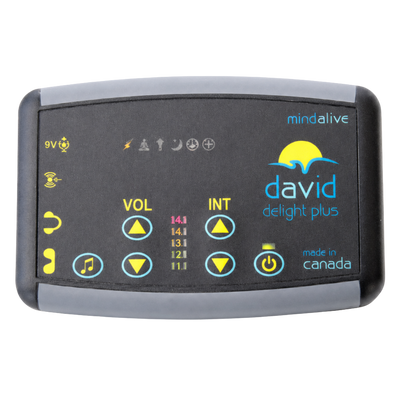
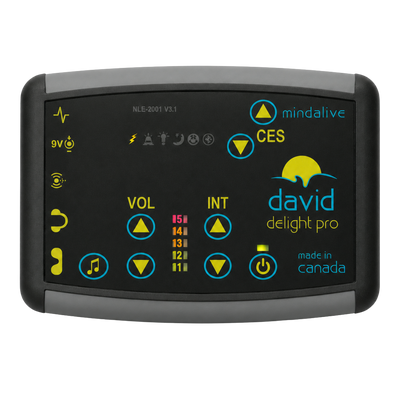
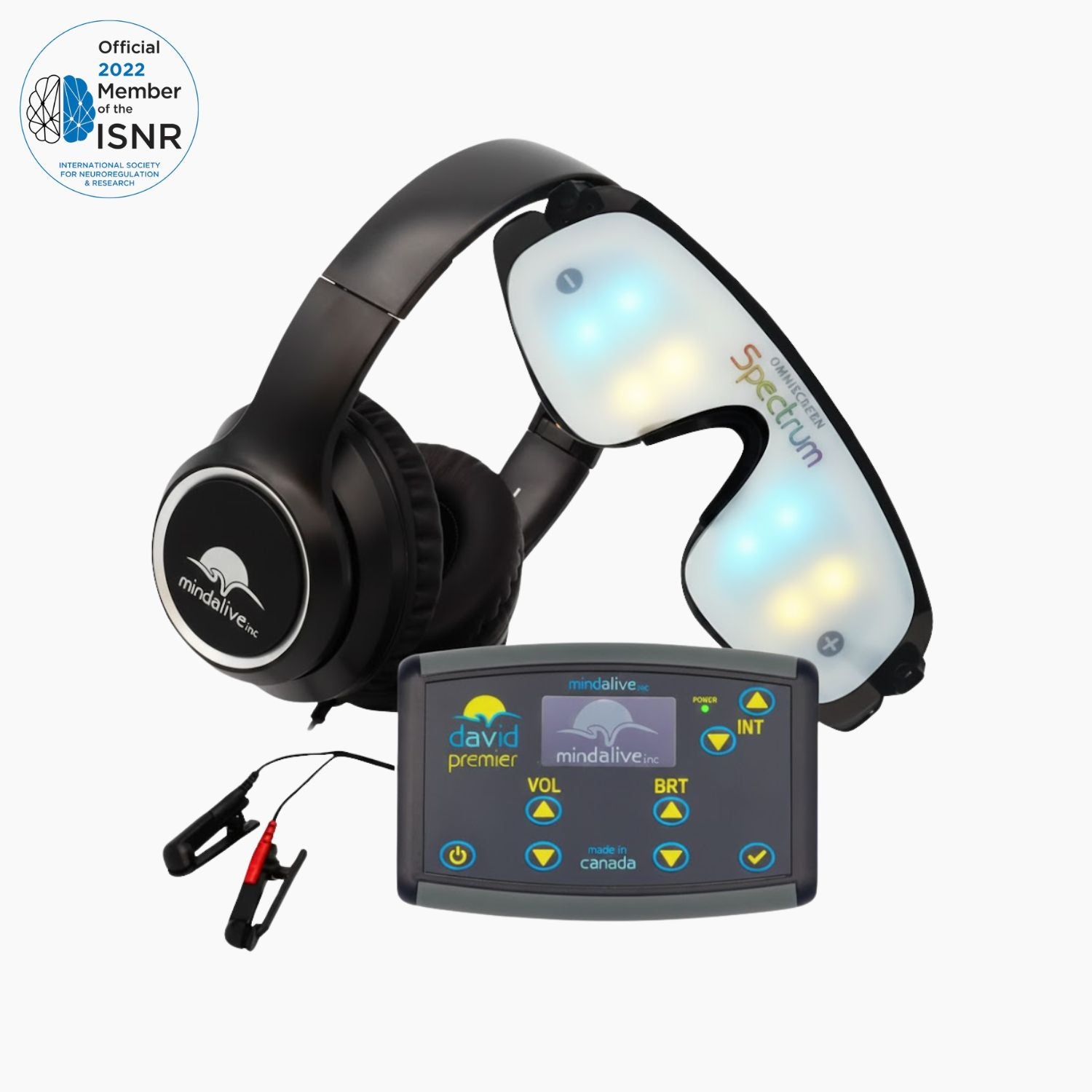
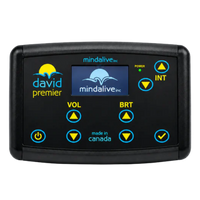
This is one of the most effective forms of meditation technology. Audio-visual entrainment (AVE) uses rhythmic light and sound to guide the brain into calming frequencies like alpha (8–12 Hz) or theta (4–7 Hz). See a full guide: DAVID Premier.
2. EEG-Based Meditation Devices
These headsets measure brainwave activity and provide feedback when your mind wanders. They help train attention and calm through real-time cues.
3. HRV Biofeedback
Heart-rate variability tracking helps people learn breathing patterns that activate the parasympathetic nervous system. HRV coherence often correlates with meditative calm.
4. Breathwork Technology
Devices that detect breathing depth, rhythm, and pace help users regulate stress and deepen meditation through guided inhale/exhale patterns.
5. Immersive Soundscapes
High-quality spatial audio, binaural beats, and ambient sound design immerse the mind in calming experiences that support focus and emotional reset.
Comparison of Meditation Technologies
| Technology | Main Benefit | Best For | Difficulty |
|---|---|---|---|
| Brainwave entrainment (AVE) | Fast, deep relaxation | Beginners, anxious minds, sleep | Very easy |
| EEG meditation headsets | Attention training | Beginners & productivity | Easy–medium |
| HRV biofeedback | Stress reduction & balance | Burnout, anxiety | Easy |
| Breathwork trackers | Calm & nervous-system control | Anxiety, somatic reset | Very easy |
| Immersive sound tools | Relaxation & flow | Creativity, meditation | Very easy |
Benefits of Meditation Technology
- faster entry into meditative states
- deeper relaxation & emotional clarity
- improved focus and attention regulation
- better sleep and parasympathetic balance
- structured, consistent practice
- measurable progress (brainwaves, HRV, breath data)
Is Technology Better Than Traditional Meditation?
Not better — but often easier. Most beginners quit meditation out of frustration. Technology provides:
- guidance
- structure
- sensory cues
- brainwave support
- feedback loops
This makes meditative states more accessible, especially for people with:
- ADHD
- anxiety
- overthinking
- stress-related dysregulation
- sleep problems
Can Meditation Technology Replace Neurofeedback?
No — neurofeedback measures brainwaves directly and adjusts training in real time. But meditation technology can complement neurofeedback or act as a lower-cost alternative.
For structured brain-state guidance, see: DAVID Premier.
Who Benefits Most From Meditation Technology?
- beginners who struggle with focus
- people with anxiety or hypervigilance
- busy professionals
- students and creatives
- people who want a deeper meditation experience
- those seeking measurable progress
Looking for a Guided Meditation Technology System?
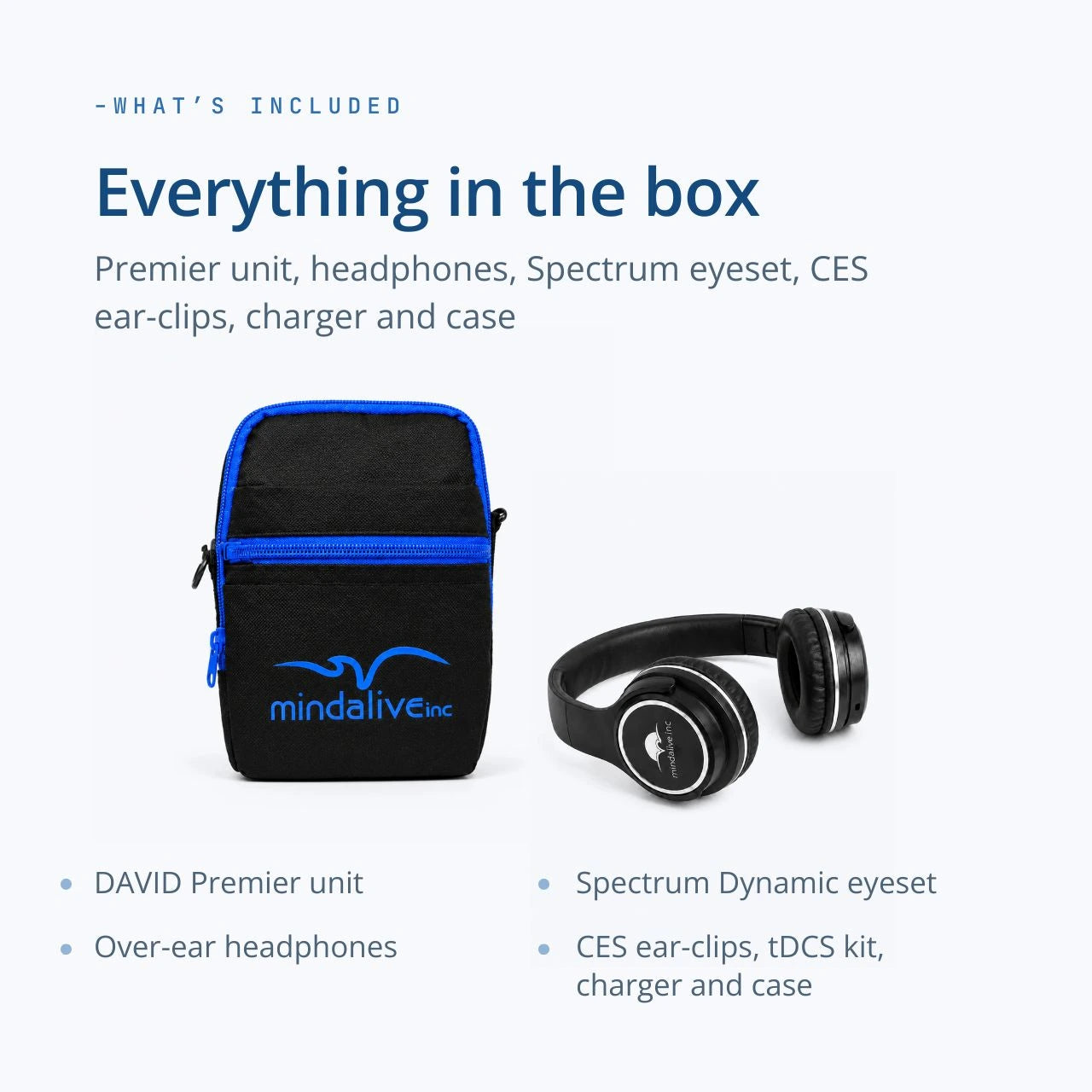
If you want a structured, evidence-based way to support calm, focus, and deep relaxation without needing years of meditation experience, explore the DAVID Premier below.
Explore DAVID Premier