

Essential FAQs You Need to Know About Mindfulness Techniques
Mind AliveIn recent years, mindfulness has become a buzzword in wellness communities, workplaces, and personal development spaces. People are eager to understand and incorporate mindfulness techniques into their lives to reduce stress, increase focus, and improve overall well-being. This article addresses some of the most common questions about mindfulness techniques, illuminating their benefits and how you can integrate them into your daily routine.
For more information on mindfulness-related products, you can visit Mind Alive.
What is Mindfulness?
Mindfulness is the practice of being present and fully engaged in the current moment without judgment. It involves being aware of your thoughts, emotions, and sensations in the present rather than worrying about the past or future. This practice has its roots in Buddhist meditation but has been adapted into various secular settings.
Key Aspects of Mindfulness
- Presence: Focusing entirely on the present moment.
- Awareness: Being deeply connected to your surroundings and your internal state.
- Non-judgment: Observing your thoughts and feelings without labeling them as good or bad.
How Can Mindfulness Benefit You?
Research has shown that mindfulness can bring numerous benefits to both mental and physical health. Major benefits include:
- Stress Reduction: Mindfulness helps in lowering stress levels by altering the body’s response to stress.
- Improved Focus: Regular practice enhances concentration and reduces mind-wandering.
- Enhanced Emotional Health: It aids in managing anxiety and depression by increasing emotional regulation.
- Better Physical Health: Mindfulness can lower blood pressure, improve sleep, and boost the immune system.
Common Mindfulness Techniques
Meditation

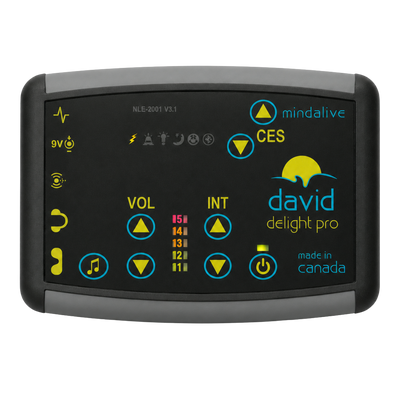
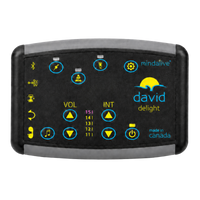
One of the most well-known methods, meditation involves sitting quietly and concentrating on a focal point like the breath, a sound, or a mantra. Mind Alive offers devices such as the DAVID Delight that can enhance your meditation practice with light and sound therapy, making it easier to achieve a meditative state.
Breathing Exercises
Simple but effective, breathing exercises can be practiced anywhere. Techniques like deep breathing, progressive muscle relaxation, and guided imagery focus on breath control to bring calm and facilitate relaxation.
Body Scan
This entails lying down and mentally scanning your body for areas of tension. Concentrate on each part of the body from head to toe, releasing stress with each exhalation.
Mindful Walking
Unlike ordinary walking, mindful walking requires you to focus fully on the experience of walking. Feel your feet touching the ground, the movement of your muscles, and the rhythm of your steps.
Mindful Eating

Mindful eating involves paying attention to the experience of eating, noticing the taste, smell, and texture of the food, and chewing slowly to fully appreciate each bite.
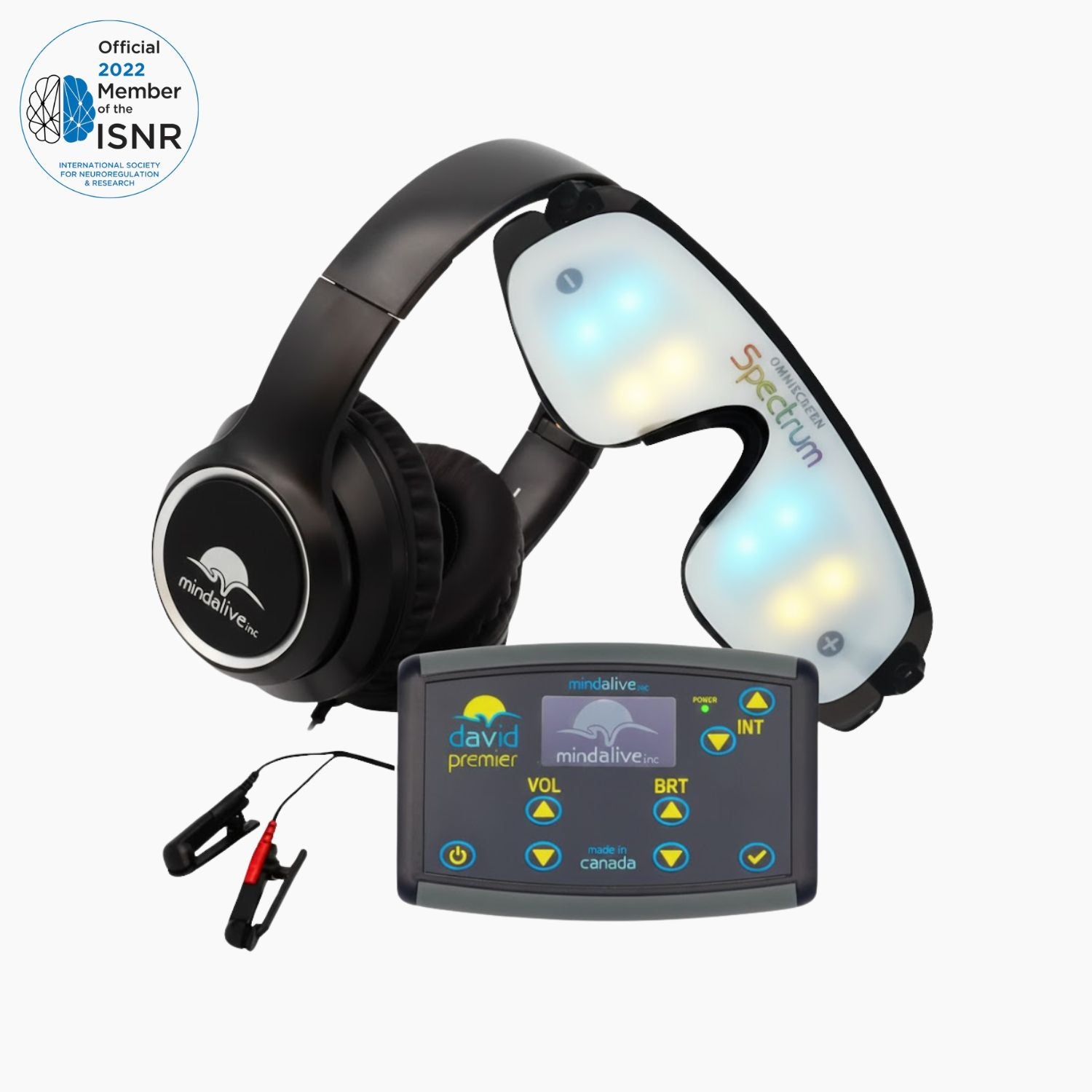
For those who find integrating mindfulness into their daily routines challenging, the Spectrum Viewhole Eyeset can help create a sense of focus and relaxation through visual stimulation.
How to Get Started with Mindfulness?

Starting a mindfulness practice can be simple and does not require any special equipment or extensive training. Here are a few steps to get you started:
- Set a Regular Time: Choose a specific time to practice mindfulness daily. This could be in the morning, during lunch breaks, or before bedtime.
- Create a Sanctuary: Find a peaceful spot in your home where you can practice mindfulness without distraction.
- Start Small: Begin with a few minutes of mindfulness practice and gradually increase the duration as you become more comfortable.
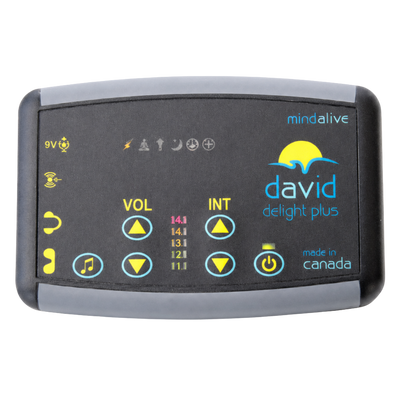
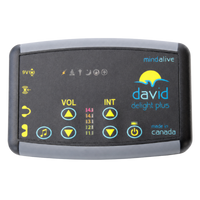
- Use Resources and Tools: Consider guided meditations or mindfulness apps to assist in your practice. Devices like the DAVID Delight Plus are excellent for beginners, as they provide structured sessions to guide you.
How Do You Know Which Technique is Right for You?

Choosing the right mindfulness technique depends largely on your personal preferences and lifestyle. Here are some points to consider:
- Your Environment: If you’re often in busy settings, techniques like silent meditation or body scans can provide you with a peaceful escape.
- Your Goals: Determine whether your goal is stress relief, enhanced focus, emotional health, or physical well-being. Each mindfulness method offers unique benefits.
- Personal Preferences: Some might find stillness preferable, while others may prefer movement-centric practices, like mindful walking.
For additional assistance, explore tools that can assist mindfulness practitioners like the TDCs Kit for enhanced focus and mental performance.
FAQs on the Duration and Consistency of Practice
Q: How long should I practice mindfulness each day?
A: Even a few minutes a day can be beneficial. Ideally, aim for 10-20 minutes of mindfulness daily. Consistency is more crucial than duration.
Q: Do I need a teacher or guide?
A: While a teacher can be beneficial, particularly for beginners, many people successfully practice mindfulness through self-guided methods or using assistance tools like those offered by Mind Alive.
Challenges and Solutions in Practicing Mindfulness
Challenge: Restlessness

Many practitioners initially struggle with restlessness, finding it hard to sit still and focus. Devices like the Spectrum Eyeset can help you remain engaged by providing soothing visuals that enhance meditation.
Challenge: Judging Yourself
It's common to become frustrated when your mind wanders or when you don't get immediate results. Remember, mindfulness is a journey, not a destination. Approach your practice with patience.
Challenge: Finding Time
With busy schedules, finding time for mindfulness can be challenging. Consider incorporating short mindfulness exercises throughout your day or use tools that enhance the effectiveness of short sessions.
Conclusion
Mindfulness techniques offer valuable tools for improving both mental and physical well-being. By understanding the basics of mindfulness, exploring various techniques, and utilizing available tools, you can incorporate this practice into your life effectively. Whether you decide to use gadgets like the DAVID Delight Plus or traditional methods, consistency will be key to reaping the benefits. Visit Mind Alive for more products and resources related to mindfulness practices.
Remember, the journey of mindfulness is personal and unique. Explore different methods, adjust to what works best for you, and most importantly, be kind to yourself in the process.