





Historical Origins and Modern Applications of Mindfulness
Mind AliveMindfulness, a practice rooted in ancient traditions and now widely embraced in modern society, has transformative potential for enhancing mental well-being. From its historical origins to its current applications in various fields, mindfulness continues to offer profound benefits. In this blog post, we will explore the historical development of mindfulness practices and how they are being integrated into contemporary life with the aid of modern technology.
A Brief History of Mindfulness
Origins in Buddhism
Mindfulness has deep roots in Buddhism, where it is known as "sati." The practice of mindfulness was originally described over 2,500 years ago in the teachings of Siddhartha Gautama, the Buddha. Mindfulness is one of the core components of the Noble Eightfold Path, which provides a comprehensive guide to ending suffering and attaining enlightenment. In this context, mindfulness, or "right mindfulness," involves maintaining awareness of thoughts, feelings, and bodily sensations in the present moment.
Expansion Beyond Buddhism
While mindfulness originated in Buddhism, its benefits gradually transcended religious boundaries. Various forms of meditation and mindfulness practices were adopted by Hinduism, Jainism, and other Eastern spiritual traditions over the centuries. These practices were aimed at cultivating concentration, insight, and mental clarity.
Introduction to the West
Mindfulness began to gain traction in the Western world in the late 19th and early 20th centuries, as scholars and spiritual seekers explored Eastern philosophies. However, the true catalyst for its integration into Western society was the work of individuals like Jon Kabat-Zinn, who founded the Mindfulness-Based Stress Reduction (MBSR) program in 1979. This program helped distill mindfulness into a secular, therapeutic context, making it accessible to a broader audience.
Modern Applications of Mindfulness
Mental Health
Mindfulness has been extensively researched and is known for its positive impact on mental health. Techniques such as Mindfulness-Based Cognitive Therapy (MBCT) have been developed to help individuals cope with depression, anxiety, and other mental health challenges. By promoting greater awareness and acceptance of thoughts and feelings, mindfulness fosters emotional regulation and resilience.
Education
In educational settings, mindfulness is used to help students improve focus, reduce stress, and enhance emotional intelligence. Schools are incorporating mindfulness training into their curricula to create a more peaceful and conducive learning environment. Studies have shown that regular mindfulness practice can boost students' attention spans and improve academic performance.
Workplace Productivity
Increasingly, businesses are recognizing the benefits of mindfulness for boosting employee productivity and well-being. Mindfulness interventions in the workplace can lead to reduced stress, improved concentration, and enhanced teamwork. Organizations are offering mindfulness workshops and incorporating meditation sessions into their wellness programs to create a more balanced work environment.
Enhancing Mindfulness with Technology

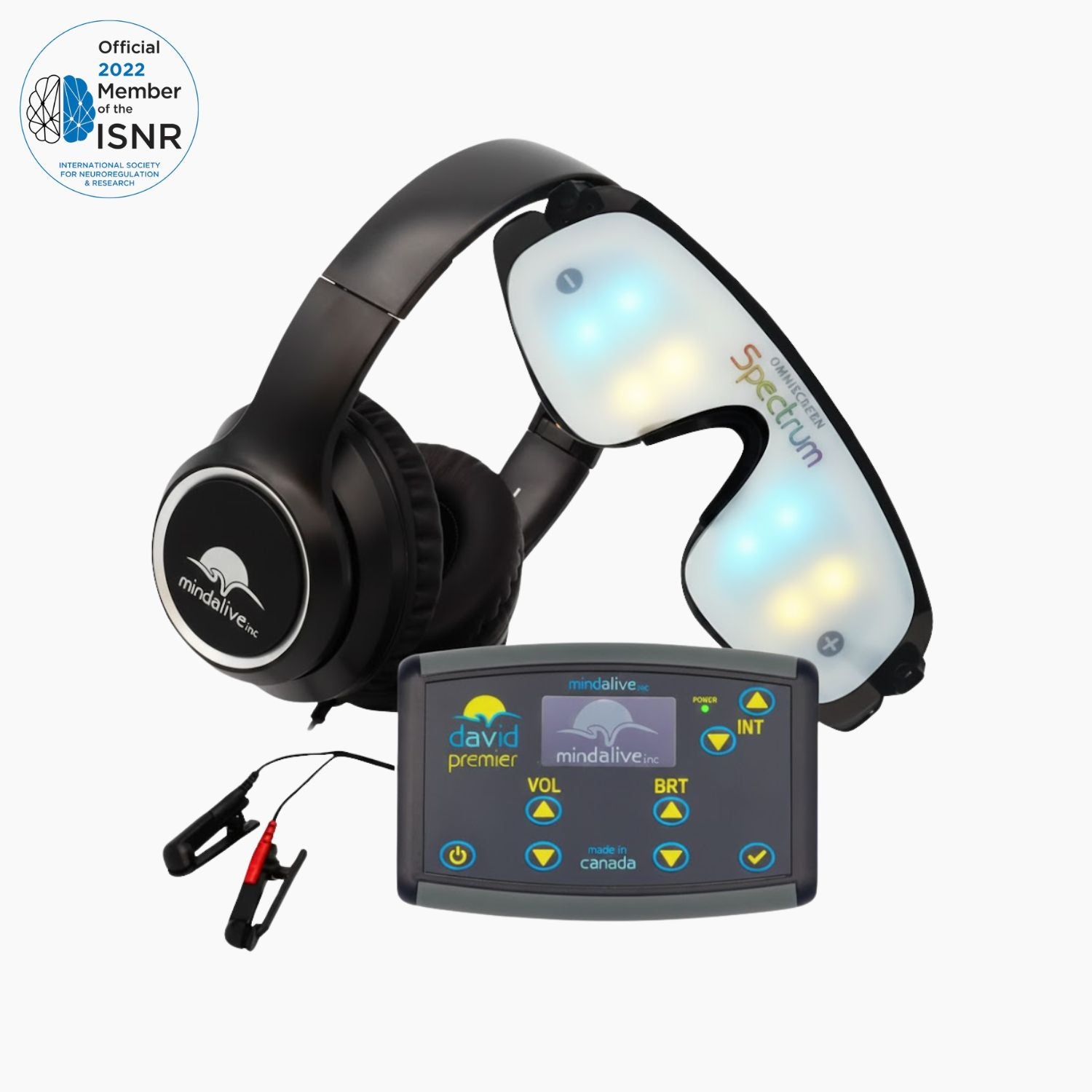
In today's fast-paced world, where distractions are abundant, technological advancements are aiding the practice of mindfulness. Mind Alive's DAVID Delight and DAVID Delight Plus are examples of devices that utilize brainwave entrainment to facilitate deeper meditation and relaxation. These tools help synchronize brainwaves to ease mental states favorable for mindfulness.
Lighting Tools for Mindfulness
Light and color have profound effects on the human psyche, and incorporating these elements into mindfulness practice offers another layer of engagement. The Spectrum Eyeset, Spectrum Viewhole Eyeset, and Multicolor Eyeset are designed to enhance visualization and sensory experience during meditation sessions. By stimulating the visual cortex, these devices can heighten mindfulness practice, making it more effective and immersive.
Conclusion
Mindfulness, with its ancient roots and modern adaptations, continues to be a powerful tool for enhancing mental clarity and emotional stability. From personal well-being to professional productivity, the applications of mindfulness are diverse and far-reaching. As technology continues to evolve, products like those offered by Mind Alive are making mindfulness practices more accessible and effective for people from all walks of life.
For more information on mindfulness and related tools, visit Mind Alive.