

Improving Sleep Quality Through Innovative Mindfulness Approaches
Mind AliveIn today's fast-paced world, quality sleep often feels like an elusive goal. The constant bombardment of information, endless to-do lists, and a myriad of stressors can dramatically interfere with our sleep patterns. However, as challenging as it may seem, enhancing the quality of our sleep is not only possible but approachable through innovative mindfulness practices. This blog post will delve into the benefits of these approaches and introduce tools that aid in achieving restful and restorative slumber.
Understanding the Importance of Sleep
Before exploring mindfulness techniques and tools, it's critical to understand why sleep is essential. Quality sleep is not merely about feeling rested; it's a vital component of overall health. It bolsters cognitive function, mood regulation, and physical health. Chronic sleep deprivation can lead to severe health issues including obesity, diabetes, cardiovascular diseases, and weakened immune response. Effective sleep care translates into better mental, emotional, and physical well-being.
The Role of Mindfulness in Enhancing Sleep Quality
Mindfulness has emerged as a potent antidote to modern life's clamorous distractions. By fostering a state of awareness and presence, mindfulness enables individuals to break free from habitual, stress-inducing thought patterns. Let's explore some innovative mindfulness approaches that promote better sleep quality.
1. Mindful Breathing
Breathing is an essential part of life, yet it's often taken for granted. Mindful breathing entails paying close attention to your breath, noticing its natural rhythm and flow. This simple yet profound practice can significantly reduce stress and promote relaxation. By incorporating mindful breathing techniques into your nightly routine, you can facilitate a smoother transition into sleep.
2. Body Scan Meditation
The body scan meditation invites you to focus attention sequentially on different parts of your body. By doing so, you increase body awareness and dissolve tension, which is often a barrier to sleep. This practice serves as a bridge between the day's activities and the restful state of sleep.
3. Mindful Imagery
Guided imagery and visualization exercises allow you to focus on calming and peaceful images, steering the mind away from stress and anxiety. Through visualization, you can cultivate an inner sanctuary that encourages relaxation and prepares your body and mind for sleep.
Innovative Tools to Enhance Mindful Sleep
In addition to the techniques mentioned, there are numerous innovative products that can augment mindfulness practices and enhance sleep quality. MindAlive offers a collection of products designed to support these efforts effectively.
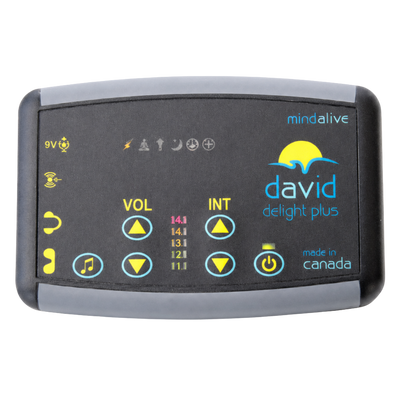
DAVID Delight

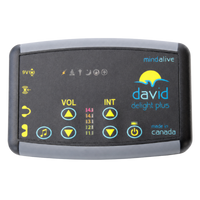
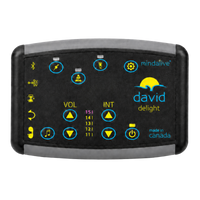
The DAVID Delight is a device that uses Audio-Visual Entrainment (AVE) to guide your brain into a state conducive to sleep. By synchronizing brainwaves with gentle audio and visual stimuli, it helps users achieve relaxation and enter a sleep-ready state more easily.
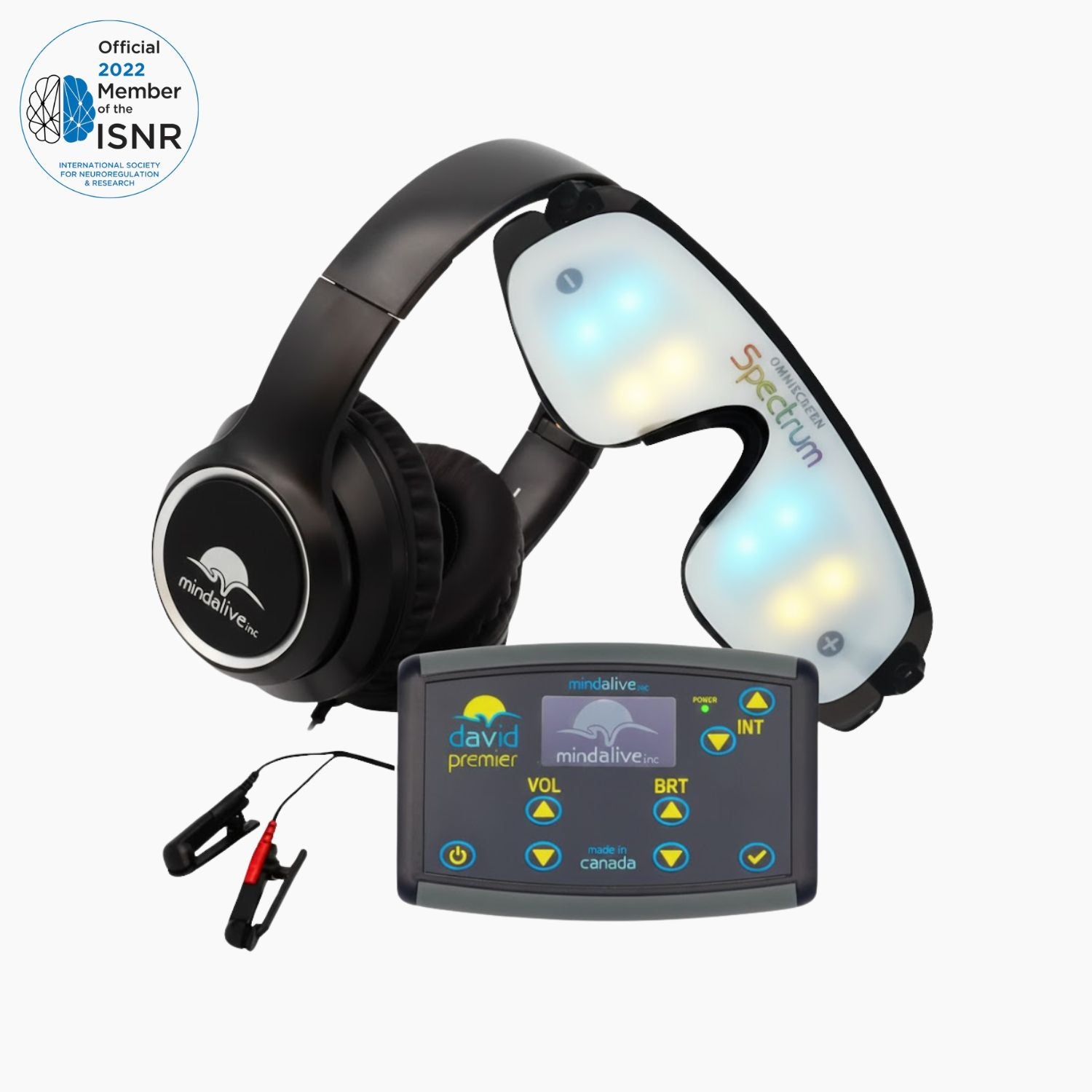
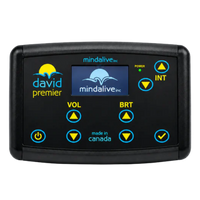
DAVID Premier

Another excellent option is the DAVID Premier. This device provides a range of sessions specially designed to promote relaxation and alleviate sleep-related issues. It's an ideal tool for those looking to incorporate AVE into their mindfulness routines, reinforcing the mind's ability to relax before bed.
Spectrum Viewhole Eyeset and Spectrum Eyeset

For enhancing the visual experience, you might consider the Spectrum Viewhole Eyeset and the Spectrum Eyeset. These products can be used alongside devices such as the DAVID Delight to intensify the visual stimuli and provide a tailored visual experience that complements your preferred mindfulness practices.
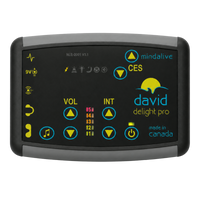
DAVID Delight Pro

The DAVID Delight Pro takes sleep enhancement to another level by integrating more comprehensive AVE sessions that also address mood and anxiety disorders. It's a multifaceted tool that bridges the gap between traditional mindfulness approaches and modern technology.
Integrating Mindful Practices into Daily Life
Implementing these mindfulness tools and techniques into your daily routine can lead to profound improvements in sleep quality. Here are some strategies to make this integration successful:
- Create a Consistent Routine: Establish a nightly routine that includes mindfulness practices. Consistency helps condition your body to recognize these cues as signals for sleep preparation.
- Design a Sleep-Friendly Environment: Ensure your sleeping environment is conducive to relaxation. Explore using mindfulness tools to create a peaceful ambiance.
- Limit Screen Time: Reduce exposure to screens before bed. If you use devices like DAVID, remember to engage in sessions at least an hour before your intended sleep time for optimal results.
- Be Patient and Mindful of Progress: Achieving improvements in sleep quality takes time. Be kind to yourself as you explore various approaches and tools.
Conclusion
Innovative mindfulness approaches offer promising avenues for improving sleep quality. By embracing the principles of mindfulness and leveraging the power of technology through products like those offered by MindAlive, individuals can find ways to overcome sleep challenges and achieve restorative rest.
Sleep is a foundational element of our well-being, and through these practices and tools, a path to enhanced sleep quality becomes a realistic goal. By prioritizing mindful sleep practices, we not only enrich our nights but rejuvenate our days.