

Is Brain Mapping Covered By Insurance
Yrian BrugmanWritten by MindAlive – 35 years of brainwave entrainment, 5× awarded for innovation in neurotechnology.
Is Brain Mapping Covered by Insurance? (Full Guide)
Brain mapping — often referred to as qEEG (quantitative electroencephalography) — is becoming a widely used tool in psychology, neurology, concussion care, ADHD assessment, and neurofeedback treatment planning. But one question keeps coming up: Is brain mapping covered by insurance?
The answer: **sometimes**, but it depends on diagnosis, provider credentials, CPT coding, and the insurer’s policy. This guide explains everything you need to know about coverage, reimbursement, and how to increase your chances of approval.
What Is Brain Mapping?
Brain mapping (qEEG) measures electrical activity across the scalp using EEG sensors. This data is analyzed to identify:
- overactive or underactive regions
- patterns associated with anxiety, ADHD, trauma, or sleep disorders
- concussion-related irregularities
- functional connectivity between brain regions
Clinicians often use qEEG to build individualized neurofeedback protocols or to guide psychological treatment plans.
For more on brainwave patterns, see: Human Brainwaves by Age.
Does Insurance Cover Brain Mapping?
Insurance *can* cover brain mapping in specific situations — usually when there’s a clear medical reason. Coverage typically depends on:
- a documented clinical diagnosis
- a licensed provider (psychologist, neurologist, psychiatrist)
- the CPT code used
- the insurer’s wording around “neurodiagnostic testing”
Coverage is strongest for:
- ADHD evaluations
- anxiety and mood disorders
- PTSD
- concussion & TBI
- sleep disorders
- seizure-related evaluations
Common CPT Codes Used for Brain Mapping
Brain mapping is not typically billed as “qEEG” directly. Instead, clinicians use established neurodiagnostic codes.
| CPT Code | Description | Used For |
|---|---|---|
| 95816 / 95819 | Routine EEG recording | General brainwave evaluation |
| 95957 | EEG-based digital analysis (qEEG) | Quantitative brain mapping |
| 96132 / 96133 | Neuropsychological evaluation | Pre-treatment assessment |
| 90791 | Psychological diagnostic evaluation | Mental health–related qEEG use |
The most successful reimbursement cases involve **95957** bundled with a clinical evaluation (96132/96133).
When Insurance Usually Covers Brain Mapping
Coverage is most likely when brain mapping is used as part of a **medical assessment**, not for wellness.
Commonly Covered Use Cases:
- Traumatic brain injury or concussion
- ADHD evaluation
- Neurological symptoms (brain fog, dizziness, seizures)
- Anxiety or depressive disorders with functional symptoms
- Sleep disorders
- PTSD and trauma-linked dysregulation
When Insurance Does NOT Cover Brain Mapping
- Peak performance or cognitive enhancement
- General wellness or curiosity-based mapping
- Mapping done by uncertified or non-licensed providers
- At-home qEEG or consumer devices
- Neurofeedback-only clinics without licensed clinicians
How to Get Brain Mapping Approved
Most successful coverage cases follow these steps:
1. Get a Clinical Diagnosis First
Common ICD-10 codes that support approval include:
- F90.0 – ADHD
- F41.1 – Generalized Anxiety Disorder
- F33.x – Major Depression
- F43.10 – PTSD
- S06.0X – Concussion
- G47.00 – Sleep Disorder
2. Use a Licensed Provider
Insurance almost always requires a:
- psychologist
- psychiatrist
- neurologist
- physician
3. Request Pre-Authorization
Have your provider submit:
- your diagnosis
- medical justification
- expected outcomes
- CPT codes used
4. Submit a Superbill if Out-of-Network
If your clinician is not in-network, you can often receive **30–80% reimbursement** afterward by submitting superbills.
What About Neurofeedback Coverage?
Brain mapping is often used to design neurofeedback treatment plans. To learn how to get neurofeedback covered by insurance, see: How to Get Neurofeedback Covered by Insurance.
Affordable Alternatives
If your insurance denies coverage, consider lower-cost options such as:
- University clinical programs
- Sliding-scale psychological clinics
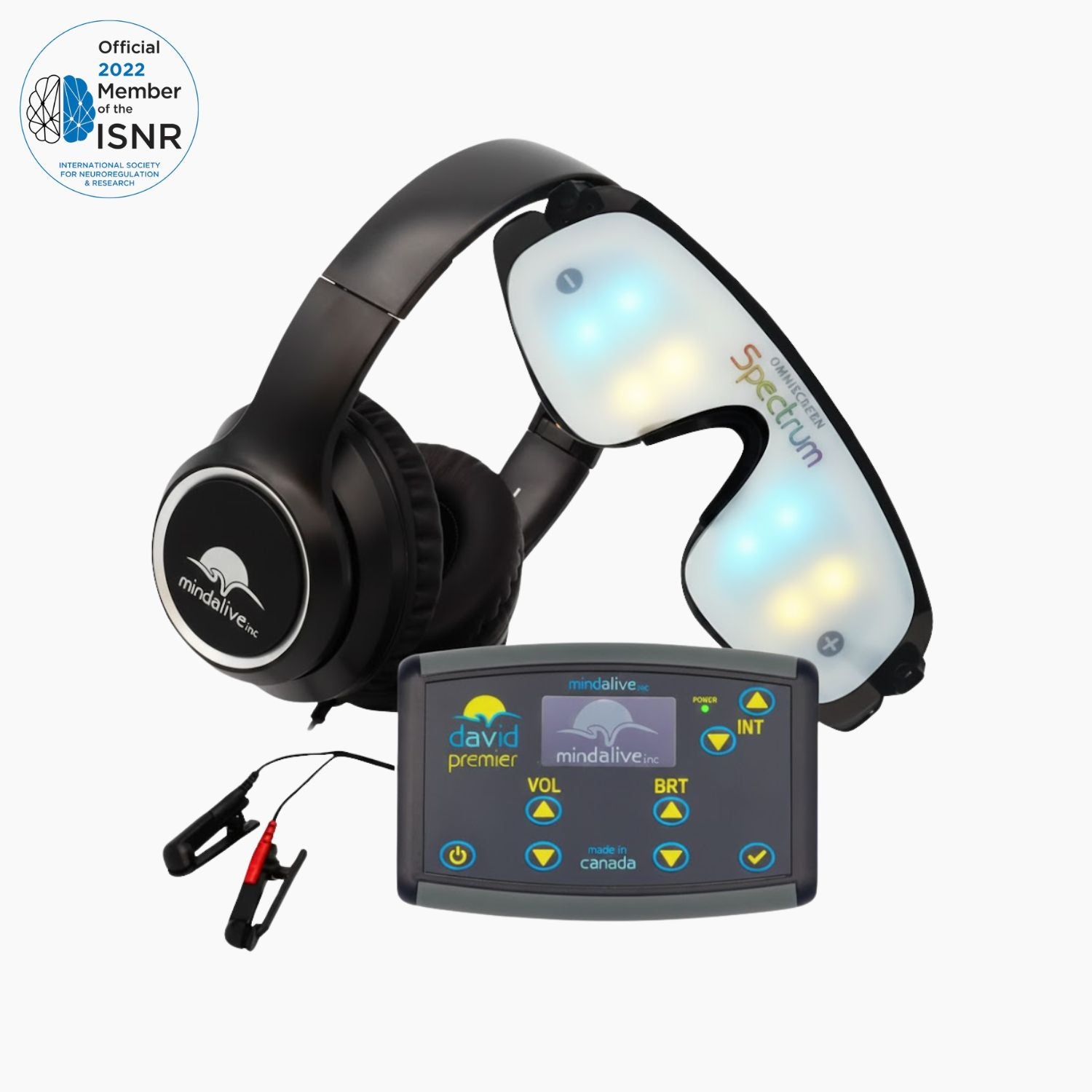
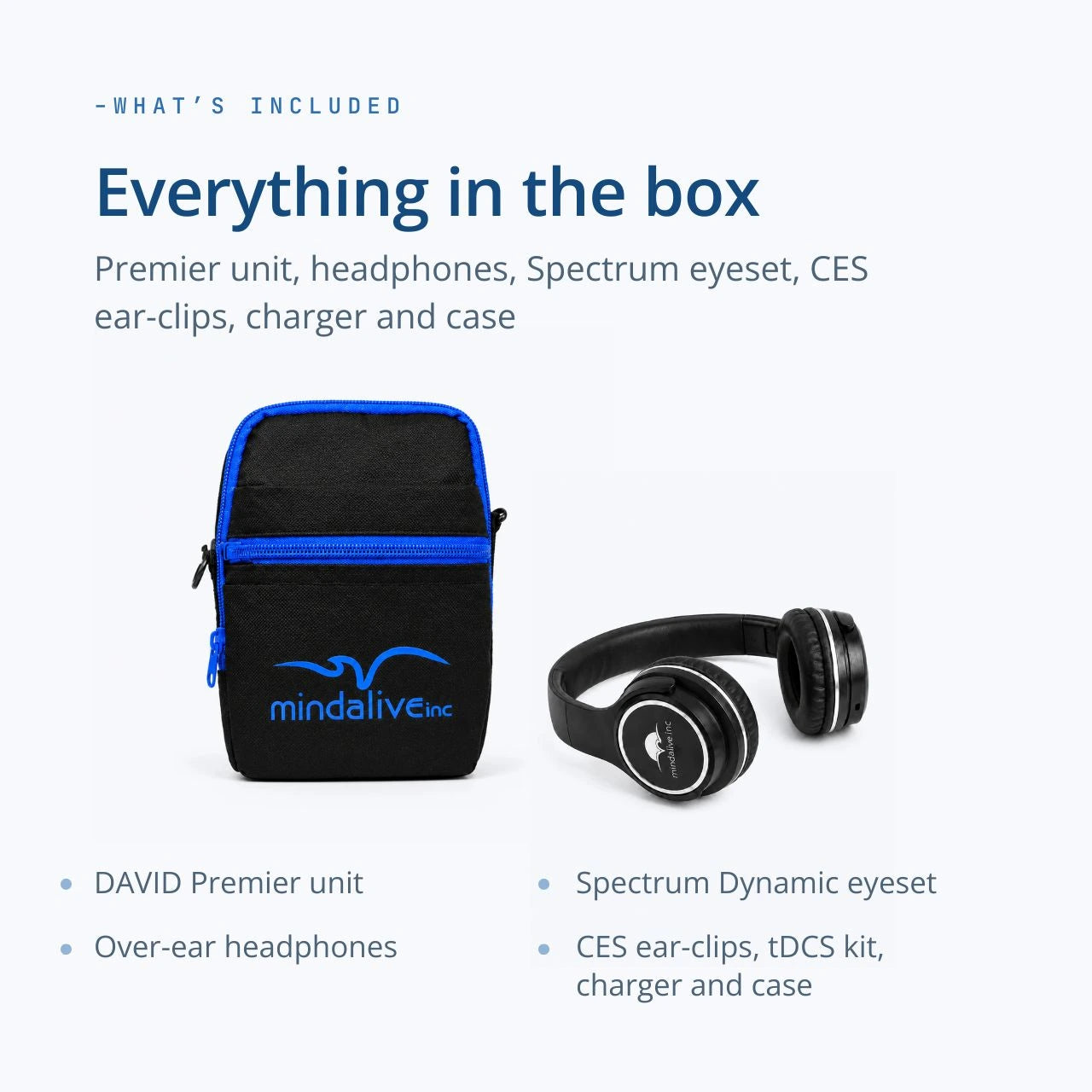
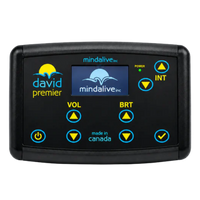
- At-home entrainment systems like the DAVID Premier
- HRV biofeedback combined with meditation
Want a Structured, At-Home Brain Optimization System?
If you want support for focus, mood, sleep, and emotional regulation without relying on insurance, explore the DAVID Premier below.
Explore DAVID Premier