

MindAlive & ADHD/ADD: The Complete Guide to Audio-Visual Entrainment (AVE)
Mind AliveADHD News · Alternative Therapies
For decades, ADHD and ADD treatments have centered around stimulant medications and behavioral therapy. But with growing concerns about side effects and accessibility, more families and adults are searching for safe, non-invasive tools. MindAlive’s Audio-Visual Entrainment (AVE) devices are now emerging as one of the most intriguing alternatives.
ADHD in Context
ADHD (Attention-Deficit/Hyperactivity Disorder) affects an estimated 5–10% of children and 2–5% of adults worldwide. It is characterized by challenges in attention, impulse control, and self-regulation. While stimulant medications such as methylphenidate and amphetamines remain the gold standard, they are not suitable for everyone. Some patients experience side effects like insomnia, appetite loss, or anxiety. Others prefer to explore drug-free approaches alongside traditional care.
Brain Waves and ADHD
The human brain operates through electrical rhythms, known as brain waves. Research shows that many individuals with ADHD exhibit:
- Excess theta waves — slow rhythms linked to daydreaming and mental drifting.
- Reduced beta waves — faster rhythms needed for sustained attention and problem solving.
This imbalance, sometimes described as an “under-aroused frontal lobe,” may explain the core symptoms of inattention and impulsivity.
What Is Audio-Visual Entrainment?
AVE uses rhythmic flashing lights and pulsing sounds delivered through specialized glasses and headphones. The brain naturally tends to synchronize with external rhythms — a phenomenon called entrainment. By exposing the brain to specific frequencies, AVE encourages healthier patterns:
- Alpha rhythms for calm focus.
- Beta rhythms for concentration and problem-solving.
- Delta rhythms for deep sleep.
MindAlive: 35 Years of Innovation
Founded in Alberta, Canada, MindAlive has been a pioneer in non-invasive brain training since the late 1980s. Their DAVID systems (Digital Audio Visual Integration Devices) are used worldwide by psychologists, wellness coaches, and thousands of families. Unlike complex clinical neurofeedback programs, DAVID devices are portable, affordable, and user-friendly.
Scientific Evidence
Several studies, including those led by MindAlive’s founder Dave Siever, have explored AVE for ADHD:
- Classroom study (34 children): After 38 AVE sessions over 7 weeks, participants showed dramatic improvements in attention and behavior. Teachers and parents reported calmer children, and EEGs confirmed healthier alpha and beta activity.
- Follow-up reports: Some children reduced or even discontinued ADHD medication after consistent AVE use.
- Other clinical applications: Research also links AVE to improvements in anxiety, depression, and sleep regulation — conditions that often co-occur with ADHD.
How Does It Work in Practice?
A typical AVE session lasts 20–30 minutes. Programs are pre-set for goals like relaxation, sleep, or focus. Users often describe the experience as a “pleasant dissociation” — similar to meditation. Physiological changes may include:
- Increased release of serotonin and dopamine.
- Enhanced cerebral blood flow.
- Shift from slow theta activity to more alpha/beta engagement.
Real-World Experiences
Thousands of testimonials support AVE’s role in ADHD management:
- Parents: report calmer evenings, smoother homework routines, and fewer emotional meltdowns.
- Adults with ADHD: describe better task follow-through, reduced restlessness, and deeper sleep.
- Clinicians: integrate AVE with CBT or coaching, highlighting improved compliance and faster progress.
Comparison With Other Treatments
How does AVE compare?
- Medication: fast and effective for many, but with side effects and dependency risks.
- Neurofeedback: effective but costly (thousands of dollars) and requires clinic visits.
- AVE: affordable, safe, portable, and can be used at home without side effects.
Safety and Accessibility
AVE has no known side effects. The only contraindication is for individuals with photosensitive epilepsy. Devices are priced between $295 and $575, making them a fraction of the cost of long-term neurofeedback therapy.
Discover the DAVID Device
Find out which MindAlive system best fits your needs for focus, calm, and attention support.
Find Your DAVID DeviceChoosing the Right Device
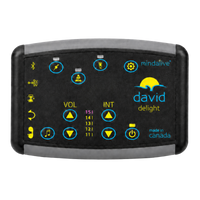
- DAVID Delight: Entry-level, with core programs for relaxation, sleep, and focus.
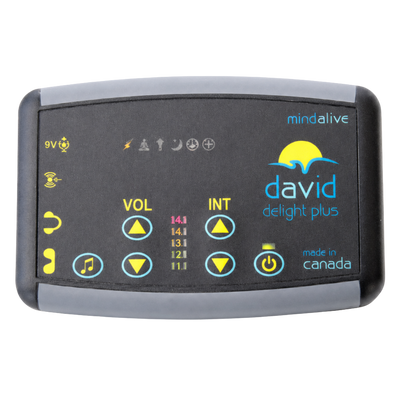
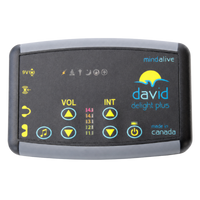
- DAVID Delight Plus: Adds more session variety for greater flexibility.
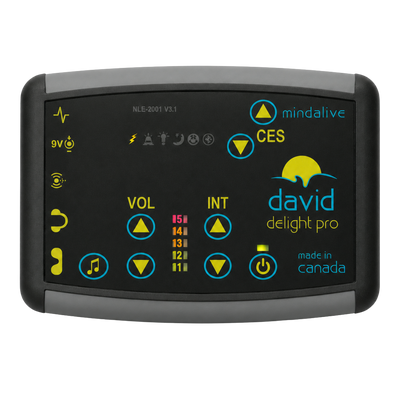
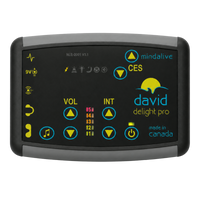
- DAVID Delight Pro: Combines AVE with CES (cranio-electro stimulation) for enhanced results.
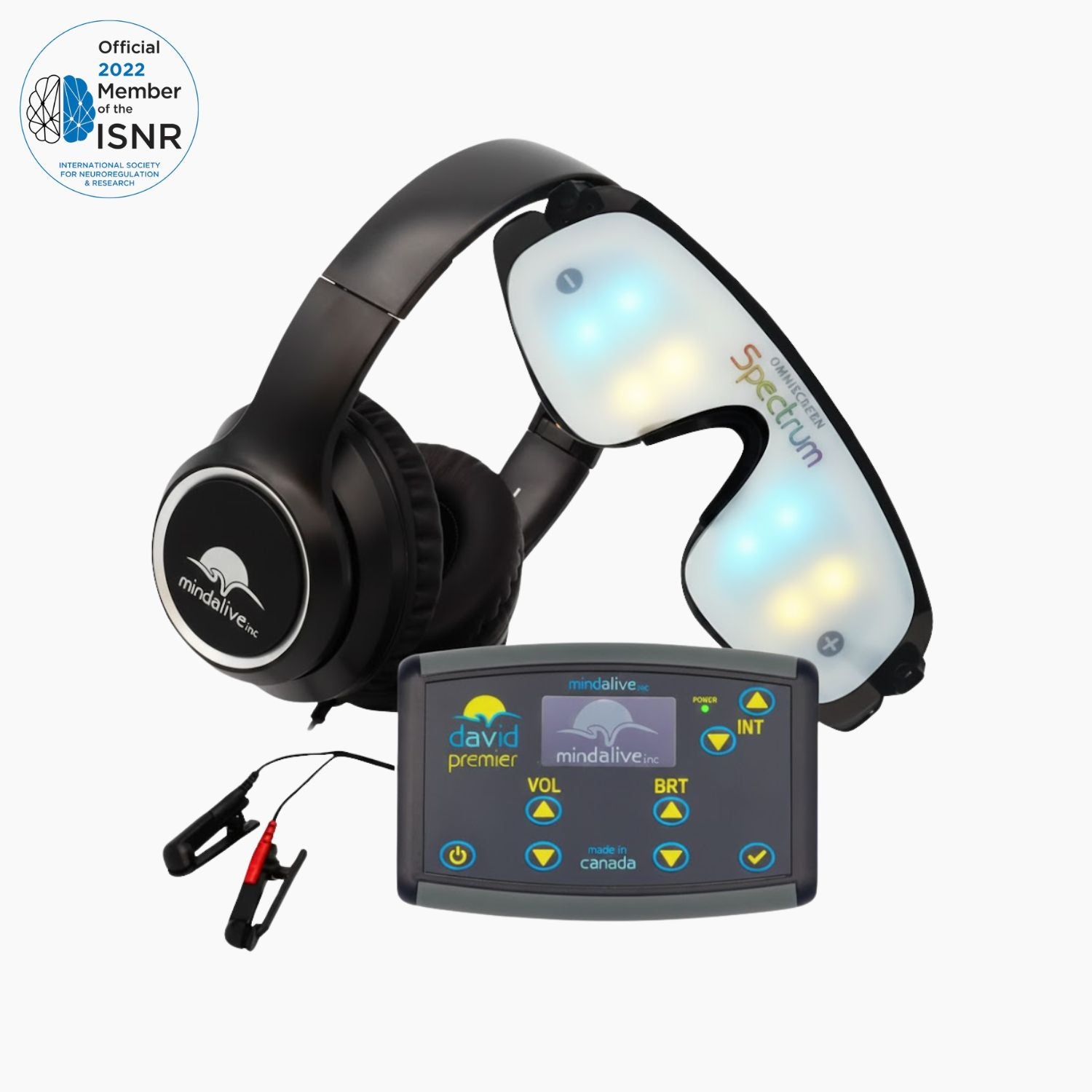
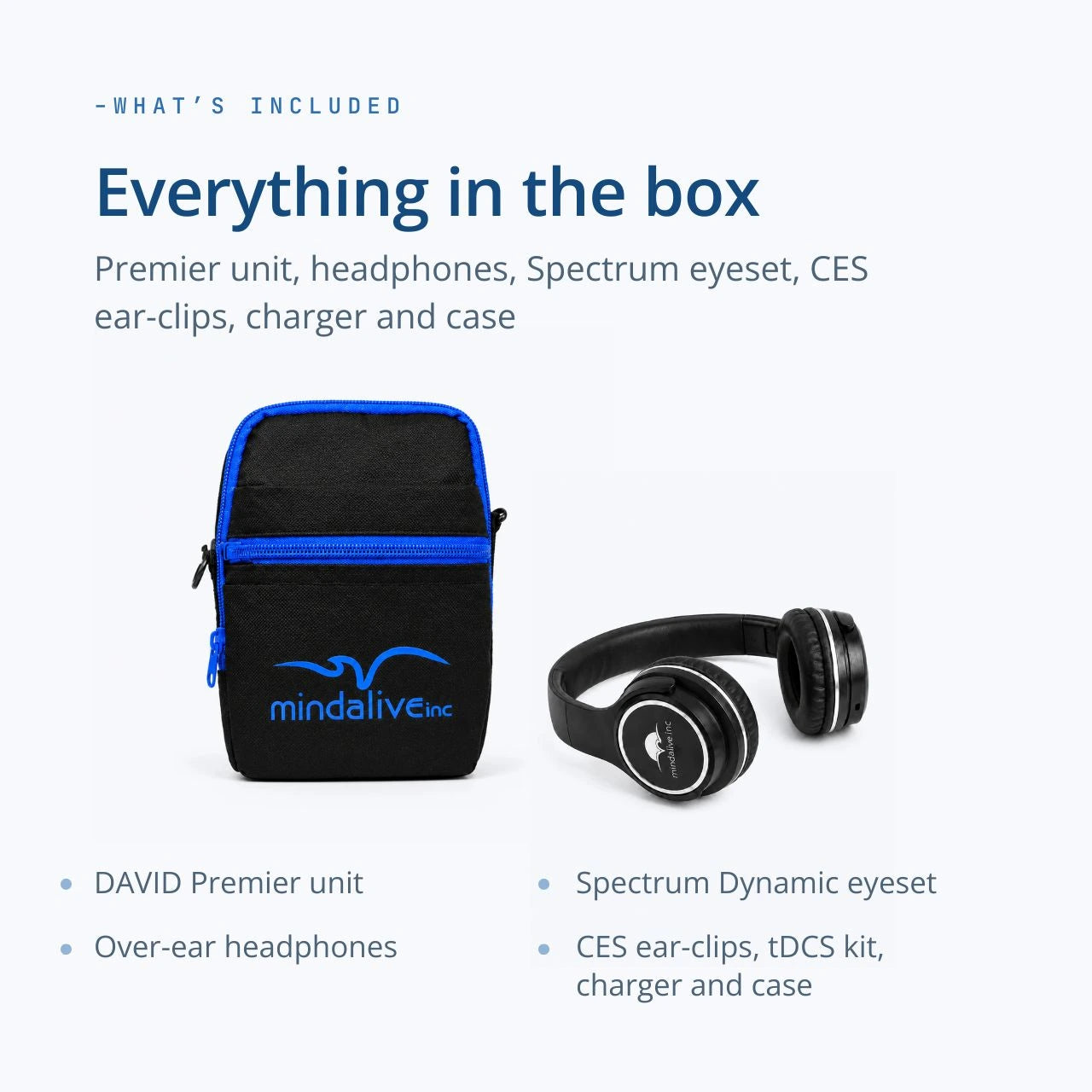
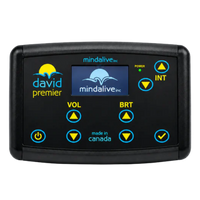
- DAVID Premier: Advanced model with multi-color light options and full customization.
Compare Models
Not sure which DAVID device is right for you? See our full comparison chart for details.
View ComparisonFAQ
How often should I use AVE for ADHD?
Most users start with 3–5 sessions per week, each lasting 20–30 minutes.
Is AVE safe for children?
Yes, with adult supervision. It is drug-free and non-invasive. Always consult a doctor if your child has epilepsy.
Can AVE replace medication?
No. AVE is a complementary approach. Never adjust or stop medication without consulting a healthcare provider.
Final Thoughts
For families and adults exploring ADHD support, MindAlive’s AVE devices offer an exciting option: safe, affordable, and based on decades of research. While not a cure, AVE may help reduce symptoms, improve focus, and support overall brain health. With over 10,000 users worldwide and 35 years of innovation, MindAlive continues to shape the future of non-pharmaceutical brain care.