

Which DAVID Eyeset Should You Buy? A Buyer's Guide
Yrian BrugmanWhich DAVID eyeset you buy matters more than most first-time buyers expect. The eyeset is the part of your audio-visual entrainment session you actually look at, so its light pattern, color range and fit shape how a session feels from the first minute, not just which device sits behind it. Mind Alive builds four eyeset styles for the DAVID line: white, viewhole, multicolor and spectrum, and each one suits a different kind of session or a different kind of user.
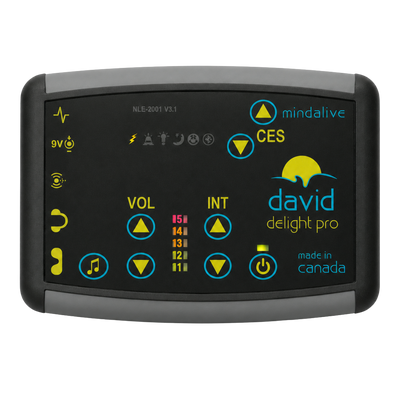
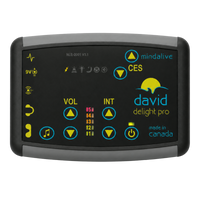
Most people start this decision from the device itself. The DAVID Delight Pro is the most chosen model in the range and the one most eyeset questions come back to, since it pairs light and sound sessions with CES ear-clips in one unit. Once you know which device you are buying, the eyeset choice becomes a question of comfort and intended use rather than specs.
See the DAVID Delight ProKey Takeaways
- The white eyeset gives the gentlest, most diffuse light and is the usual starting point for anyone new to audio-visual entrainment.
- The viewhole eyeset leaves a small gap so your eyes are not fully enclosed, which helps people who find closed-eye light sessions confining.
- The multicolor eyeset opens up the full color range sessions are written for, which matters most for mood and seasonal protocols.
- The spectrum eyeset gives the most refined color control and suits people who already run a structured, repeatable session plan.
- Many buyers do well starting with one eyeset and adding a second later, once they know what a session should actually feel like for them.
What the Four DAVID Eyesets Actually Change
Every DAVID eyeset does the same basic job: it delivers pulses of light to your closed eyes, timed to match the audio track playing through your headphones. What changes between the four styles is how that light is diffused across your field of vision and how much of the color range a session is written to use. None of the eyesets change what a session is designed to do, in the sense studied by researchers such as Huang and Charyton (2008), whose meta-analysis looked at audio-visual entrainment across a range of outcomes. They change how comfortable and how visually rich the experience is for you personally.
- White eyeset: diffuse white light only, the simplest and gentlest option.
- ViewHole eyeset: a small central opening that lets in some ambient light and a hint of your surroundings.
- Multicolor eyeset: full color LEDs, used for sessions written to cycle through different hues.
- Spectrum eyeset: the most refined color control of the four, built for users who already know their preferred protocols.
White Eyeset: The Classic Starting Point
If you have never done a light and sound session before, the white eyeset is the safest place to begin. It delivers a soft, diffuse glow rather than sharp color transitions, so there is less visual information for your brain to process while you are still getting used to the sensation of closed-eye light pulses. Many practitioners recommend it for a first week of sessions, simply so you can judge how you respond to audio-visual entrainment before adding more visual complexity.
Who it suits
People trying AVE for the first time, anyone who finds bright or colorful light overstimulating, and users who mainly want calm, sleep or relaxation sessions rather than energizing ones.
ViewHole Eyeset: For Light Sensitivity and Open-Eye Comfort
Some people find any fully enclosed eyeset uncomfortable, regardless of how gentle the light pattern is. The viewhole eyeset addresses this directly with a small opening at the center of each lens, which lets in a little ambient light and a soft sense of your surroundings. It does not stop the entrainment effect, but it does remove the feeling of total visual enclosure that some users describe as claustrophobic.
This is also a reasonable option for anyone who wants to keep a loose sense of time or place during a session, such as someone using DAVID sessions during a work break rather than in a dedicated quiet room.
Multicolor Eyeset: Built for Session Variety
A number of DAVID sessions, particularly those grouped under mood and seasonal categories, are written to use a broader color range than plain white light provides. The multicolor eyeset is what lets those sessions run as intended. If your main interest is variety across different times of day, such as an energizing morning session followed by a calmer evening one, this eyeset lets you feel the difference between them more clearly than the white eyeset does.
Why it matters: the eyeset is the only part of a DAVID session you cannot substitute later without buying a different one, so matching it to the sessions you expect to use most often saves a second purchase down the line.
Seasonal light-and-mood use is one area where some users look specifically for a fuller color range. If that is your main reason for buying, the multicolor eyeset is the more direct fit than the white or viewhole options.
Spectrum Eyeset: Precision for Established Routines
The spectrum eyeset sits above multicolor in terms of how precisely color and intensity can be controlled within a session. It is generally the choice for people who already have a few months of DAVID use behind them and have a clear sense of which sessions work for them. If you are buying your first device, there is rarely a reason to start here. If you are upgrading an existing routine, it is worth the step up.
A note on light sensitivity
Whichever eyeset you choose, DAVID devices are not for people with a history of photosensitive epilepsy or seizures, or anyone with an implanted electronic device. Consult a clinician before starting sessions if either applies to you or someone you are buying for.
Comparing the Four Eyesets at a Glance
| Eyeset | Light style | Best for | Typical buyer |
|---|---|---|---|
| White | Diffuse, white only | Calm, sleep and relaxation sessions | First-time AVE users |
| ViewHole | Diffuse with a central opening | Sessions where full enclosure feels uncomfortable | Light-sensitive or claustrophobia-prone users |
| Multicolor | Full color range | Mood and seasonal sessions | Users who want visual variety across sessions |
| Spectrum | Refined, precise color control | Established, repeatable routines | Experienced DAVID users upgrading their setup |
How to Decide: A Short Checklist
If you are still unsure which eyeset to order with your device, work through these steps in order.
- Decide whether this is your first AVE device. If yes, default to the white eyeset unless you already know you dislike closed-eye light.
- Think about whether full visual enclosure bothers you. If it does, choose the viewhole eyeset regardless of your experience level.
- Consider what you mainly want sessions for. Mood, seasonal or energizing use points toward multicolor.
- If you already have months of DAVID experience and a set routine, consider the spectrum eyeset as an upgrade rather than a starting point.
- When in doubt, start with white or viewhole, since both are lower-cost ways to confirm you enjoy AVE before investing in a color-focused eyeset.
A practical note: you do not need to get this decision perfect. Mind Alive's 30-day money-back guarantee gives you room to try a session routine and return the device if it is not the right fit, eyeset included.
What This Means for Your First Order
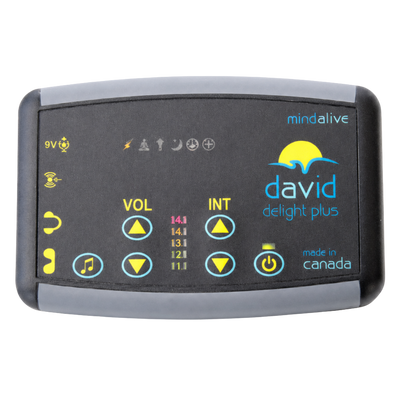
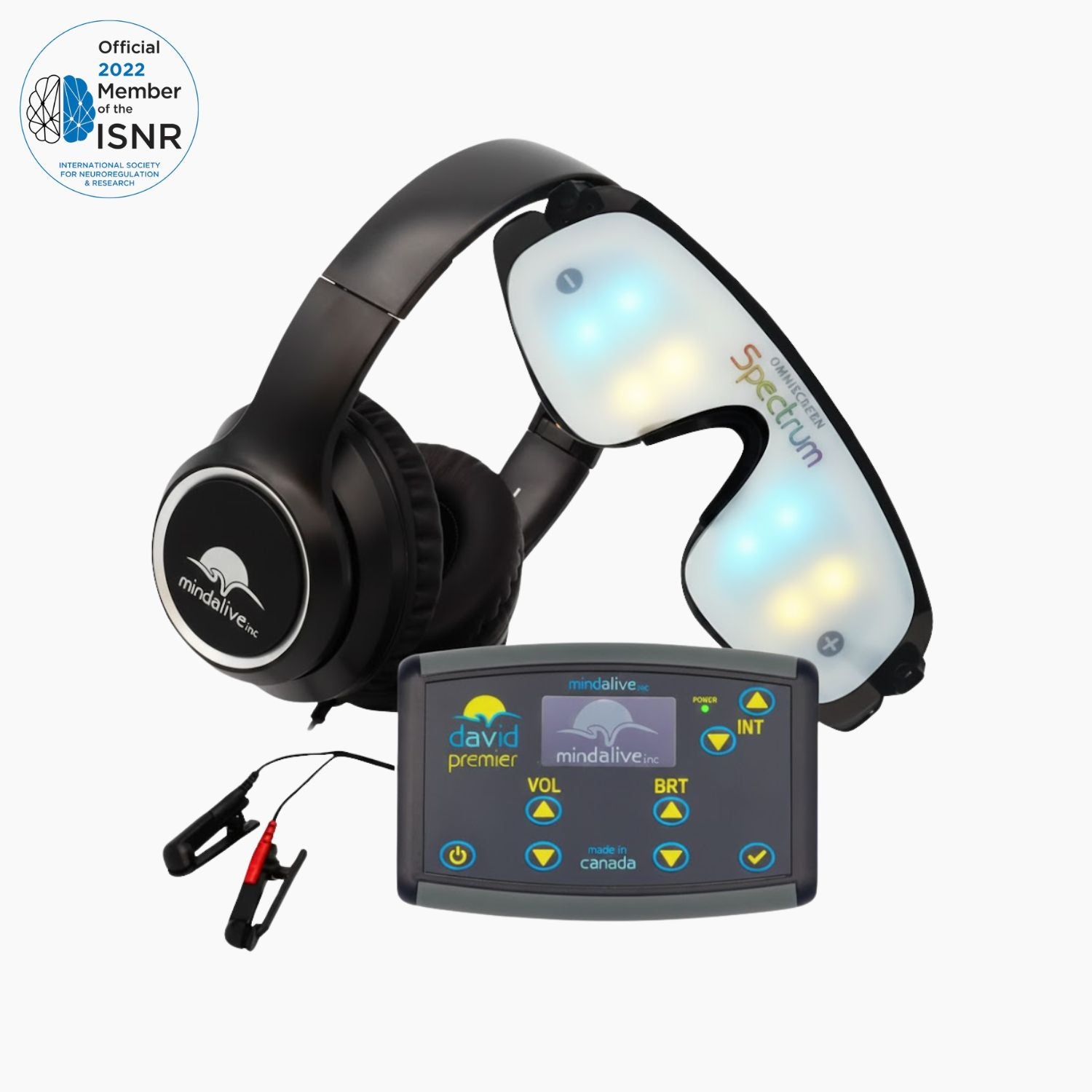
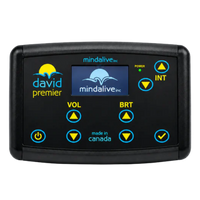
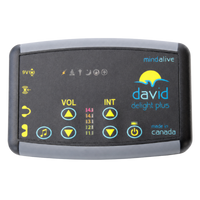
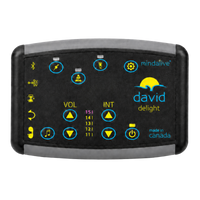
For most first-time buyers, the device decision matters more than the eyeset decision. The DAVID Delight Pro at $559.99 remains the most chosen option because it combines light and sound with CES in one unit and comes with 25 sessions plus 3 gamma sessions. If budget is the deciding factor, the DAVID Delight Plus at $394.99 covers the same session count without CES, and the DAVID Delight at $349.99 is the simplest entry point with 10 sessions. Practitioners who need a wider, programmable session library typically look at the DAVID Premier at $994.99.
Every order ships from Mind Alive in Canada by FedEx Express, arriving in 2 business days within the United States and 3 to 5 business days elsewhere. Shipping is free on US orders over $500 and free worldwide over $800; below those thresholds, shipping is $49.95 in the US, $74.95 in Europe and $99.95 elsewhere. Every device carries a 30-day money-back guarantee and a 1-year warranty, and customers outside Canada and the US are responsible for their own import duties, VAT and brokerage fees, collected by FedEx at delivery.
FAQ: Which DAVID Eyeset Should You Buy
Can I switch eyesets later if I bought the wrong one?
Eyesets are sold separately from the device, so you can add a second eyeset later without replacing your DAVID unit. Many long-term users end up owning more than one once they understand their preferences.
Does the eyeset change how strong the entrainment effect is?
Not in a way that has been studied as a meaningful difference. The eyeset changes the visual experience and your comfort with it, not the underlying session programming running through the device.
Is the multicolor eyeset only useful for seasonal mood sessions?
No. It suits any session written to use a broader color range, but seasonal and mood-focused sessions are where buyers notice the difference most clearly compared with white light alone.
Should practitioners default to the spectrum eyeset for clients?
Not automatically. New clients generally start with the white or viewhole eyeset so a practitioner can gauge their response before introducing more visual complexity. The spectrum eyeset is better suited to clients with an established protocol.
Is the viewhole eyeset less effective because it lets in outside light?
It is a different experience rather than a weaker one. The small opening is designed to ease the sense of enclosure, and many users find it just as usable for standard sessions as a fully closed eyeset.
Which eyeset ships with the DAVID Delight Pro by default?
This varies by current catalog configuration, so check the DAVID Delight Pro product page for what ships with your order before purchasing an additional eyeset separately.
Are DAVID eyesets safe for everyone?
DAVID devices are not for people with a history of photosensitive epilepsy or seizures, or anyone with an implanted electronic device. Consult a clinician first if either applies to you.