

Focus Routine for Adults with ADHD
Yrian BrugmanA focus routine for adults with ADHD works better when it is built around short, repeatable blocks tied to the shape of your day, rather than one long push of willpower in the morning. This guide walks through a simple block-based routine, where a brief audio-visual entrainment (AVE) session fits around sleep, movement and work, and what to look for if you are choosing a device to support it.
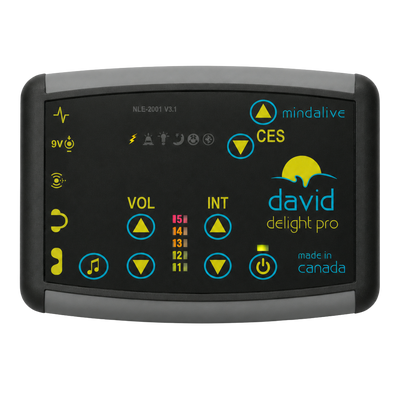
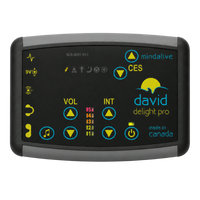
Many adults build this kind of routine around the DAVID Delight Pro, which pairs light and sound sessions with CES ear-clips in one unit, so the same device can cover an alert morning session and a calmer evening one.
See the DAVID Delight ProKey Takeaways
- A routine built around short, scheduled blocks tends to hold up better than a single long session that depends on motivation.
- Sessions used earlier in the day typically lean toward alpha and SMR ranges, with calmer theta and delta sessions reserved for the evening wind-down.
- Research on audio-visual entrainment and attention includes work with children with ADHD (Joyce and Siever, 2000), and a broader meta-analysis of AVE effects (Huang and Charyton, 2008); DAVID is not a medical device for treating ADHD, and sessions are used within a broader daily structure, not as a stand-alone fix.
- Device choice should match how often you plan to use it. A device with more preset sessions makes it easier to vary the routine across the week without repeating the same track.
- Consistency over three to four weeks tells you more about fit than any single session does.
Why mornings are often the hardest part
For many adults with ADHD, the first hour or two of the day is where a routine most often falls apart. Attention researchers have looked at audio-visual entrainment as one of several tools that may support self-regulation. Joyce and Siever (2000) studied AVE sessions in children with ADHD and reported changes in attention measures, and a wider meta-analysis by Huang and Charyton (2008) reviewed the range of effects reported across AVE studies more generally. Neither body of research supports calling AVE a treatment for ADHD, and the study population for the Joyce and Siever work was children, not adults, so the honest framing is that some adults use short sessions as one part of a broader morning structure, alongside sleep, light exposure and a consistent wake time.
That framing matters because it changes what you expect from a session. A 15 to 20 minute alpha or SMR-leaning session in the morning is not meant to replace sleep or medication management. It is meant to give you a calm, alert starting point before the first demanding task of the day.
Building a block-based daily routine
Instead of thinking about "a focus session" as one thing, it helps to map out where short blocks fit across a typical day. The table below is a starting structure that many adults adjust to their own schedule.
| Time block | Session focus | Typical length | What it supports |
|---|---|---|---|
| Morning, before the first task | Alpha or SMR-leaning session | 15 to 20 minutes | A calm, alert start before demanding work |
| Midday, before a focus block | Beta-leaning session | 20 to 25 minutes | Sustained attention for a planned work stretch |
| Early afternoon lull | Short alpha reset | 10 to 15 minutes | A break from task fatigue without a long nap |
| Evening wind-down | Theta or delta-leaning session | 20 to 30 minutes | A transition away from screens before sleep |
You do not need all four blocks every day. Most people start with the morning and evening blocks, since those tend to have the clearest effect on how the rest of the day feels, and add the midday or afternoon block once the habit is established.
Keep the schedule, not the perfect session
If a given day only allows for one block, pick the morning one. A consistent start time for the routine matters more than hitting every block every day. Adults who treat the routine as flexible, rather than all-or-nothing, tend to stick with it longer.
Where a session fits around other parts of your day
A focus routine does not stand on its own. It sits alongside sleep, medication timing if you take any, movement and meals. A simple way to place it:
- Keep your wake time consistent before you add a morning session, since an irregular wake time will undercut any session you add on top of it.
- If you take ADHD medication, talk to your prescribing clinician about timing rather than scheduling the session around a guess.
- Use the morning session before your first demanding task, not immediately after waking, so you are not trying to settle in while still half asleep.
- Place the midday or afternoon block before a task you know is difficult to start, not after you have already lost the afternoon to distraction.
- Close the day with the evening block at a fixed time, ideally away from screens, so it also signals the start of your wind-down.
On expectations: a session is a short input into a longer day. It works best as part of a structure you already have, not as a replacement for one.
Choosing a device for a daily routine
Because this routine involves using a device two or three times a day, the number of built-in sessions and the inclusion of CES matter more here than they would for occasional use. The table below compares the four DAVID devices on the points most relevant to a daily focus routine.
| Device | Price | Sessions | Best for a daily routine because |
|---|---|---|---|
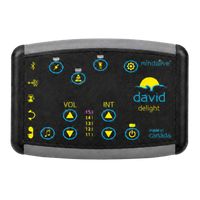
| DAVID Delight | $349.99 | 10 light and sound sessions | A lower-cost way to test whether a short daily session fits your schedule before committing to more variety |
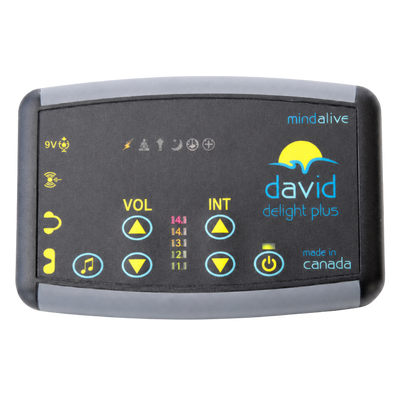
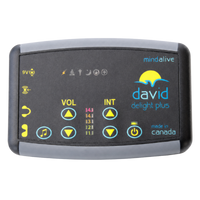
| DAVID Delight Plus | $394.99 | 25 light and sound sessions, plus 3 gamma | Enough session variety to cover morning and evening blocks without repeating the same track |
| DAVID Delight Pro | $559.99 | 25 sessions plus 3 gamma, plus CES ear-clips | Adds CES as a second option for the evening block, and is the device most adults building a full routine choose |
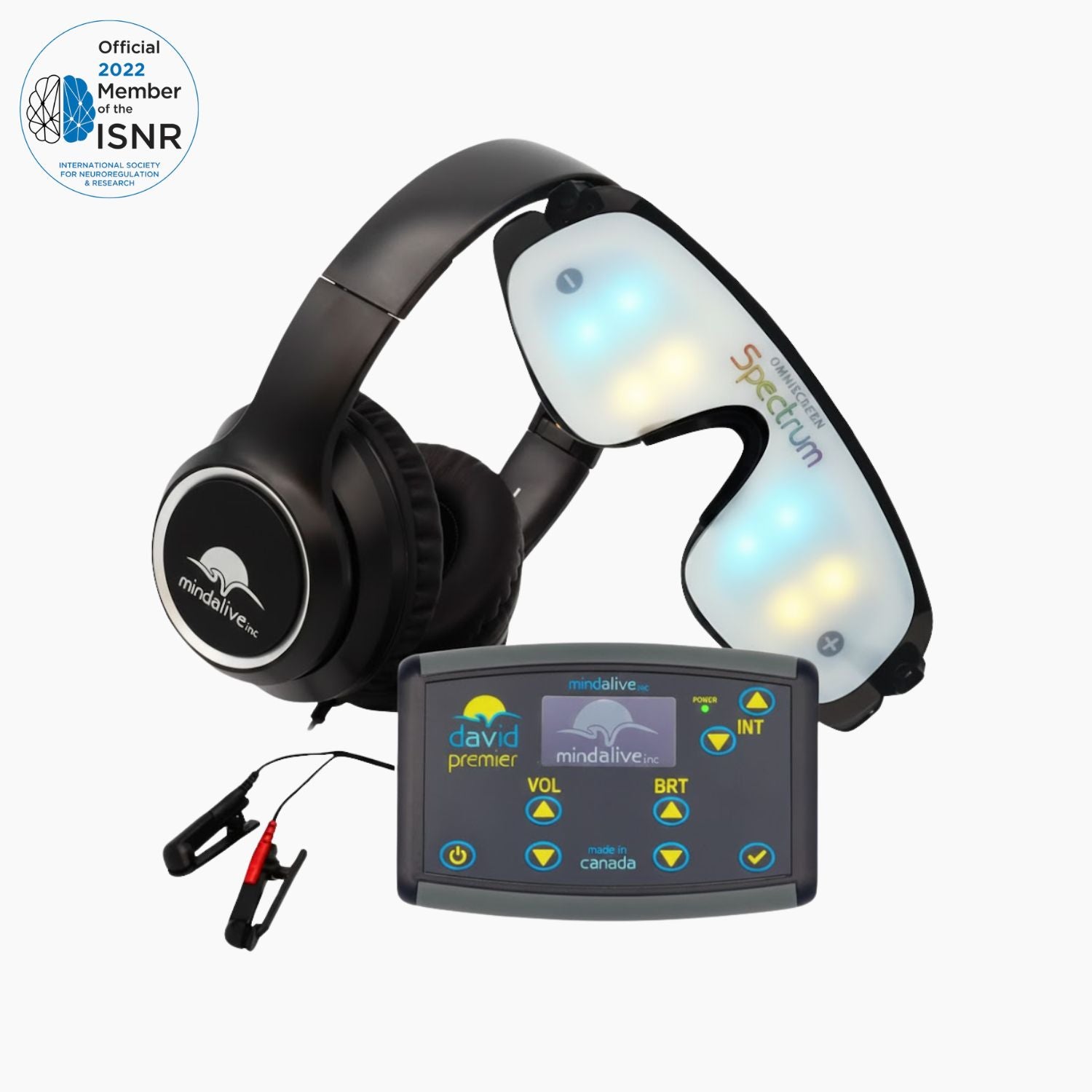
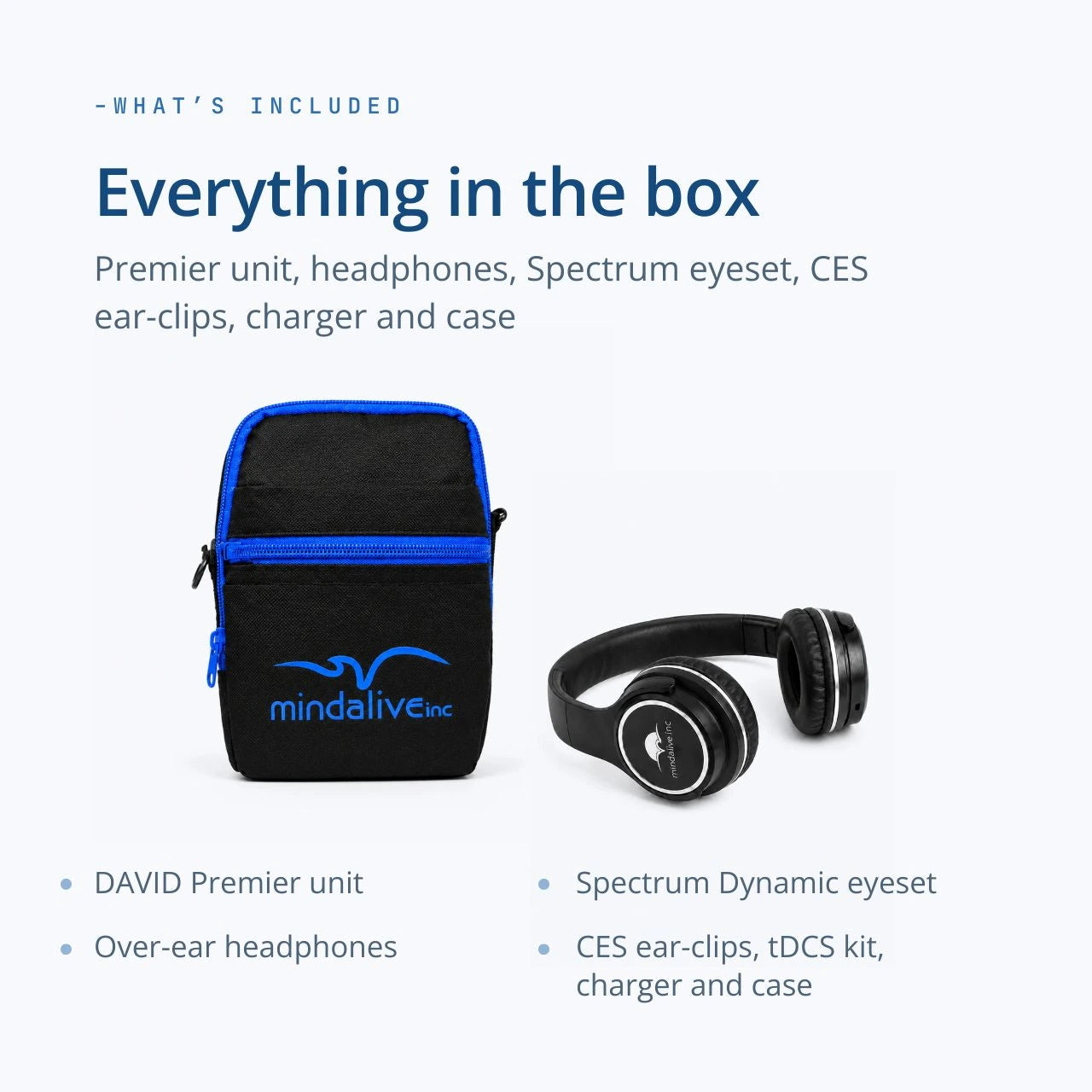
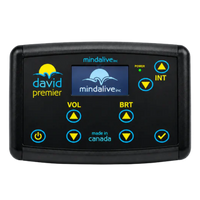
| DAVID Premier | $994.99 | 50+ programmable sessions, CES, optional tDCS | Practitioners or adults who want to program and save their own custom routine across many sessions |
For most adults assembling a morning-and-evening routine, the Delight Pro covers the range needed without stepping up to the Premier's practitioner-level programming. You can compare all four devices side by side on the devices comparison page, or take the short brainwave assessment quiz if you are not sure where to start.
Every order ships from Mind Alive in Canada by FedEx Express, with delivery in 2 business days within the United States and 3 to 5 business days elsewhere. Shipping is free in the US on orders over $500 and free worldwide over $800; below those thresholds, shipping is $49.95 in the US, $74.95 in Europe and $99.95 elsewhere. All devices come with a 30-day money-back guarantee and a 1-year warranty.
Common pitfalls when building the routine
The most common reason a routine stalls is trying to run all four blocks from day one. Start with one or two, let them become automatic, then add the rest. The second common pitfall is skipping the sleep and wake-time foundation and expecting the morning session alone to compensate for an irregular night. A session added on top of poor sleep will not do the work that consistent sleep timing does.
A third pitfall is switching session types too often out of boredom. If a particular alpha or SMR session is working for your morning block, keep it for a few weeks before testing another one. Changing variables too quickly makes it hard to tell what is actually helping.
Tracking progress without turning it into another task
You do not need a detailed log to know whether the routine is working. A short weekly check, three questions at most, is usually enough: did mornings feel calmer and more workable, did the midday block help you start the task you were avoiding, and did the evening block make it easier to wind down. If the answer to all three is generally yes after three to four weeks, keep the routine as is. If one block is not pulling its weight, drop it rather than adding another in its place.
If you are working with a therapist or coach, bringing this kind of simple weekly note to a session gives them something concrete to work with, rather than a general impression of "better" or "worse."
FAQ: Focus Routine for Adults with ADHD
Is the DAVID Delight Pro a treatment for ADHD?
No. DAVID devices are not medical devices for treating ADHD or any other condition. They are studied for relaxation, attention and related measures within broader protocols, and many adults use short sessions as one part of a daily routine alongside other supports.
How long before I notice a difference?
Most adults who stick with a consistent morning and evening block report noticing a difference in how the day feels within two to four weeks. A single session is unlikely to tell you much either way.
Can I use this routine alongside ADHD medication?
Many people do, but timing and any interaction questions should go through your prescribing clinician, not a general guide. This routine is a structural addition, not a substitute for medical guidance.
What session length should I start with?
Fifteen to twenty minutes for a morning session is a reasonable starting point. Shorter sessions are easier to keep up daily, and you can lengthen them once the habit is established.
Does the routine work without the CES ear-clips?
Yes. The light and sound sessions on their own, available on the Delight and Delight Plus as well, are the core of this routine. CES on the Delight Pro gives you a second relaxation option for the evening block, but it is not required to follow the morning and midday structure.
What if mornings are impossible to fit a session into?
Move the first block to right before your first demanding task, whenever that happens to be, rather than forcing it into a fixed early morning slot that does not match your schedule.
Can this routine be adapted for teenagers?
The research base most directly relevant to younger users, including Joyce and Siever (2000), looked at children, so any use with teenagers or children should involve a parent, clinician or practitioner shaping the routine, not a self-directed adult guide like this one.
Not for people with a history of photosensitive epilepsy or seizures, or an implanted electronic device; consult a clinician before starting any AVE or CES routine.