

Informed Consent and Contraindications for AVE and CES
Yrian BrugmanInformed consent and contraindications for AVE and CES are the two things a practice cannot skip, no matter how familiar a session plan has become. This guide walks you through what a consent conversation needs to cover, which conditions call for caution or exclusion, and how to document both so your intake process stays consistent from client to client.
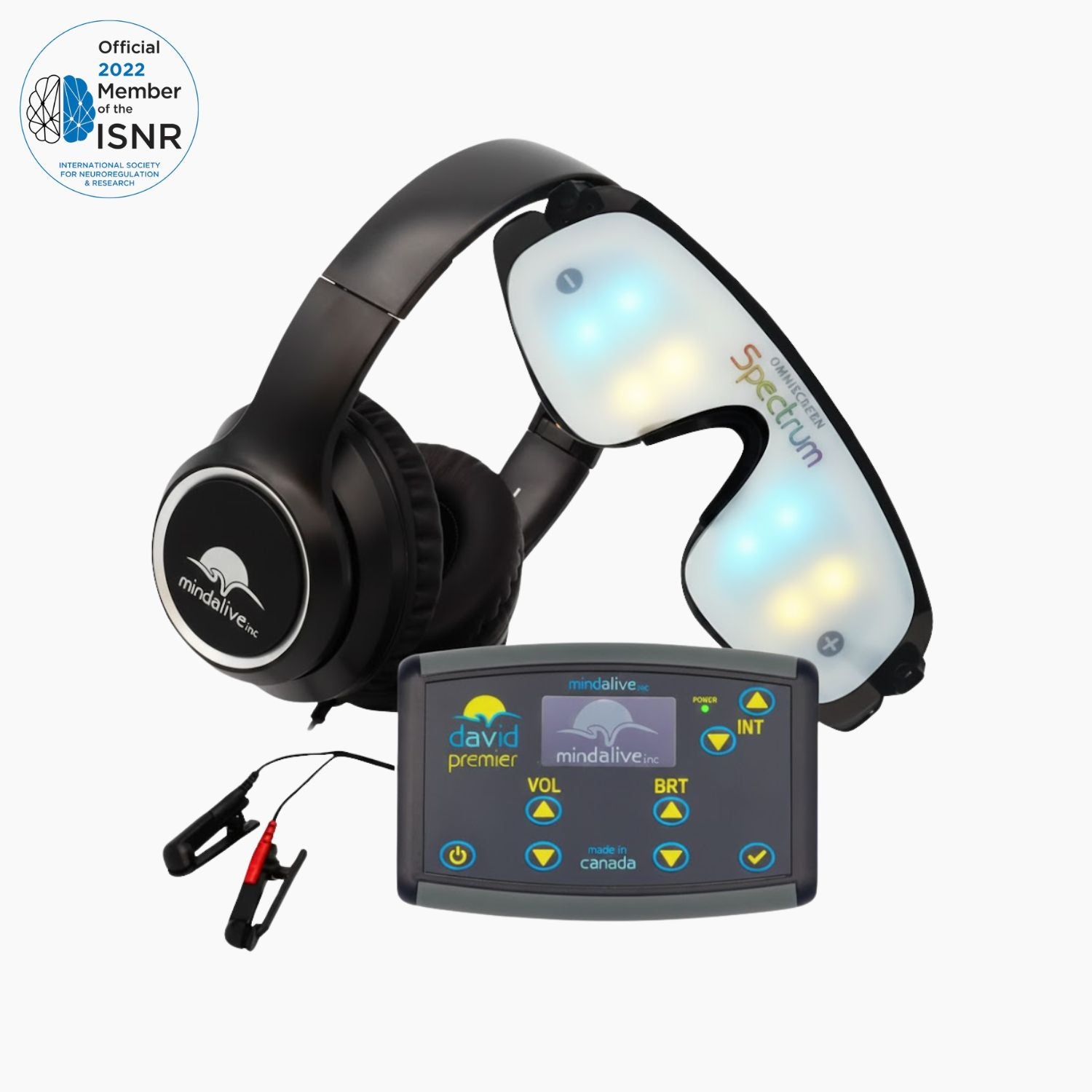
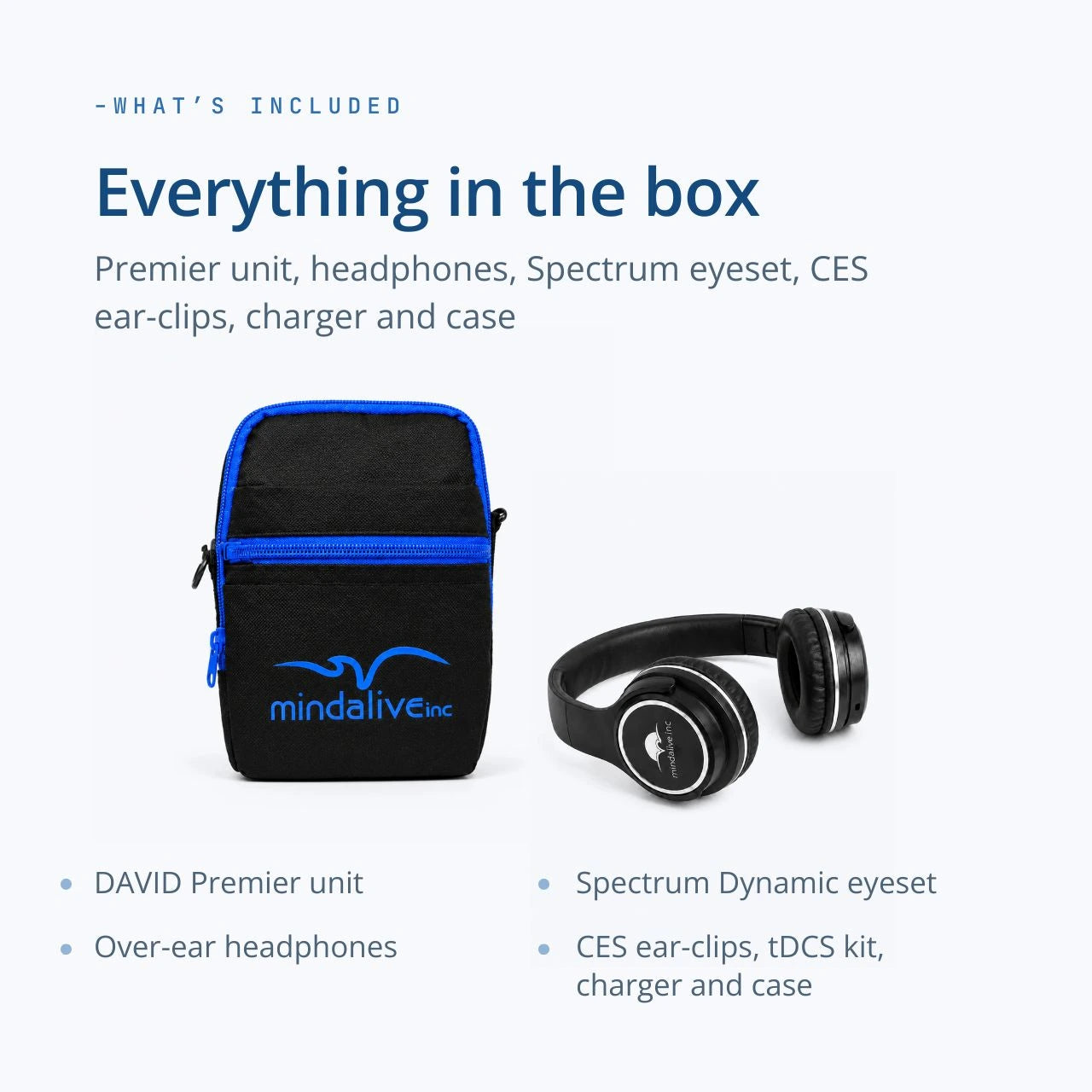
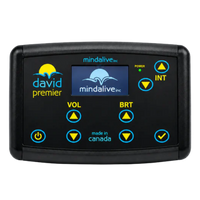
Many clinics that introduce audio-visual entrainment (AVE) and cranial electrotherapy stimulation (CES) into a treatment plan do so with the DAVID Premier, the device built for practitioner use, with 50 or more programmable sessions and the range to adapt a protocol as a client's needs change.
See the DAVID PremierKey Takeaways
- Screen every new client for a history of photosensitive epilepsy or seizures and for any implanted electronic device before the first session.
- Put consent in writing, not just in a verbal check-in, and keep it in the client's file alongside your intake notes.
- AVE and CES are studied for specific uses, not approved to treat or cure disease, so keep your language aligned with that distinction.
- Re-screen at follow-up visits, since a client's health status or medication list can change between sessions.
- Build a short, repeatable screening script into intake so no client is onboarded without it.
Why the Consent Conversation Changes the Session
A consent conversation is not paperwork you get through before the real work starts. It is where you learn the details that shape the session itself: whether a client has ever had a seizure, whether they carry a pacemaker or another implanted device, what medications they are on, and what they expect the session to do for them.
That last part matters as much as the medical screening. Clients sometimes arrive expecting AVE or CES to treat a diagnosed condition outright. Part of informed consent is setting that expectation correctly from the start, in plain terms, before the first light pattern or current ever runs.
What to Cover Before the First Session
A thorough pre-session conversation, documented in the client's file, should walk through:
- A seizure and photosensitivity history, including any family history of epilepsy.
- Any implanted electronic device, such as a pacemaker, defibrillator, insulin pump, or cochlear implant.
- Current medications, especially anything affecting heart rhythm, blood pressure, or seizure threshold.
- Pregnancy status, since AVE and CES have not been studied in pregnant clients.
- Any acute psychiatric crisis, such as active mania or psychosis, which calls for referral rather than a session.
- Skin conditions, open wounds, or metal near where CES ear-clips would sit.
- What the client expects from the session, and what the device is and is not intended to do.
None of this needs to feel like an interrogation. A short intake form, reviewed verbally and signed, covers most of it in a few minutes.
Contraindications to Screen for Every Time
Some conditions rule a session out entirely. Others call for a conversation with the client's physician before proceeding. The table below is a starting point, not a replacement for your own clinical judgment.
| Condition | Why it matters | What to do |
|---|---|---|
| History of photosensitive epilepsy or seizures | Flickering light can be a trigger | Do not proceed with AVE; consult a clinician |
| Implanted electronic device | CES and some AVE eyesets involve electrical or light stimulation that may interact with the device | Do not proceed; consult a clinician first |
| Pregnancy | Not studied in pregnant clients | Defer the session |
| Acute mania or psychosis | Outside the scope of what AVE or CES has been studied for | Refer to appropriate care |
| Broken skin or metal near electrode sites | Affects CES ear-clip placement and comfort | Reschedule or adjust protocol |
Safety note: AVE and CES are not for people with a history of photosensitive epilepsy or seizures, or an implanted electronic device. Always consult a clinician when any of these apply.
Documenting the Screening and the Conversation
Documentation protects the client and the practice. A simple, repeatable process works better than an elaborate one that gets skipped under time pressure.
- Use a standard intake form that lists every contraindication, not a verbal-only check.
- Have the client initial each item rather than sign a single blanket statement.
- Record what you told the client about what AVE and CES are studied for, and what they are not.
- File the signed form with session notes, not in a separate, easy-to-lose folder.
- Set a reminder to re-screen at a fixed interval, such as every few months or whenever a client reports a health change.
What the Research Actually Supports
Keeping client-facing language accurate starts with knowing what has actually been studied. Huang and Charyton's 2008 meta-analysis found AVE associated with benefits across a range of uses, including relaxation and cognitive performance, without reporting serious adverse events in the studies reviewed. Berg and Siever's 2009 work on CES describes it as generally well tolerated within the populations studied. Cohen and colleagues' 2015 research looked at CES used within pain management protocols, again pointing to a favorable safety profile under supervised use.
What this means for consent language: you can tell a client that AVE and CES have been studied for relaxation, sleep, and certain pain and cognitive applications, and that the research points to a good safety profile when contraindications are screened for. You should not tell a client that either device treats or cures a diagnosed condition.
Building Screening Into Your Routine
The clinics that do this well treat screening as part of the session plan, not a separate compliance step. A short script at intake, a standing reminder to re-check at return visits, and a single place to log it all keeps the process light enough that it actually gets followed every time.
Choosing a Device for Consistent Protocols
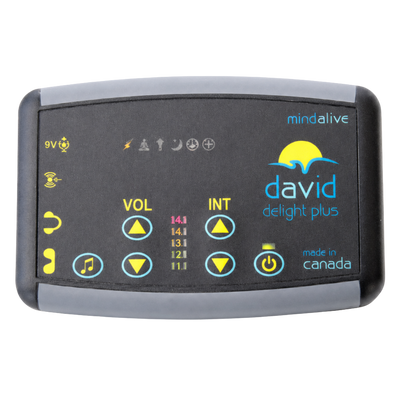
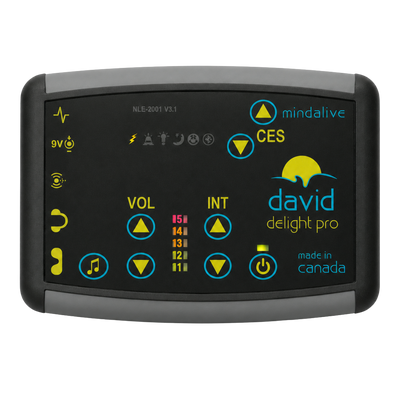
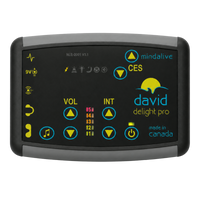
Most practices settle on either the DAVID Delight Pro or the DAVID Premier. The Delight Pro combines AVE with CES ear-clips across 25 sessions plus 3 gamma sessions, and it is the device most clients and practitioners choose for general use. The Premier adds CES, optional tDCS, and more than 50 programmable sessions, which suits practices running varied protocols across many clients.
| Device | Price | Best for |
|---|---|---|
| DAVID Delight Pro | $559.99 | General practice use, AVE plus CES |
| DAVID Premier | $994.99 | Practices running varied, programmable protocols |
Both ship from Mind Alive in Canada by FedEx Express, arriving within 2 business days in the United States and 3 to 5 business days elsewhere. Every order carries a 30-day money-back guarantee and a 1-year warranty, with free US shipping over $500 and free worldwide shipping over $800. If a return is needed, the device must come back unused in its original packaging within 30 days, and the customer covers return shipping. Clients or practices outside Canada and the US are responsible for their own import duties, VAT, and brokerage fees, collected by FedEx at delivery. You can compare both devices side by side on the devices comparison page.
FAQ: Informed Consent and Contraindications for AVE and CES
What counts as a contraindication for AVE?
A history of photosensitive epilepsy or seizures is the primary contraindication for AVE, since the light patterns involve flickering. Any uncertainty here should go to the client's physician before a session is scheduled.
Can CES be used with a client who has a pacemaker?
No. An implanted electronic device, including a pacemaker, is a contraindication for CES, and the client should consult their clinician before considering a session.
Do you need written consent for every AVE or CES session?
You need written consent and a documented screening before the first session. After that, a quick verbal check-in at each visit, with a full re-screen at a set interval, is reasonable practice for most clinics.
Are AVE and CES approved to treat seizures or mental illness?
No. AVE and CES are not medical devices for treating disease. They have been studied for specific uses such as relaxation, sleep, and certain pain and cognitive applications, and client-facing language should reflect that distinction.
How often should you re-screen an existing client?
Many practices re-screen at a fixed interval, such as every few months, and immediately whenever a client reports a new diagnosis, a new medication, or a new implanted device.
What should a clinic do if a client discloses a new health condition mid-program?
Pause sessions, update the intake file, and run the contraindication screen again before resuming. If the new condition touches on epilepsy, seizures, pregnancy, or an implanted device, check with the client's physician first.
Where can a practice get a device suited for clinical use?
The DAVID Premier is built for practitioner settings, with the DAVID Delight Pro as a lighter option for general use. You can also take the brainwave assessment quiz to help match a device to a typical client profile, or read how one practice set up its own session plan in how therapists add AVE to a session plan.