

What Is CES Therapy?
Mind AliveWritten by MindAlive – 35 years of brainwave entrainment, 5× awarded for innovation in neurotechnology.
CES Therapy: Gentle Electrical Support for Mood, Stress, and Sleep
CES therapy (cranial electrotherapy stimulation therapy) uses very low-level electrical currents applied across the head to gently influence brain activity. It is a non-invasive neuromodulation approach often explored for anxiety, stress, and sleep support.
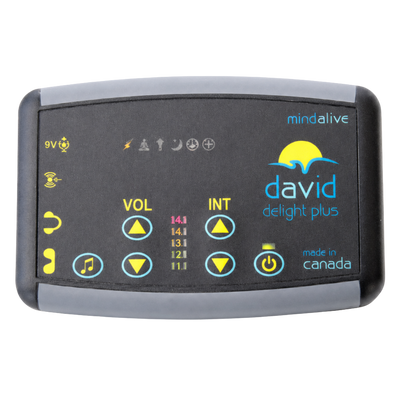
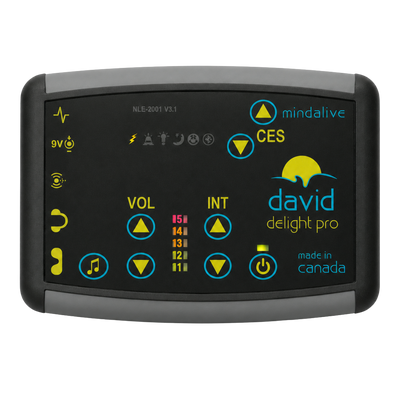
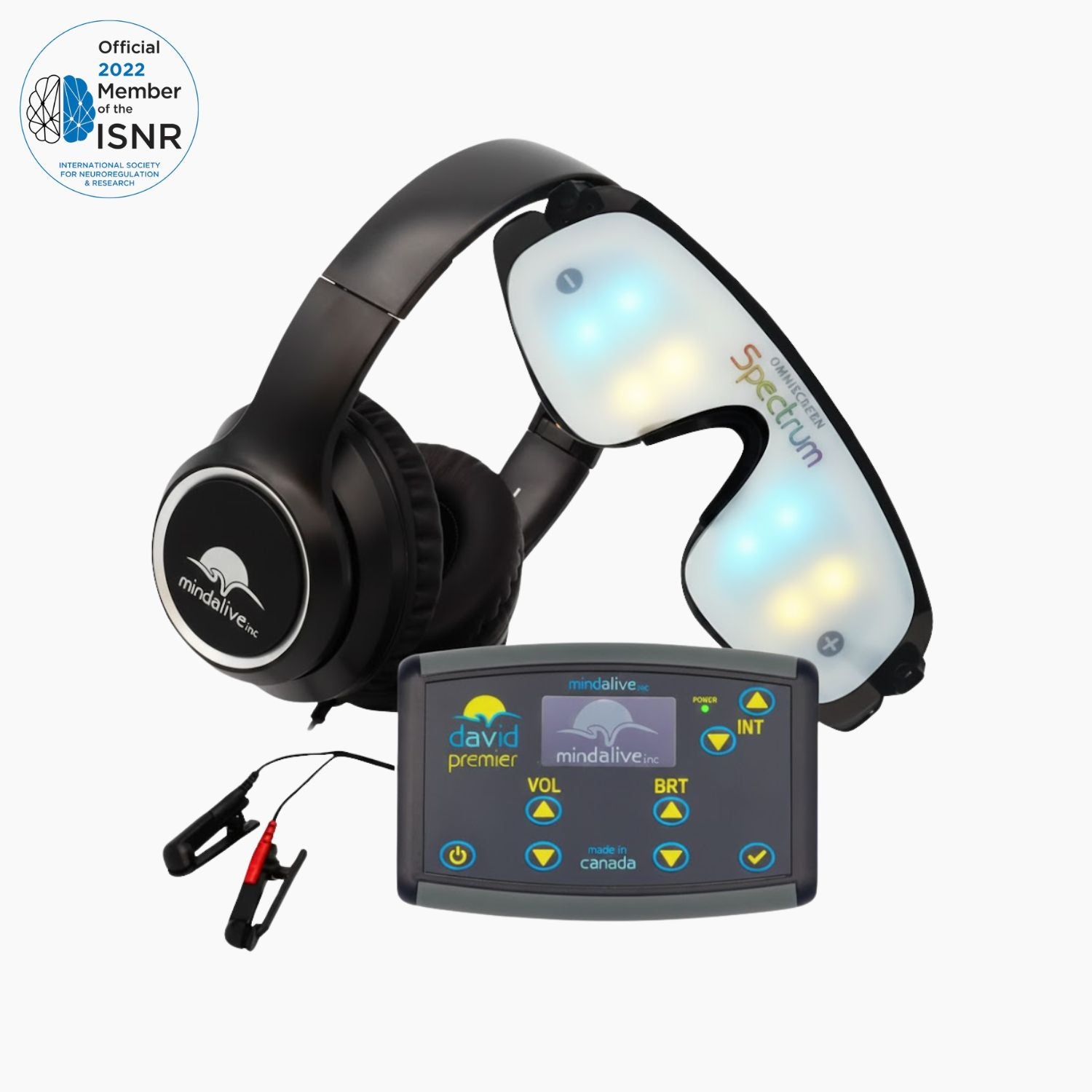
During CES therapy, microcurrent is delivered through small electrodes (commonly on the earlobes). Most people feel little to no sensation at recommended intensities, yet some report noticeable shifts in calm, clarity, and sleep quality over time.
Key Takeaways
- CES therapy uses microcurrent stimulation to support mood, stress regulation, and sleep quality.
- It is non-invasive, typically comfortable, and used at very low intensities.
- Research shows promising but mixed results—protocol and individual response matter.
- Best results usually come from consistent use and integration into a broader routine.
- CES therapy can be combined with AVE/light-sound entrainment for more structured state-change sessions.
What Is CES Therapy Exactly?
CES therapy is a form of neuromodulation that uses very small electrical currents (microcurrent) to interact with the brain’s electrical activity. It sits in the same family as other non-invasive techniques like AVE (audio-visual entrainment) and tDCS, but uses different waveforms and much lower current.
If you’d like a broader overview of how CES compares to other methods like AVE and tDCS, see AVE, CES & tDCS explained.
How CES Therapy Works on the Brain
In CES therapy, current flows between two electrodes—typically clipped to the earlobes or placed near the temples. This microcurrent is believed to influence networks related to mood, sleep regulation, and stress response. Unlike “shock therapy,” CES operates at intensities far below the threshold for pain.
Neurophysiological Mechanisms (Hypothesized)
- Modulation of limbic system activity involved in emotional regulation.
- Influence on neurotransmitter systems (e.g., serotonin, GABA) associated with mood and relaxation.
- Shifts in autonomic balance, supporting a move away from chronic fight-or-flight states.
Core Parameters Used in CES Therapy
Different CES therapy devices use slightly different parameters, but many share common ranges.
| Parameter | Typical Range | Role in CES Therapy |
|---|---|---|
| Current intensity | ~20–600 μA | Microcurrent level used to modulate activity without discomfort. |
| Waveform | Sine, pulsed, or complex | Affects how the stimulation feels and how circuits respond. |
| Frequency | From sub-Hz to low kHz (device-dependent) | Can be tuned toward relaxation or alertness targets. |
| Session length | 20–60 minutes | Defines total exposure per session. |
Potential Benefits of CES Therapy
People use CES therapy primarily to support emotional balance and restorative states. Responses are individual—some notice clear changes within a few sessions, others need longer or see only subtle shifts.
CES Therapy for Anxiety and Mood
Many users describe CES therapy as a “calming” or “grounding” experience. The microcurrent stimulation may help reduce nervous system overactivation and support more stable mood over time.
CES Therapy for Sleep Support
When used in the evening, CES therapy may support faster sleep onset and a smoother transition into rest. Effects are often strongest when CES is combined with solid sleep hygiene (consistent bedtime, low light, reduced screens).
Stress Management and Recovery
By nudging the nervous system away from a sustained stress response, CES therapy can become part of a broader stress management toolkit—used alongside breathwork, mindfulness, and lifestyle changes.
How to Use CES Therapy Effectively
Equipment and Setup
- Use the provided earclips or electrodes and ensure skin is clean.
- Apply conductive solution or use fresh pads if recommended.
- Start on the lowest comfortable intensity and adjust gradually.
Best Conditions for a Session
- Choose a quiet space where you won’t be interrupted.
- Sit or lie in a relaxed posture—avoid tension in shoulders and neck.
- For sleep support, plan the session 30–90 minutes before bedtime.
Frequency and Timing of CES Therapy
- Typical CES therapy sessions last 20–60 minutes.
- Many protocols recommend 3–7 sessions per week in the first few weeks.
- Avoid using CES while driving or operating machinery—treat it as a dedicated relaxation period.
Safety Considerations for CES Therapy
- Do not use CES therapy if you have implanted electronic devices (e.g., pacemaker) unless cleared by a clinician.
- Avoid placing electrodes over broken or irritated skin.
- If you experience headache, dizziness, or agitation, stop and reduce intensity or session length.
- Pregnant individuals and people with significant medical conditions should speak with a healthcare professional before starting CES therapy.
What Does the Research Say About CES Therapy?
CES therapy has been studied for several decades, especially in the context of anxiety and insomnia. Some controlled trials show positive outcomes, while others report modest or non-significant changes. Methodology, device parameters, and sample size all contribute to mixed findings.
If you want to explore published studies on neuromodulation and AVE/CES-based systems, see Scientific studies on the DAVID devices: proof of efficacy & safety.
CES Therapy vs. Other Brain Stimulation Methods
CES therapy belongs to a broader family of non-invasive stimulation techniques. Each has its own risk/benefit profile and ideal use cases.
| Method | Type of Stimulation | Typical Use |
|---|---|---|
| CES therapy | Low microcurrent via earlobes/temples | Mood, anxiety, stress reduction, sleep support |
| AVE | Light & sound brainwave entrainment | State-change (focus, relaxation, sleep, cognitive support) |
| tDCS | Direct current across scalp regions | Research and some clinical use for cognitive/clinical targets |
For a deeper explanation of how AVE, CES therapy and tDCS compare, see AVE, CES & tDCS explained. For a look at how AVE supports attention and learning challenges, see Audio-visual entrainment (AVE) for ADD/ADHD.
Combining CES Therapy with Other Techniques
CES therapy often works best when it’s one part of a broader routine that targets sleep, stress, and cognitive health.
| Technique | Why Combine It with CES Therapy | Examples |
|---|---|---|
| AVE (Audio-Visual Entrainment) | Strengthens state-change signals using light & sound patterns. | DAVID sessions for relaxation, focus, or sleep. |
| Mindfulness & breathing | Supports autonomic regulation and emotional resilience. | Guided breathing, body scan, short meditations. |
| Sleep hygiene | Improves baseline sleep, amplifying CES effects. | Regular bedtime, cool/dark bedroom, reduced screens. |
| Cognitive & attention training | Builds skills while CES supports underlying state. | Structured learning sessions, attention games, therapy. |
Common Misconceptions About CES Therapy
Myth vs. Reality
-
Myth: CES therapy is “electroshock” treatment.
Reality: CES uses very low microcurrent—far below levels associated with electroconvulsive therapy. -
Myth: CES therapy gives instant, dramatic results for everyone.
Reality: Many people require consistent use over weeks to gauge benefit. -
Myth: CES therapy replaces medical or psychological care.
Reality: CES is a complementary tool, not a substitute for professional treatment when needed.
Practical Limitations
Like any neuromodulation approach, CES therapy cannot guarantee specific outcomes. It is best viewed as a supportive tool that can be layered on top of sleep, nutrition, movement, therapy, and stress management strategies. Always consult a qualified clinician if you’re dealing with significant mental health or medical issues.
FAQ: CES Therapy
What is CES therapy used for?
CES therapy is commonly used to support mood, reduce stress and anxious feelings, and improve sleep quality as part of a broader wellness plan.
Does CES therapy hurt?
No. At proper settings, CES therapy is usually comfortable. Some people feel a light tingling, others feel nothing.
How long does it take to see results?
Some users notice changes within a few sessions; others need several weeks of consistent CES therapy to evaluate effects.
Can I use CES therapy every day?
Many protocols allow daily use, but always follow your device instructions and consult your healthcare provider when in doubt.
Is CES therapy safe?
CES therapy is generally well tolerated when used correctly and within guidelines. People with implanted devices, serious medical conditions, or who are pregnant should consult a healthcare professional before use.