

How To Activate Theta Brain Waves? Explained
Mind AliveHow to Activate Theta Brain Waves for Deep Relaxation
Practical methods to access 4–7 Hz states for calm, creativity, and inner reset.
In today’s always-on world, genuine deep relaxation can feel out of reach. One powerful way to change that is by learning how to activate theta brain waves. Theta activity (roughly 4–7 Hz) is strongly linked to deep calm, enhanced creativity, richer inner imagery, and intuitive problem-solving.
This guide gives you a practical overview of what theta waves are, why they matter for mental health, and how to access theta states using meditation, binaural beats, isochronic tones, self-hypnosis, rhythmic sound, and supportive technology.
Key Takeaways
Key Takeaways
- Theta brain waves (around 4–7 Hz) are associated with deep relaxation, creativity, and emotional processing.
- Activating theta states can support stress reduction, problem-solving, memory, and intuitive insight.
- Meditation, binaural beats, isochronic tones, self-hypnosis, and rhythmic sound can all help induce theta.
- Quality sleep, proper rest, and deep relaxation are foundational for healthy theta activity.
- Integrating theta-supportive practices into daily life can improve overall well-being and performance over time.
Understanding Theta Brain Waves
Theta brain waves sit in the slower band of brain activity, typically around 4–8 Hz. You’ll see them most often in:
- Deep relaxation and early sleep stages
- Hypnagogic (falling asleep) and just-waking states
- Certain meditation and trance states
- Moments of daydreaming and inward-focused attention
Theta states are closely tied to memory encoding, emotional processing, internal imagery, and intuition. In children, theta is more prominent and gradually gives way to more alpha and beta as we age and become more externally focused.
| Brain Wave | Frequency Range | Typical Associations |
|---|---|---|
| Delta | 0.5 – 4 Hz | Deep, dreamless sleep; physical restoration |
| Theta | 4 – 8 Hz | Deep relaxation, inner imagery, creativity, emotional processing |
| Alpha | 8 – 12 Hz | Relaxed wakefulness, light meditation |
| Beta | 13 – 30 Hz | Focused thinking, problem-solving, active cognition |
| Gamma | 30+ Hz | Complex information processing, binding, and insight |
Why Theta Waves Matter for Mental Health
Healthy theta activity supports:
- Stress relief and downshifting from “fight-or-flight”
- Deeper emotional integration and trauma processing
- Memory formation and retrieval
- Intuitive thinking and fresh perspectives
At the same time, strongly abnormal theta patterns can be associated with concentration problems or mood issues—so the goal is balanced, context-appropriate theta, not “more theta at all times.”
Benefits of Theta Brain Wave States
When you intentionally access theta states in a safe, supported way, you often notice benefits across several domains.
Deep Relaxation & Stress Reduction
Theta is strongly associated with deep physical and mental relaxation. In this state, muscle tension drops, breathing slows, and stress hormones like cortisol can ease. Many people describe a sense of “melting” into the experience while still being quietly aware.
Creativity, Intuition, and Problem-Solving
Theta states loosen strict analytical filters and allow more associative, non-linear thinking. This is why creative insights often appear in the shower, during a bath, or just before sleep—classic theta-friendly scenarios. Artists, musicians, and writers frequently leverage this state for ideation and new perspectives.
Learning, Memory, and Inner Growth
Theta rhythms support memory encoding and the integration of learning. Combining theta-inducing practices with study, skill-learning, or therapy can sometimes deepen how well new information “lands” and connects with your existing knowledge and emotional framework.
How to Activate Theta Brain Waves with Meditation
Meditation is one of the most accessible ways to encourage theta activity, especially when practiced consistently.
Mindfulness & Open Monitoring
Mindfulness meditation—observing breath, body sensations, or thoughts without judgment—can gradually shift the brain from high beta toward alpha and theta. Open-monitoring styles, where you simply notice whatever arises, are particularly compatible with theta’s introspective quality.
Gentle, Nondirective Practices
Nondirective approaches (allowing the mind to wander softly while you maintain a relaxed witness stance) can also enhance theta. Rather than tightly controlling attention, you cultivate a spacious, receptive awareness—letting inner material surface and pass.
How Long Should You Meditate?
There’s no one-size-fits-all duration, but some general guidelines:
- Even 10 minutes of daily practice can begin to increase theta over time.
- 20–30 minutes tends to support deeper and more stable theta episodes for many people.
- Consistency (most days of the week) matters more than occasional long sits.
Binaural Beats & Isochronic Tones for Theta Entrainment
Brainwave entrainment tools use rhythmic sound to encourage the brain to follow a target frequency—like theta.
Binaural Beats
With binaural beats, slightly different tones are played to each ear (for example, 200 Hz in one ear and 206 Hz in the other). The brain perceives a “beat” at the difference—6 Hz in this example—nudging electrical activity toward that frequency.
- Require stereo headphones for full effect.
- Theta-range beats typically use differences around 4–7 Hz.
- Best used at a comfortable volume, in a relaxed position with eyes closed.
Isochronic Tones
Isochronic tones are single tones switched on and off at regular intervals. Because the rhythm is carried in the volume pulses themselves, headphones are optional.
- Good for users who prefer speakers over headphones.
- Can be targeted directly to the theta band (e.g., 5–7 pulses per second).
- Work well combined with ambient music or nature sounds.
| Method | Headphones Needed? | Typical Use for Theta |
|---|---|---|
| Binaural beats | Yes | Deep relaxation, creative work, pre-sleep sessions. |
| Isochronic tones | No (optional) | Meditation background, focused relaxation, daytime breaks. |
| AVE (light & sound) | Dedicated device | Structured, full-brain entrainment with timed protocols. |
Self-Hypnosis & Rhythmic Sound
Self-Hypnosis for Theta Access
Self-hypnosis combines deep relaxation with focused suggestion. Step-by-step, you:
- Use progressive muscle relaxation to release physical tension.
- Guide yourself into a calm, inward-focused state (often theta-rich).
- Introduce positive, well-phrased suggestions supporting your goals (stress relief, confidence, habits).
With regular practice, many people find it easier and faster to slip into theta-like states and access the subconscious patterns they want to reshape.
Shamanic Drumming & Rhythmic Sound Therapy
Repetitive drumming at around 4–8 beats per second can naturally encourage theta dominance. Traditional shamanic drumming and modern sound-therapy tracks both use this principle:
- Steady, simple rhythms to reduce mental chatter.
- Gradual immersion into an inward, imaginal space.
- Potential for vivid inner journeys, symbolic experiences, and emotional release.
Deep Relaxation, Sleep, and the Theta Connection
Theta is woven throughout sleep—especially during drowsy onset and REM. If you’re chronically sleep-deprived or overstimulated, it becomes much harder to reach restorative theta states during the day.
Relaxation Techniques That Support Theta
- Progressive muscle relaxation: Systematically tensing and releasing muscle groups to trigger the body’s relaxation response.
- Breathwork: Techniques like 4–7–8 breathing, box breathing, or simple slow diaphragmatic breathing help shift your nervous system into a calmer parasympathetic mode.
- Guided imagery: Combining deep breathing with vivid mental scenes (forest, ocean, mountain) can deepen relaxation and tilt the brain toward theta.
Sleep Hygiene & Theta Quality
To support healthy theta during sleep and meditation:
- Keep a relatively consistent sleep–wake schedule.
- Wind down with low light and reduced screens in the last hour before bed.
- Consider a short theta or theta–delta entrainment session as part of your pre-sleep routine.
Environment & Daily Integration
Environment strongly influences how easily you can access theta states.
Optimize Your Setting
- Use warm, dim, or natural lighting rather than harsh overheads.
- Keep the room at a comfortable temperature and reduce clutter in your practice zone.
- Add calming elements—plants, soft textures, or gentle nature soundtracks.
- Schedule theta practices near natural “soft points” in your circadian rhythm (early morning, late evening).
Bringing Theta into Daily Life
To make theta support part of your lifestyle instead of a one-off experiment:
- Start with short daily practices (5–15 minutes) and build from there.
- Layer theta-supportive tools into ordinary activities—for example, listening to soft entrainment audio while resting after work.
- Use journaling to track changes in stress levels, creativity, sleep, and intuition over weeks—not just single sessions.
FAQ
What are theta brain waves?
Theta waves are slower brain oscillations in roughly the 4–7 Hz range. They’re associated with deep relaxation, early sleep, vivid inner imagery, creativity, and emotional processing.
What are the main benefits of theta states?
Benefits can include reduced stress, better sleep onset, richer creativity, deeper access to memories and emotions, and improved intuitive problem-solving.
How can I activate theta waves naturally?
Common methods include meditation (especially open, nondirective styles), breathwork, progressive relaxation, gentle yoga or movement, and rhythmic sound such as drumming.
Do binaural beats really work for theta?
Many users report deeper relaxation and more vivid inner experiences with theta-range binaural beats. Responses are individual, and they should be viewed as a helpful tool—not a medical treatment or magic shortcut.
Is technology like AVE or CES useful for theta training?
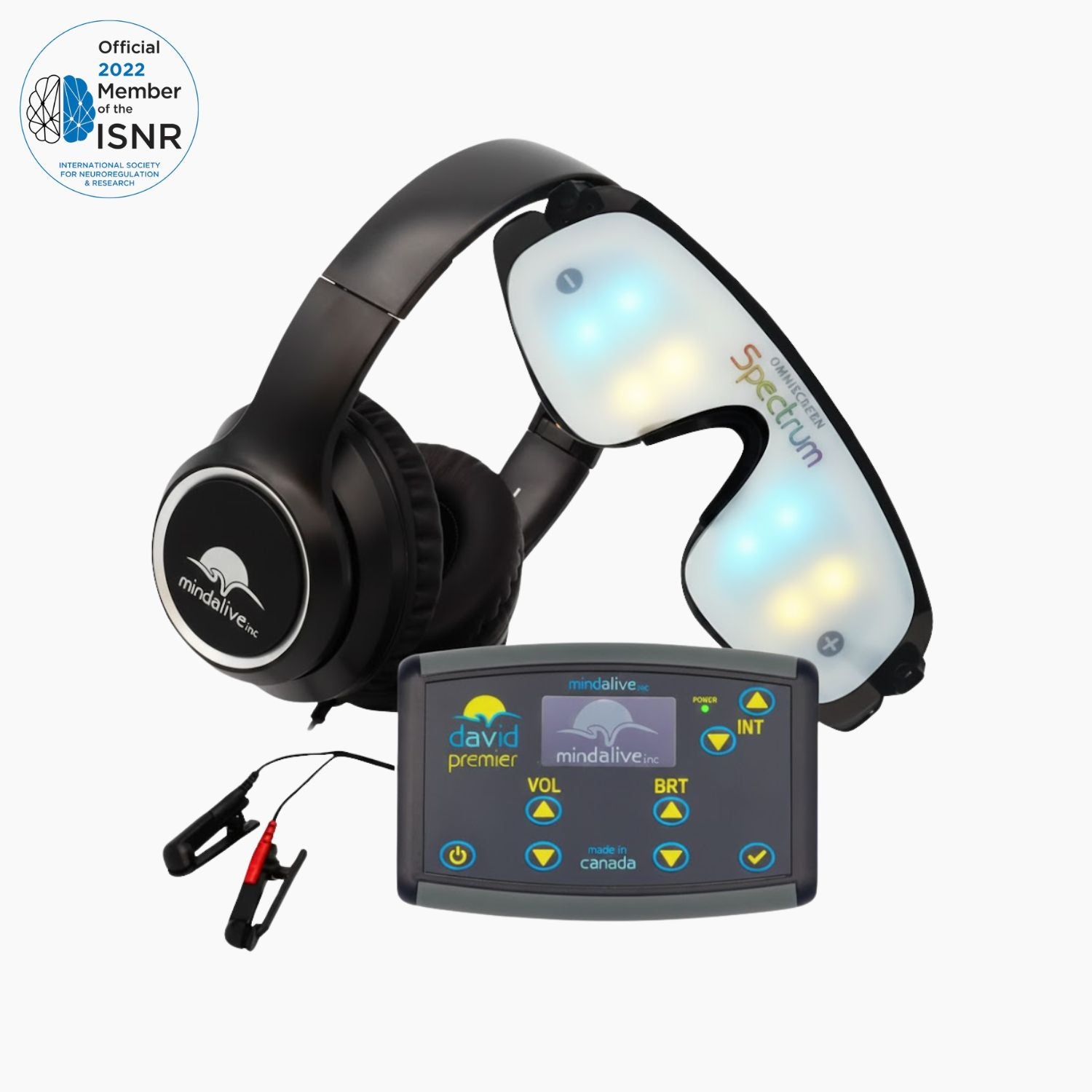
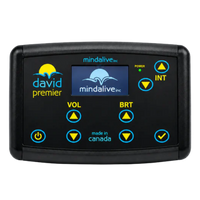
Yes. AVE and CES devices (like DAVID Premier) can offer structured, repeatable sessions that support theta and theta–alpha blends, making it easier to build a consistent practice without hand-tuning every variable yourself.
How long does it take to notice changes?
Some people feel effects in the first few sessions; for others, shifts in stress, creativity, or sleep emerge gradually over several weeks of regular practice.