

Binaural Beats for Tinnitus: How Brainwave Sound Therapy May Help Calm Ringing Ears
Yrian BrugmanBrainwaves · Hearing Health
An evidence-informed explanation of how brainwave sound therapy may help reduce tinnitus-related distress.
Written for people exploring non-invasive support methods.
Binaural Beats for Tinnitus
Tinnitus is often experienced as persistent ringing, buzzing, hissing, or humming — even when no external sound source exists. While traditionally associated with ear damage, modern research shows that tinnitus is largely a brain-based phenomenon. That’s why approaches like binaural beats for tinnitus have gained interest in recent years.
Rather than merely masking the sound, auditory entrainment techniques aim to influence the neural activity that keeps tinnitus in conscious awareness. For a deeper overview of how binaural audio influences brain activity, see The Complete 2026 Guide to Binaural Beats.

1. Tinnitus: Not Just an Ear Problem
Although tinnitus may originate from auditory damage, persistent symptoms are maintained by changes in the auditory cortex and associated neural networks. When normal sound input is reduced or altered, the brain increases internal signal gain to compensate.
Over time, this heightened neural activity can become ingrained and self-sustaining. Emotion and attention networks further reinforce the signal, making the sound difficult to ignore. Because of this, brain-focused approaches like binaural beats for tinnitus are being explored as supportive options.
Auditory entrainment is just one way to influence brainwave activity — for other neurostimulation methods, check out our guide on Brainwave Stimulation at Home.
2. What Are Binaural Beats?
Binaural beats occur when two slightly different frequencies are played separately into each ear using stereo headphones. The brain perceives the difference between them as a third rhythmic tone — the binaural beat.
This internal rhythm can nudge neural timing toward specific frequencies through a mechanism called neural entrainment. This mechanism underpins the use of binaural beats for tinnitus and other therapeutic applications.

3. How Brainwave Entrainment May Help Tinnitus Symptoms
Many people with tinnitus exhibit increased beta activity (linked to stress), reduced alpha power (linked to calm), and heightened activation in emotional brain circuits. These patterns often correlate with distress and hypervigilance toward the sound.
Sound-based entrainment protocols typically emphasize alpha (8–12 Hz) and theta (4–7 Hz) frequencies because these are associated with relaxation and reduced vigilance. By promoting these states, listeners may experience relief from the distress component of tinnitus.
For tips on increasing alpha activity at home, see our guide on How to Activate Alpha Brainwaves at Home.
4. What Research Suggests
While binaural audio is not a cure, several studies indicate potential benefits for tinnitus-related distress. Observed effects in research include:
- reduced anxiety and emotional reactivity
- lower perceived loudness in some individuals
- improved sleep quality
- decreased fixation on internal sound
EEG research often shows increased alpha activity after entrainment sessions — important because alpha rhythms help suppress irrelevant sensory processing, which is critical for reducing tinnitus awareness.

5. Emotional Regulation: A Central Benefit
Tinnitus severity often correlates with emotional response. When the brain interprets the sound as threatening, stress systems amplify it further. This creates a feedback loop involving the amygdala, prefrontal cortex, and attention networks.
By promoting relaxed brain states, sound entrainment may help weaken this loop. Many users report that the sound becomes less intrusive as stress levels decrease.
6. Frequencies Commonly Used
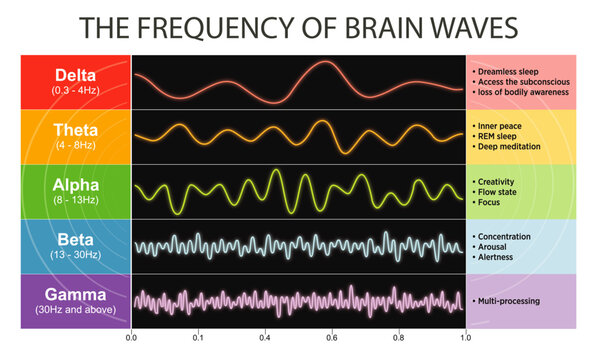
Different brainwave bands serve different roles:
- Alpha (8–12 Hz) – linked to calm and sensory inhibition
- Theta (4–7 Hz) – associated with reduced vigilance and emotional calm
- Delta (0.5–4 Hz) – supports sleep and rest
Protocols for tinnitus support often combine alpha and theta elements for optimal relaxation effects.
7. Safe and Effective Use Tips
To get the most from your sessions:
- Use stereo headphones
- Keep audio volume low
- Start with 10–20 minutes per session
- Practice consistently for 2–3 weeks
- Avoid multitasking while listening
This approach helps ensure that brain entrainment supports relaxation rather than cognitive overload.
8. Combining with Other Practices
Integrated strategies often yield better results. For example:
- Stress management exercises
- Sleep optimization
- Sound enrichment throughout the day
- Structured neuromodulation systems

9. Realistic Expectations
It’s important to understand that this kind of auditory entrainment:
- is not a cure for tinnitus
- may not deliver the same results for everyone
- typically reduces distress, not silence
- requires consistency
For many users, the greatest value lies in regaining control over their reaction to the sound rather than eliminating it completely.
Support Calm Brain States Naturally
If tinnitus is connected to stress, sleep disruption, or hypervigilance, brainwave-based support can help reduce its impact.
Take a Brainwave Assessment