

Five Problematic Mindfulness Myths Debunked
Mind AliveIn recent years, mindfulness has become a buzzword, hailed by wellness enthusiasts as a panacea for stress and mental health issues. Yet, with its rising popularity, a cloud of myths has also emerged, muddying the waters and leading to confusion. In this article, we aim to debunk five problematic myths about mindfulness, offering clarity and helping you navigate your personal mindfulness journey more effectively.
Explore our comprehensive range of mindfulness and wellness-enhancing tools at Mind Alive.
Myth 1: Mindfulness is Just About Meditation

Many people equate mindfulness with meditation and believe that to practice mindfulness, one must engage in lengthy meditation sessions. While meditation is indeed a popular mindfulness practice, it is by no means the only path to achieving a mindful state.
Mindfulness is about maintaining a moment-to-moment awareness of your thoughts, feelings, bodily sensations, and the surrounding environment. This can be incorporated into everyday activities by simply paying more attention to the present moment, whether you're walking, eating, or even doing chores.
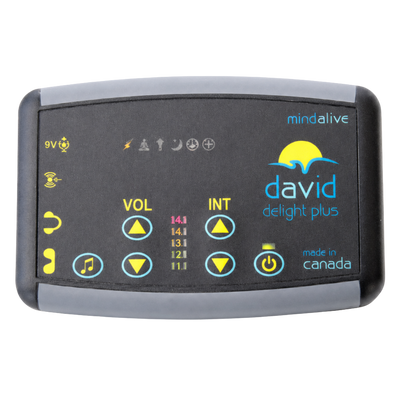
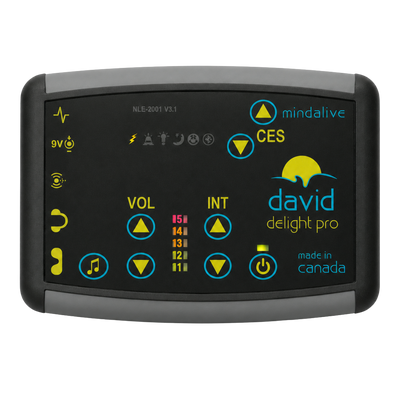
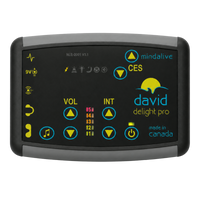
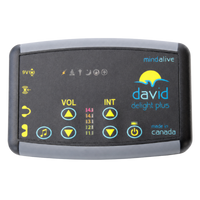
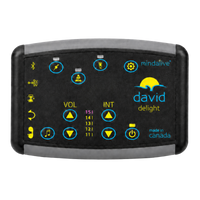
For those who find traditional meditation challenging, technology offers alternative avenues. For instance, devices like the DAVID Delight use audio-visual entrainment to help achieve a relaxed and mindful state. It's a beneficial tool for those new to mindfulness or looking to diversify their practice beyond meditation.
Myth 2: Mindfulness Requires You To Empty Your Mind

A common misconception is that mindfulness involves emptying the mind or eliminating thoughts. In reality, mindfulness is about observing thoughts without judgment and returning your focus to the present moment. It's perfectly normal for the mind to wander; the key is to gently bring your attention back without frustration.
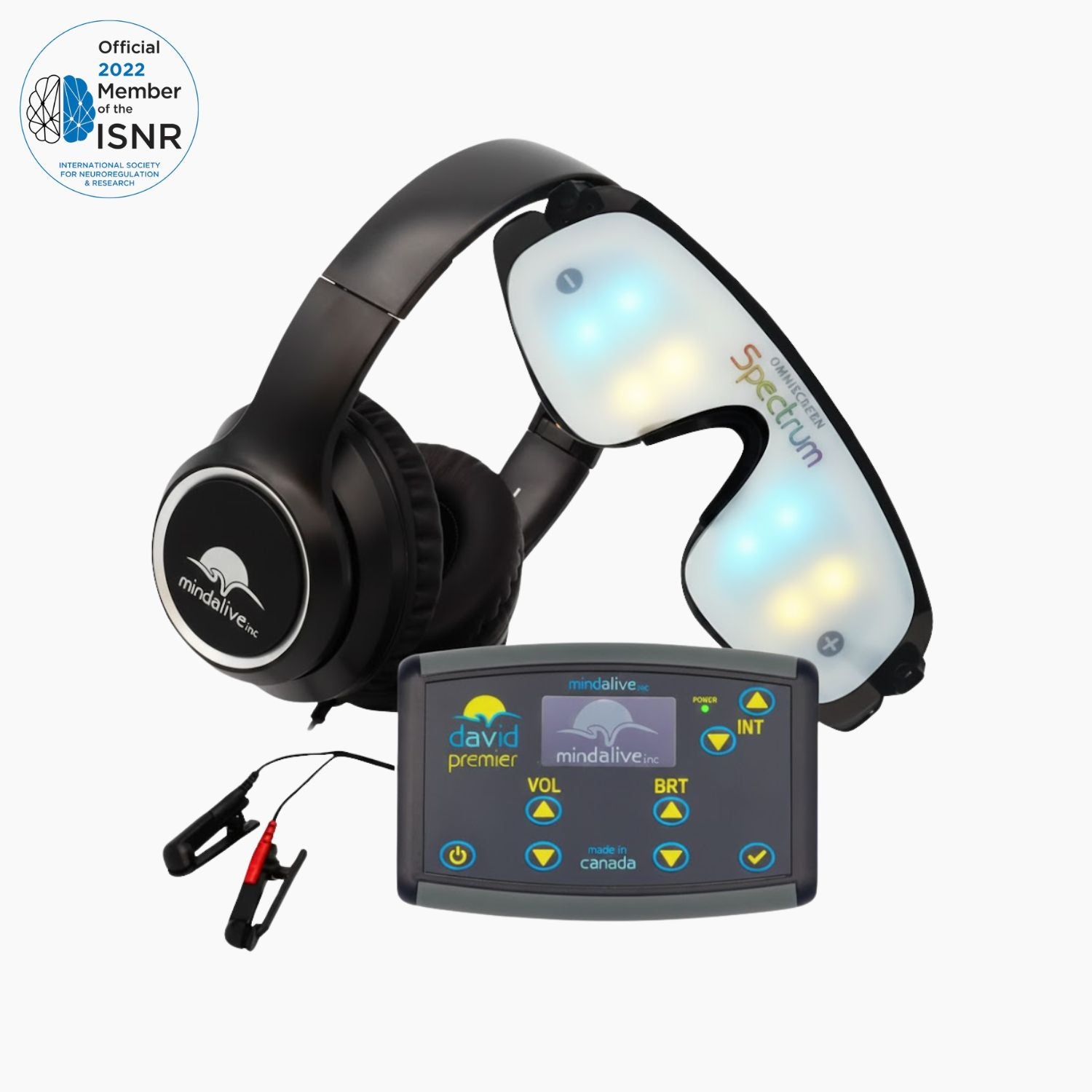
To aid in cultivating focus, the DAVID Premier offers a scientifically-backed tool designed to help enhance your mindfulness practice. This device utilizes audio-visual stimulation to help synchronize brainwaves, promoting calmness and concentration.
Myth 3: Mindfulness is a Quick Fix

In a fast-paced world, the allure of quick fixes is tempting. However, mindfulness is not about achieving instantaneous results. It's a lifelong practice that involves dedication and patience. The benefits unfold gradually over time, as one becomes more adept at observing thoughts and feelings without becoming overwhelmed by them.
Using supportive gadgets can enhance the pace at which mindfulness techniques become effective. Devices such as the TDCs Kit provide brain stimulation that can elevate mood and enhance cognitive function, making them a valuable addition to mindful practices for those seeking consistent improvement in mental clarity.
Myth 4: Mindfulness is Only for the Stressed and Anxious

Mindfulness has indeed shown effectiveness in reducing stress and anxiety, but suggesting it is only for those groups is limiting. It can benefit anyone looking to enhance their overall quality of life, improve focus, increase emotional resilience, and develop a deeper connection with their surroundings.
The MET Electrode Kit offers a method to enhance mindfulness practices by engaging in microcurrent electrical therapy, which can bolster the neural pathways associated with stress relief, making mindfulness accessible to all, whether dealing with stress or simply seeking balance.
Myth 5: Mindfulness is a Spiritual or Religious Practice

Mindfulness often connotes a spiritual experience, potentially deterring those who do not identify with spiritual or religious practices. While mindfulness has historical roots in Buddhist practices, contemporary mindfulness is secular and accessible to everyone, regardless of religious beliefs.
Mindfulness encourages us to observe our thoughts and environment without the layers of cultural or religious connotations. Tools like the Spectrum Viewhole Eyeset are designed to help reinforce this idea by allowing users to immerse themselves in the present through guided visual exercises.
Mindfulness, at its core, is about creating a meaningful connection with oneself and the environment. As you explore different practices and devices to enhance mindfulness, consider visiting the Mind Alive site to support your journey with tools designed to complement and expand your mindfulness practice.
By understanding and debunking these myths, you'll be better equipped to create a more authentic and personal mindfulness experience, leading to greater tranquility and well-being.