Technique to instantly go into theta brain wave
Mind AliveWritten by MindAlive – 35 years of brainwave entrainment, 5× awarded for innovation in neurotechnology.
Enter the Theta Brain Wave State Faster: Expert Guide
Theta brain waves oscillate around 4–8 Hz. They’re strongly associated with deep relaxation, emotional processing, memory consolidation, and creative insight. In this guide you’ll learn practical, evidence-informed ways to access theta more reliably—using breath, meditation, sound, and technology.
Key Takeaways
- Theta waves are linked to deep relaxation, intuition, and emotional processing.
- Accessing theta can support creativity and improve learning and memory.
- Meditation, breathing exercises, and brainwave entrainment can help induce theta.
- Your environment (light, noise, posture) strongly impacts how quickly you shift states.
- Consistency matters—short daily practice compounds into long-term benefits.
Understanding Theta Brain Waves: The Gateway to Deep Relaxation
Theta brain waves sit between wakefulness and sleep. Many people experience theta while drifting off, during light sleep, in deep meditation, and sometimes during daydreaming. Theta is often described as a “bridge” between conscious and subconscious processing.
The Science Behind Theta Frequency
Theta activity is frequently observed in brain networks involved in memory and learning. Research often associates theta rhythms with processes like consolidation, navigation, and emotional integration.
How Theta Differs from Other Brain Waves
Theta (4–8 Hz) sits below alpha (8–12 Hz) and above delta (0.5–4 Hz). This “in-between” zone is one reason theta is associated with insight and vivid imagery—it’s relaxed, but not fully asleep.
Measuring Theta Activity in the Brain
Theta is typically measured using EEG (electroencephalography), which captures electrical activity across the scalp and shows relative power in different frequency bands.
The Benefits of Theta Brain Wave States
Theta (4–8 Hz) is commonly linked with deep relaxation, creative ideation, memory formation, and emotional processing. People often seek theta to reduce stress, improve learning, and support deeper meditation sessions.
| Brain Wave | Frequency Range | Associated Characteristics |
|---|---|---|
| Delta | 0.5 – 4 Hz | Deep sleep, restorative processes |
| Theta | 4 – 8 Hz | Creativity, intuition, emotional processing |
| Alpha | 8 – 12 Hz | Relaxed focus, mindfulness |
| Beta | 12 – 38 Hz | Waking attention, problem-solving |
| Gamma | 38 – 100 Hz | Higher cognition, intensive information processing |
How to Access Theta More Quickly
Preparation Steps
- Choose a quiet, distraction-free space where you can sit or lie comfortably.
- Use slow, rhythmic breathing to downshift arousal.
- Try visualization or guided imagery (a calm scene, body scan, or gentle countdown).
Environmental Conditions That Help
- Low noise / minimal interruptions
- Dim lighting
- Comfortable posture (supported neck/back)
Breathing Technique (Simple Pattern)
- Inhale through the nose for a count of 4
- Hold for a count of 4
- Exhale slowly for a count of 6
- Repeat for 3–5 minutes
Using Binaural Beats for Theta Induction
Binaural beats use two slightly different tones—one in each ear—to create a perceived “beat” frequency. Some people use theta-range beats to support relaxation and meditation. Individual responses vary, and results can depend on the listener, volume, and environment.
The Role of Meditation in Accessing Theta
Meditation is one of the most reliable ways to increase theta over time. Guided meditations can help beginners stay focused and reduce mind-wandering—two factors that make it easier to transition into deeper states.
Technology Tools That Support Theta States
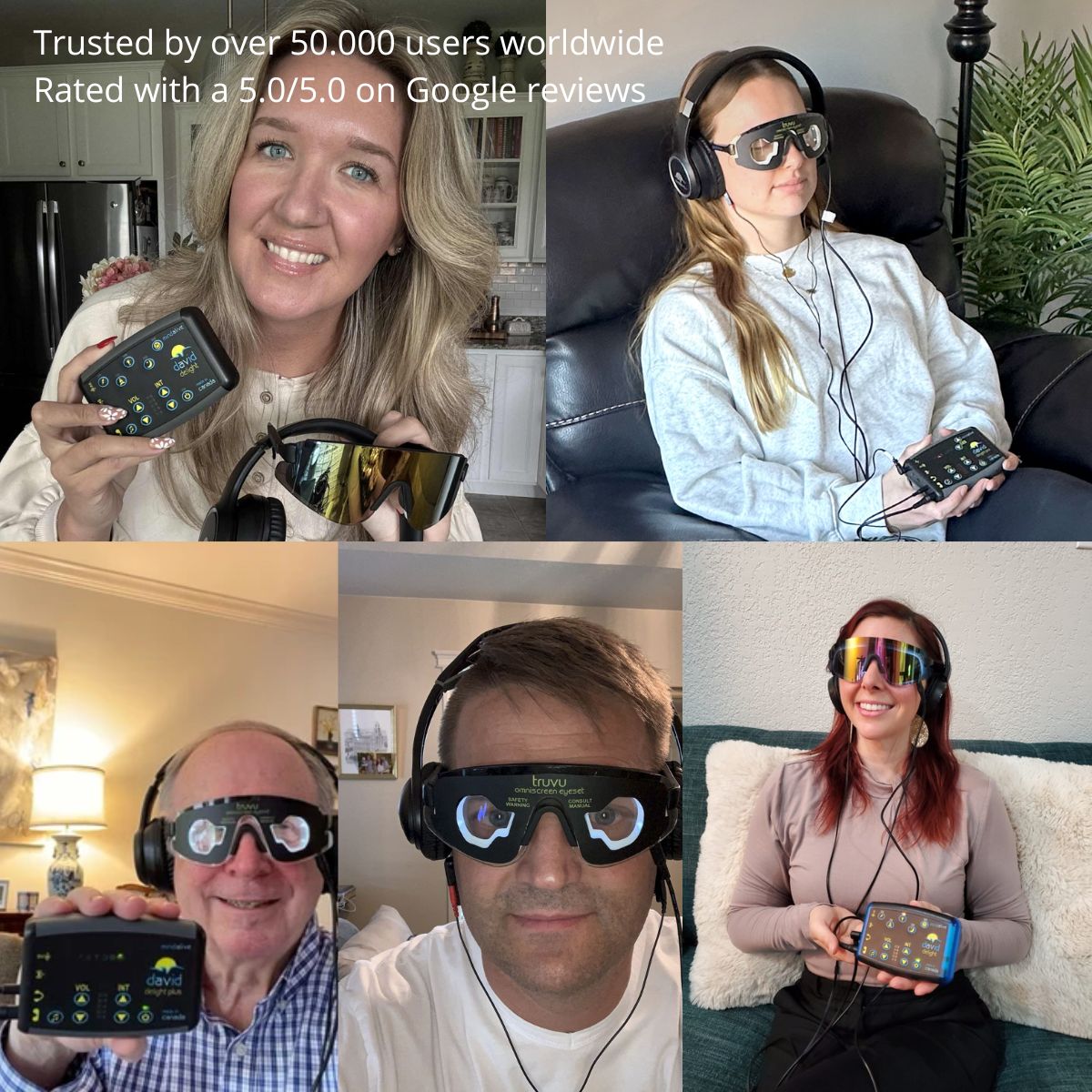
Technology can help make state changes more repeatable—especially if you struggle with consistency. Tools range from audio-based tracks and apps to EEG devices and audio-visual entrainment (AVE) systems.
Neurofeedback Training for Theta Mastery
Neurofeedback uses EEG monitoring to provide real-time feedback so you can learn to influence brain states. Working with a qualified professional is recommended to interpret data and train safely and effectively.
| Key Benefit | Why It Matters | Common Applications |
|---|---|---|
| Real-time EEG feedback | Helps you learn what shifts your state | Meditation training, stress reduction |
| More consistent theta access | Builds repeatable patterns over time | Creativity, focus, emotional regulation |
| Self-regulation skills | Improves resilience to stress | Anxiety, performance, sleep support |
Theta Waves and Creativity
Theta is often associated with divergent thinking, imagination, and insight. Many people notice their best ideas arrive when they’re relaxed, slightly “inward,” and less cognitively rigid—conditions that overlap with theta-dominant states.
Theta Waves in Learning and Memory
Theta rhythms are frequently discussed in relation to memory encoding and consolidation. Learning in a calmer state can help reduce anxiety-driven interference and improve retention—especially when paired with consistent practice and adequate sleep.
Common Challenges (and Practical Fixes)
- Distractions: Use a consistent time/place, turn notifications off, consider headphones.
- Hard to relax: Start with 5–10 minutes, use breath pacing or a guided track.
- Inconsistent practice: Attach your session to an existing habit (morning coffee, bedtime routine).
Integrating Theta Practice Into Daily Life
Morning and Evening Routines
- Morning: 10 minutes of breath + guided session to set tone and focus
- Evening: short theta session to unwind and support sleep quality
Lifestyle Adjustments for Better Results
- Stress management (mindfulness, nature walks, yoga)
- Brain-supporting nutrition (omega-3s, berries, leafy greens)
- Regular movement and adequate sleep
Safety Considerations and Precautions
If you have epilepsy or a seizure disorder, consult a healthcare professional before using flashing light or brainwave entrainment tools. Avoid deep relaxation sessions while driving or operating machinery. Start slowly and increase session duration gradually.
Conclusion
Learning to access theta is a practical skill. With consistent breathing practice, meditation, and supportive tools, many people find it easier to reach deeper relaxation, enhance creativity, and improve learning. Build a simple routine, protect your environment, and track what works for you.
Explore DAVID PremierFAQ
What are theta brain waves?
Theta waves oscillate around 4–8 Hz and are commonly associated with deep relaxation, imagery, emotional processing, and memory consolidation.
What are the benefits of theta states?
Many people use theta to support relaxation, creativity, emotional balance, learning, and deeper meditation.
How do I enter theta faster?
Reduce stimulation (dim light, quiet), use paced breathing, and practice consistently. Guided sessions can also help improve repeatability.
Can binaural beats induce theta?
Some people find theta-range binaural beats helpful for relaxation and meditation, but individual responses vary.
Are there safety precautions?
If you have epilepsy or seizure disorders, consult a professional before using flashing light entrainment. Avoid deep sessions during activities requiring full alertness.