

The Benefits Of Beta Waves
Yrian BrugmanWritten by MindAlive – 35 years of brainwave entrainment, 5× awarded for innovation in neurotechnology.
The Complete Guide to Beta Wave Benefits
When your brain needs to focus, analyze, organize, or solve problems, it enters the beta range. These are the high-engagement frequencies associated with productivity, strategic thinking, and mental endurance. In this guide, we explore the proven Beta wave benefits, how they work, when beta becomes too much, and how to train a balanced cognitive rhythm using structured tools like the DAVID Premier.
Beta waves generally fall between 13–30 Hz. They dominate during active thinking, decision-making, planning, studying, and external focus. If alpha is relaxation and theta is creativity, beta is targeted execution — the engine that helps you get things done.
What Are Beta Waves? (Quick Overview)
Beta waves are the brain’s dominant frequency during wakeful, task-oriented states. They are essential for productivity, learning, problem-solving, and staying alert. Healthy beta rhythms allow you to sustain attention without drifting, filter irrelevant information, and maintain structured thinking.
For a deeper look at brainwave development across the lifespan, see Human brainwaves by age.
The 6 Most Important Beta Wave Benefits
Below are the primary, research-supported Beta wave benefits that impact daily functioning, cognitive performance, and emotional regulation.
1. Improved concentration & mental stamina
Stable beta activity supports the ability to stay on task without drifting into distraction. This is why students, programmers, researchers, and entrepreneurs often rely on beta-dominant states for deep work. A well-balanced beta rhythm allows for long periods of focused effort without losing precision.
2. Enhanced problem-solving & analytical thinking
Any task that requires logic, decision-making, structured reasoning, or step-by-step planning is powered by beta. It helps you break down information, evaluate options, and make confident, informed choices.
3. Faster reaction time & sensory awareness
Beta waves sharpen alertness, pattern recognition, and response speed. Athletes, gamers, and professionals in high-demand environments often rely on beta for optimal sensory engagement.
4. Better task-switching & cognitive flexibility
Healthy beta activity allows the mind to shift efficiently between tasks without mental “lag.” This is particularly important in fast-paced work environments or when juggling multiple responsibilities.
5. Higher motivation & goal-directed behavior
Beta states often correlate with dopamine-driven motivation. When used intentionally, they support productivity systems, academic goals, and behavioral consistency.
6. Increased engagement during learning
Beta waves help encode new information and sustain active attention — crucial during studying or skill-building. For structured cognitive training, explore the stimulation patterns in the DAVID Premier session library.

Beta Waves in Daily Life: A Practical Table
Below is a clear overview of how beta states support everyday performance:
| Goal | How Beta Feels | How to Access It | Best Time of Day |
|---|---|---|---|
| Deep focus | Clear, directed, structured | Task batching, environment optimization, beta-oriented entrainment | Morning or early afternoon |
| Problem-solving | Analytical, logical | Active recall, step-by-step frameworks, cognitive stimulation | When mentally fresh |
| Alertness | Sharp, responsive | Light movement, hydration, rhythmic stimulation | Anytime you need a boost |
| Learning | Engaged, steady | Focused study blocks, structured repetition | Mid-morning or early afternoon |
When Beta Becomes Too Much
While the Beta wave benefits are essential for productivity, chronic overactivation leads to:
- overthinking and rumination
- jaw and shoulder tension
- shallow breathing
- poor sleep quality
- mental fatigue or irritability
If beta becomes the default 24/7, people often report a “wired but tired” feeling — alert on the outside, exhausted on the inside.
How to Balance Beta: Three Reliable Methods
Your goal isn't to eliminate beta — you need it. The goal is balance: using beta for productivity while accessing alpha/theta for relaxation and recovery.
1. Strategic deep work blocks
Work in 25–60 minute intervals with full focus, followed by structured recovery (breathing, short breaks, or light movement). This preserves mental sharpness while preventing burnout.
2. Meditation & downshifting routines
Meditation, soft breathing, and sensory relaxation help transition out of beta after high-demand tasks. Even five minutes can interrupt the stress cycle.
3. Light & sound stimulation training
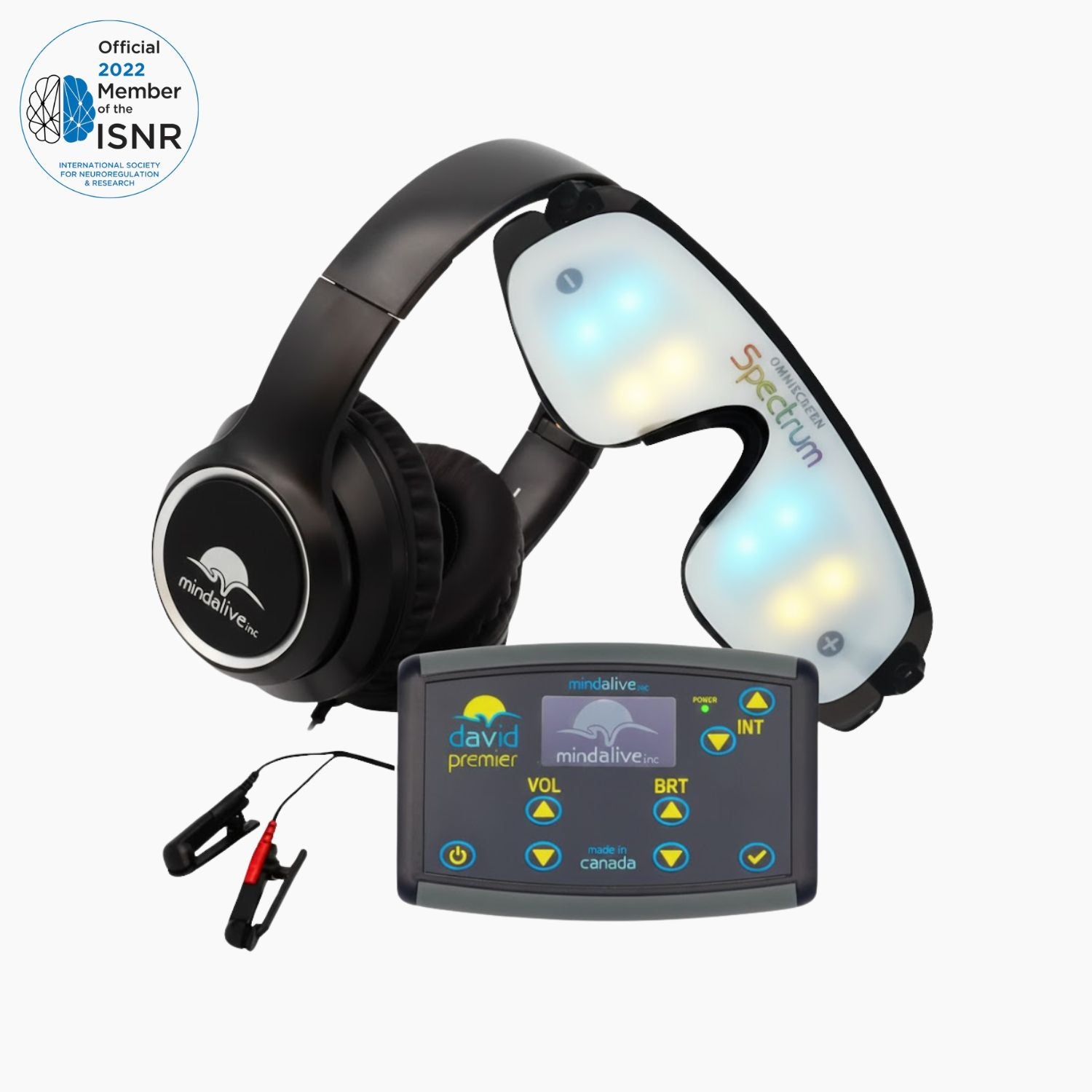
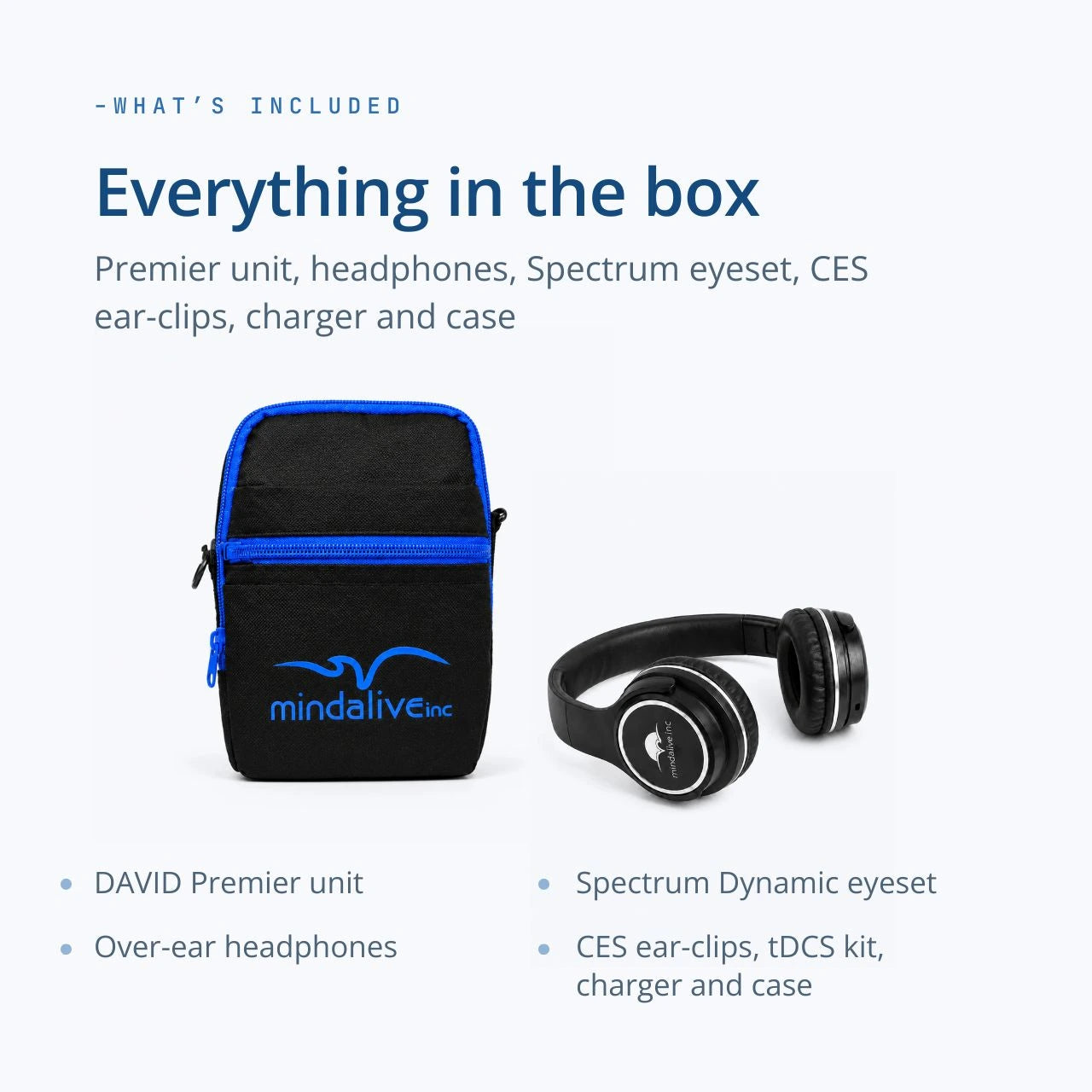
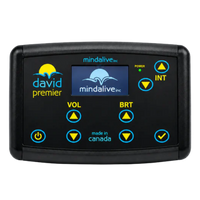
MindAlive devices offer specific programs designed for beta-enhancement (focus, alertness) and beta-balance (stress relief, calm). This helps users shift states intentionally. Explore the full library on the DAVID Premier page.
How Often Should You Train Beta?
- 2–4 sessions per week for productivity support
- Shorter sessions (10–15 min) before deep work
- Longer sessions (20–30 min) for cognitive enhancement
The long-term Beta wave benefits appear when your brain learns to access the state on command — not through stress, but through intentional activation.
Research & Further Reading
- NCBI – Psychological effects of brainwave entrainment
- Scientific studies on the DAVID devices
- Human brainwaves by age
Take Control of Your Cognitive State
If you want structured, science-based programs that support productivity, focus, and cognitive performance — while still protecting your nervous system — explore the DAVID Premier below.
Explore DAVID Premier