

The Brainwave Patterns Behind Seasonal Affective Disorder (SAD)
Yrian BrugmanWhy Mood Drops When Light Disappears
Seasonal Affective Disorder (SAD) affects millions of people every year — with symptoms appearing like clockwork as the days grow shorter. Low mood, heavy fatigue, oversleeping, emotional flatness, carb cravings, irritability, and difficulty focusing are common signs.
While SAD is often described as a “winter depression,” the underlying cause goes much deeper than weather preferences. It is a brainwave and circadian rhythm disruption triggered by reduced light exposure.
Why Reduced Light Alters Mood So Dramatically
Light is not just visual input — it is a biological signal that sets the timing for dozens of brain and body systems. When light decreases, the nervous system shifts in ways that affect:
- serotonin production
- melatonin release
- sleep architecture
- motivation and energy
- brainwave rhythms
This is why winter affects thinking, emotion, and sleep all at once.
SAD is not a psychological weakness.
It’s a neurobiological response to insufficient light.
The Brainwave Patterns Most Affected in SAD
Seasonal light changes strongly influence brainwave regulation. Research shows predictable shifts in people affected by SAD, especially in rhythms related to mood, energy, and motivation.
| Brainwave Pattern | Healthy Role | Winter Disruption | How It Feels |
|---|---|---|---|
| Alpha | Calm clarity, emotional balance | Reduced due to stress and sensory under-stimulation | Mental fog, emotional heaviness, irritability |
| Beta | Focus, activation, daytime energy | Underactive | Low motivation, difficulty starting tasks, slowed thinking |
| Theta | Memory, emotional processing | Overactive during the day | Sleepiness, daydreaming, difficulty concentrating |
| Delta | Deep sleep repair and restoration | Fragmented or excessive | Oversleeping yet still tired, morning grogginess |
These shifts explain why SAD affects mood, energy, cognitive clarity, and sleep all at once.
Why SAD Causes “Low Energy but High Emotion”
Many people with SAD describe:
- feeling physically drained
- emotional sensitivity or irritability
- difficulty staying focused
- feeling disconnected or unmotivated
This happens because the nervous system shifts into a “low-activation” state. The brain struggles to maintain healthy daytime rhythms — especially alpha and beta — which are essential for stable mood.
Why Sleep Gets Worse in Winter
Darkness triggers melatonin. When there is more darkness, melatonin rises earlier and stays elevated longer. Combined with disrupted circadian timing, this leads to:
- oversleeping
- low morning energy
- difficulty waking up
- poor concentration
- reduced motivation
Sleep becomes deeper in the wrong way — more delta but less restorative alignment with circadian needs.
Why Standard Approaches Help But Don’t Fully Fix SAD
Light therapy, exercise, vitamin D, and structured routines all help. But many people still say:
“I do everything right, but my mood still drops every winter.”
This happens because SAD is not just a circadian disorder — it is also a brainwave regulation disorder. Simple lifestyle measures often aren’t strong enough to recalibrate the nervous system.
Why Binaural Beats Usually Aren’t Effective for SAD
SAD involves global rhythm disruption — especially in alpha and beta. Binaural beats provide a weak signal that rarely overcomes seasonal dysregulation.
People with SAD often need stronger entrainment to restore daytime activation and emotional stability.
A More Effective Approach: Structured Brainwave Entrainment
When the brain receives synchronized light and sound stimulation, it activates the frequency-following response, helping restore the rhythms associated with:
- daytime energy
- motivation and drive
- emotional stability
- calm clarity
- restorative sleep
For people with SAD, this helps the brain compensate for reduced natural light.
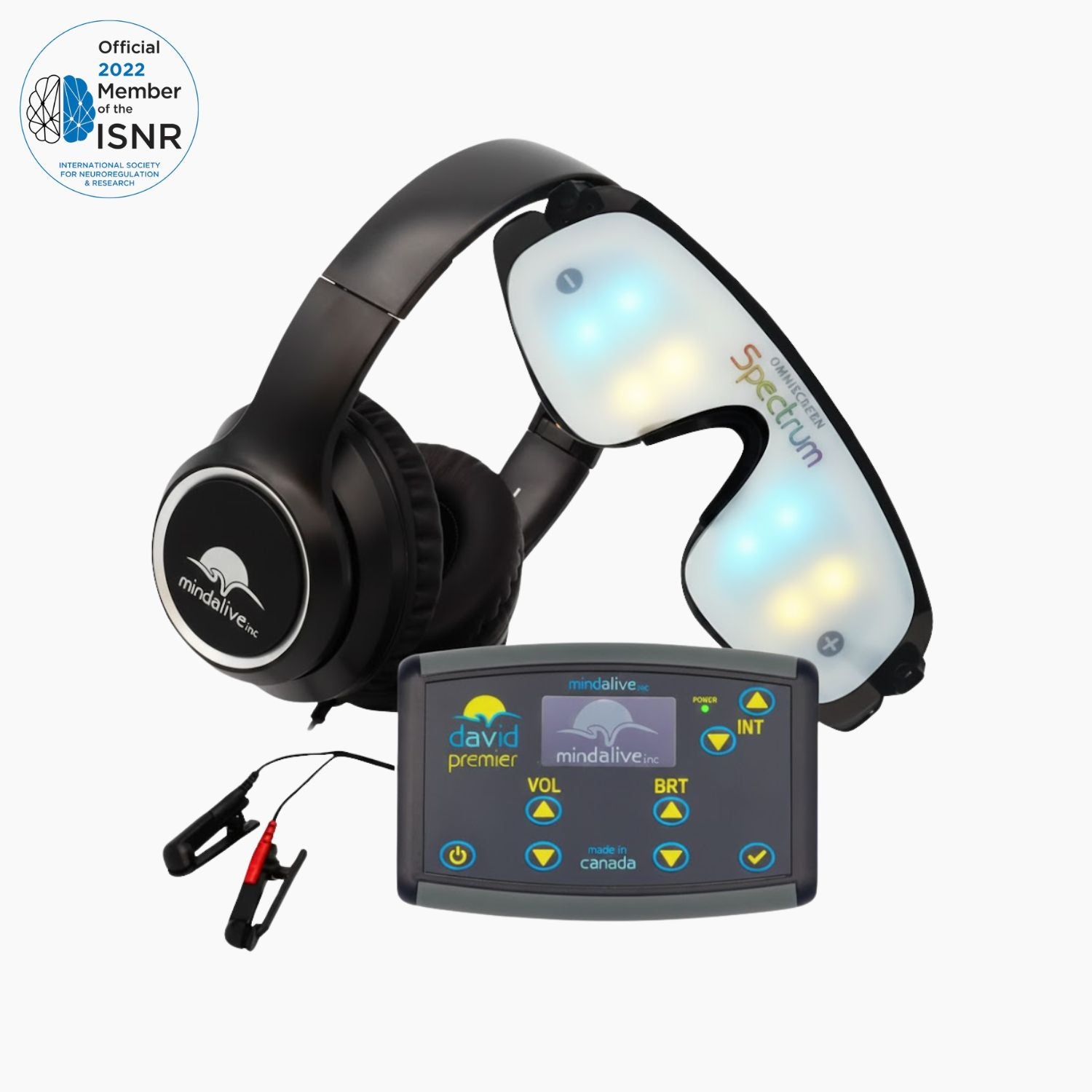
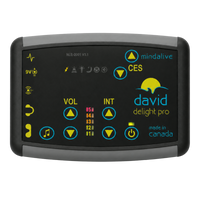
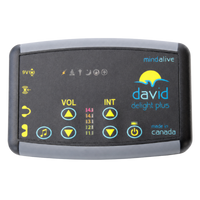
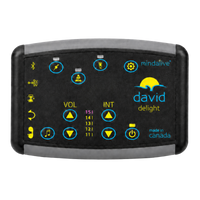
The DAVID Premier: A Tool for Restoring Mood and Energy in SAD
The DAVID Premier uses structured protocols that help support the brainwave patterns winter suppresses. Mood-stabilizing sessions increase alpha and balanced beta activity, while sleep sessions recalibrate night rhythms.
Users often describe:
- more stable mood throughout winter
- higher morning energy
- reduced emotional heaviness
- better focus during the day
- less reliance on caffeine or naps
SAD isn’t “just feeling down because it’s dark.” It’s a seasonal disruption of the brain’s rhythm system — and restoring those rhythms can change the whole winter experience.
Explore DAVID Premier