

What Does 40Hz Light Therapy Do?
Yrian BrugmanWritten by MindAlive – 35 years of brainwave entrainment, 5x awarded for innovation in neurotechnology.
40 Hz Light Therapy: Complete Guide to Gamma Flicker Stimulation
40 Hz light therapy uses a precisely timed flickering light at 40 flashes per second to encourage gamma brainwave activity, cognitive clarity, and neuroprotective benefits. Research from leading institutions has identified 40 Hz as a uniquely powerful frequency for the brain — and now you can experience it at home with a free downloadable tool and the DAVID Premier AVE + CES system.
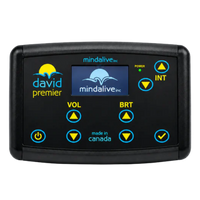
The DAVID Premier guide explains how to combine 40 Hz light therapy with audio-visual entrainment and cranio-electro stimulation for a comprehensive brain wellness protocol.
▶ Try Free 40 Hz Light Therapy ToolKey Takeaways
- 40 Hz light therapy delivers gamma-frequency flicker to promote organized neural activity, linked to memory, focus, and brain health.
- The free 40 Hz light therapy tool runs in any browser — adjustable duration, color, and brightness.
- DAVID Premier delivers calibrated 40 Hz light through specialized glasses, combining AVE + CES for deeper entrainment than screen-based flicker alone.
- Emerging research suggests 40 Hz stimulation may support neuroprotection and counter age-related cognitive decline.
- The DAVID Premier guide details how to select the right sessions and build a consistent routine.
What Is 40 Hz Light Therapy?
40 Hz light therapy — also called gamma light therapy or 40 Hz flicker therapy — involves exposure to a light source that flashes precisely 40 times per second. This frequency falls in the gamma band of brainwave activity, which the brain naturally uses for:
- Binding sensory information into coherent perception
- Sustaining focused attention and working memory
- Coordinating communication between distant brain regions
- Clearing cellular waste products through glymphatic activation
When your brain is exposed to a 40 Hz flicker, it begins to synchronize its own electrical activity to match — a process called photic entrainment. This is the core mechanism behind 40 Hz light therapy.
Think of it this way: 40 Hz light therapy acts like a pacemaker for your gamma rhythms — gently guiding your brain into a pattern of organized, high-frequency activity that supports clear thinking and long-term brain health.
The Science Behind 40 Hz Light Therapy
The scientific interest in 40 Hz light therapy surged after landmark research from MIT demonstrated that exposure to 40 Hz flickering light reduced amyloid-beta plaques in mouse models of Alzheimer's disease. Since then, the field has expanded rapidly:
- Gamma entrainment and neural cleanup: 40 Hz flicker has been shown to activate microglia (the brain's immune cells), which help clear toxic protein buildup associated with neurodegeneration.
- Improved cerebral blood flow: Studies report increased blood flow in brain regions exposed to gamma-frequency stimulation, supporting nutrient delivery and waste removal.
- Cognitive performance: Healthy adults exposed to 40 Hz stimulation often show improvements in attention, working memory, and reaction time.
- Sleep and circadian support: Some research suggests that daytime gamma stimulation may improve nighttime sleep quality by promoting healthier overall brainwave patterns.
| Research Area | Key Finding | Relevance to 40 Hz Light Therapy |
|---|---|---|
| Amyloid-beta clearance | 40 Hz flicker reduced plaque levels in animal models | Suggests neuroprotective potential for age-related cognitive decline |
| Microglial activation | Gamma stimulation prompts immune cells to clear cellular waste | Supports the brain's natural detoxification processes |
| Working memory | Participants showed faster recall and fewer errors after 40 Hz sessions | Practical benefit for students, professionals, and older adults |
| Cerebral blood flow | Increased regional blood flow during and after stimulation | Better nutrient delivery and metabolic support for neurons |
| Human clinical trials | Ongoing trials at multiple institutions with promising early results | 40 Hz light therapy is moving from lab to clinical practice |
40 Hz Light Therapy vs. 40 Hz Binaural Beats
Both 40 Hz light therapy and 40 Hz binaural beats target gamma brainwave activity, but they work through different sensory pathways. Understanding the difference helps you build the most effective routine:
| Feature | 40 Hz Light Therapy | 40 Hz Binaural Beats |
|---|---|---|
| Sensory pathway | Visual (photic stimulation via eyes) | Auditory (tonal difference perceived by brain) |
| Equipment needed | Flicker device, LED glasses, or screen tool | Stereo headphones |
| Entrainment strength | Strong — visual cortex responds quickly to flicker | Moderate — requires sustained listening for effect |
| Research depth | Rapidly growing, including Alzheimer's and neuroprotection studies | Established for focus and relaxation |
| Best combined with | DAVID Premier AVE sessions for calibrated delivery | Headphones + DAVID Premier CES for layered stimulation |
The most effective approach is to combine both modalities. The DAVID Premier does exactly this — delivering synchronized light and sound at gamma frequencies through its AVE protocol, enhanced by CES for deeper neurological engagement.
How DAVID Premier Delivers Superior 40 Hz Light Therapy
While the free 40 Hz light therapy tool is a great introduction, screen-based flicker has limitations: brightness varies by device, viewing angle matters, and screens cannot deliver light uniformly to both eyes. The DAVID Premier solves all of these issues:
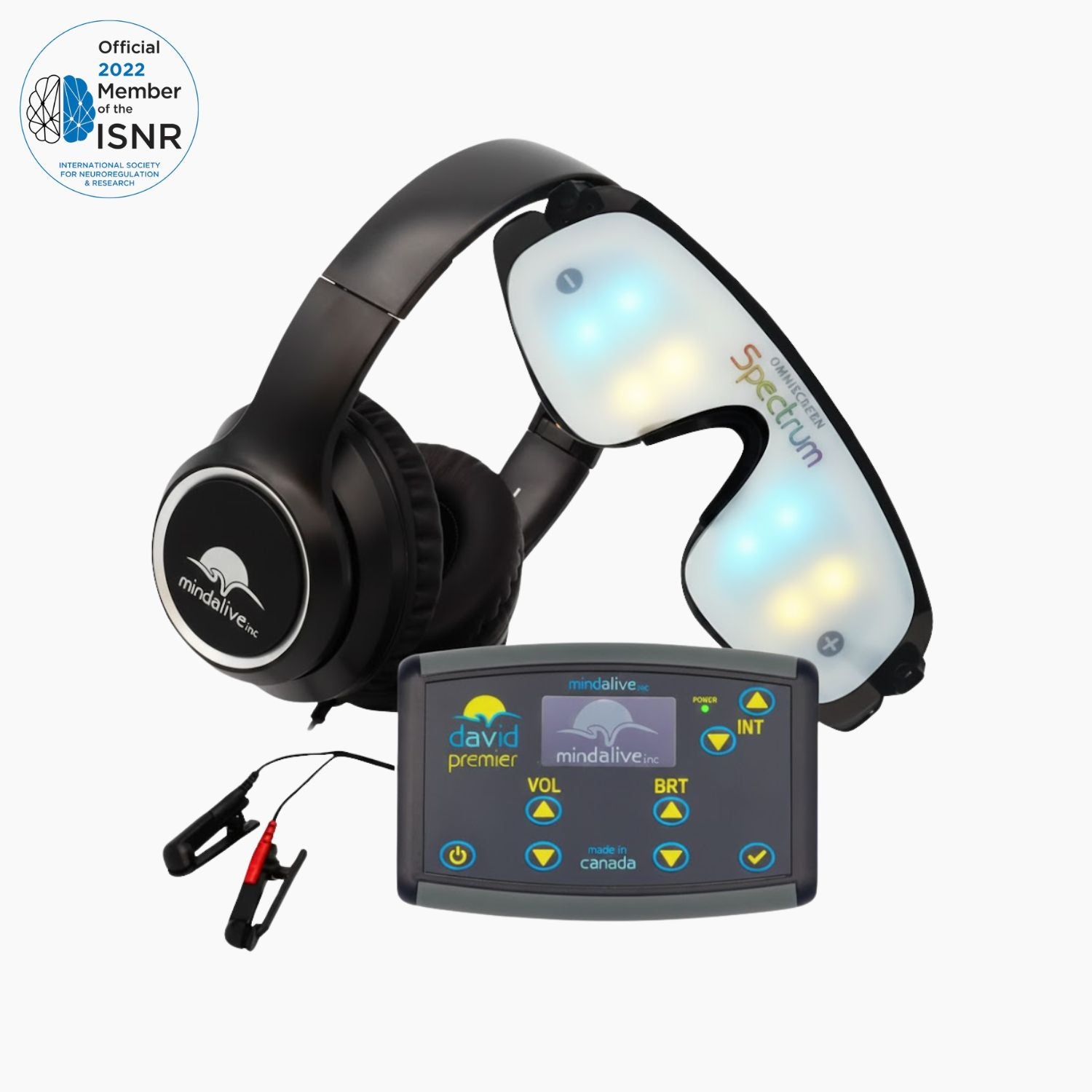
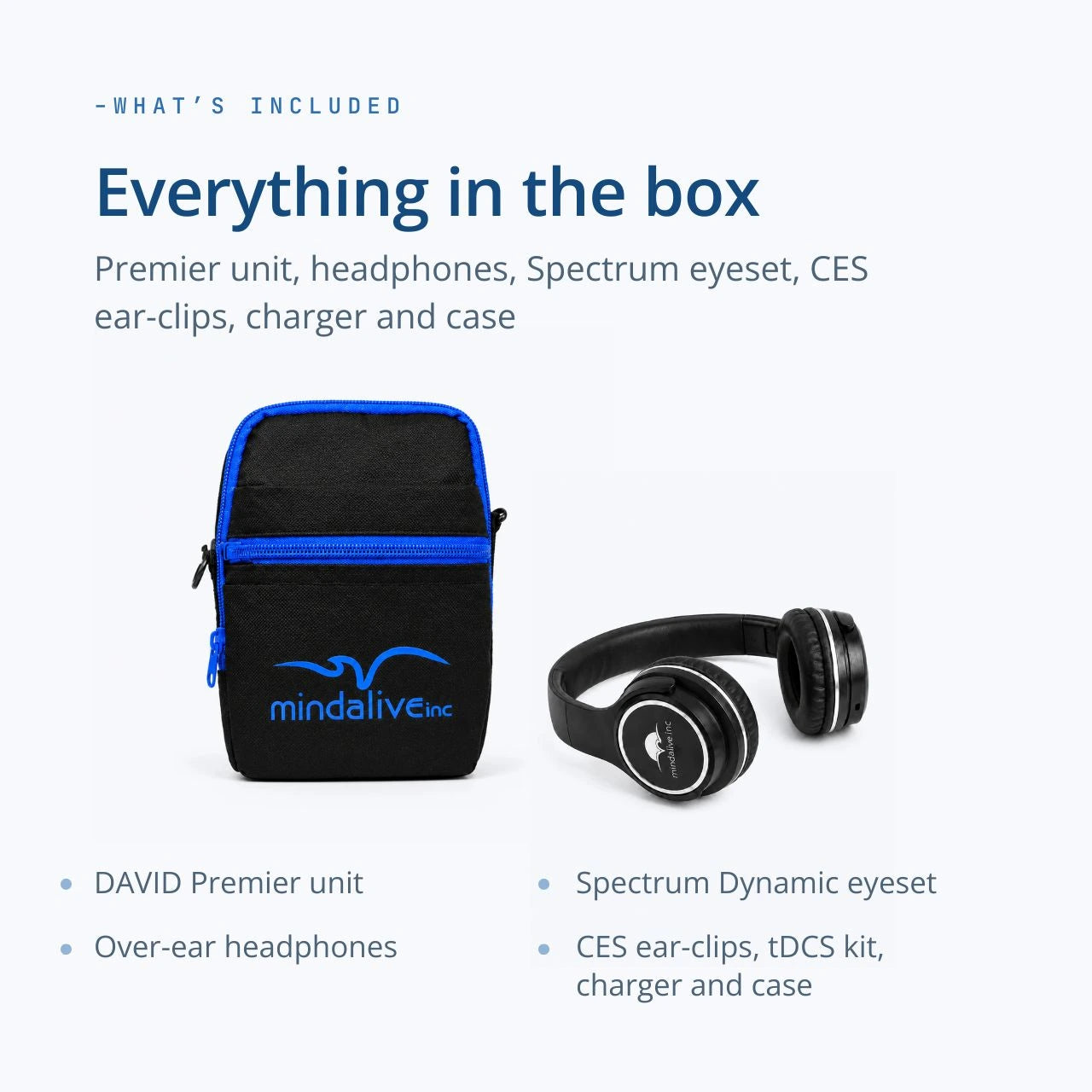
- Calibrated LED glasses: Purpose-built eyesets deliver precise 40 Hz flicker directly and evenly to both eyes, regardless of ambient lighting.
- Audio-visual entrainment (AVE): Light and sound are perfectly synchronized, driving gamma activity through multiple sensory channels simultaneously.
- Cranio-electro stimulation (CES): Gentle microcurrent stimulation adds a third entrainment layer for deeper, more consistent results.
- Pre-built protocols: The DAVID Premier guide includes session programs specifically designed around gamma-frequency stimulation.
Why it matters: Clinical studies on 40 Hz light therapy use controlled, calibrated light delivery — not laptop screens. DAVID Premier brings that same level of precision to your home routine.
Benefits of 40 Hz Light Therapy
Based on current research and user experience, 40 Hz light therapy may support the following areas when used consistently as part of a broader wellness routine:
Cognitive Performance and Focus
Gamma activity is the brain's "binding frequency" — the rhythm that ties together distributed neural processes into a unified experience. By strengthening gamma through 40 Hz light therapy, users often report sharper focus, faster information processing, and improved mental stamina during demanding tasks.
Memory Support and Brain Health
The neuroprotective research around 40 Hz stimulation is among the most exciting in neuroscience. While human clinical trials are still ongoing, the animal studies and early human data suggest that regular 40 Hz exposure may help maintain healthy brain function as we age.
Mood and Mental Clarity
An organized, well-synchronized brain tends to feel calmer and clearer. Many users describe a sense of "mental brightness" after 40 Hz sessions — not euphoria, but a quiet, alert confidence. This complements the mood-support protocols available on the DAVID Premier.
Sleep Quality
While 40 Hz light therapy is an activating stimulus best used during the day, its downstream effects on overall brainwave organization may contribute to better sleep at night. Use gamma sessions in the morning or early afternoon and switch to slower, relaxation-oriented DAVID Premier programs in the evening.
How to Use the Free 40 Hz Light Therapy Tool
- Open the 40 Hz light therapy tool in your browser (works on desktop, tablet, and phone).
- Choose your preferred duration (5, 10, 15, or 20 minutes), light color, and brightness level.
- Sit 40–60 cm from your screen in a dimly lit room for best effect.
- Press "Start 40 Hz Session" and keep your eyes open with a relaxed, soft gaze toward the flickering area.
- Breathe naturally and let the flicker do its work — no need to concentrate hard.
- After the session, close your eyes for 30–60 seconds and notice how your mind feels.
- For significantly stronger results, pair the tool with a DAVID Premier AVE session.
Building a 40 Hz Light Therapy Routine
Consistency matters more than intensity. Here is a practical framework for integrating 40 Hz light therapy into your daily life:
| Goal | Recommended Routine | DAVID Premier Integration |
|---|---|---|
| General brain maintenance | 10 min daily, morning or early afternoon | Use a gamma-focused AVE program 3–5x per week (see guide) |
| Focus and productivity | 10 min before deep work blocks | Run an alert/focus AVE session during the 40 Hz light exposure |
| Age-related cognitive support | 20 min daily, split into two 10 min sessions | Combine AVE + CES for maximum entrainment depth |
| Study and learning | 10 min before study sessions | Follow with a concentration-oriented DAVID Premier program |
| Meditation enhancement | 5–10 min at the start of your practice | Alternate with alpha/theta AVE sessions for variety |
Safety Precautions for 40 Hz Light Therapy
40 Hz light therapy is non-invasive and generally well-tolerated, but responsible use is essential:
- Photosensitive epilepsy: Do not use 40 Hz flicker if you have a history of seizures or photosensitive epilepsy. Consult your neurologist first.
- Migraine sensitivity: Some migraine sufferers find flicker uncomfortable. Start with short sessions (5 minutes) at lower brightness.
- Do not drive or operate machinery while using any form of photic stimulation.
- DAVID Premier safety: Do not use the device if you have a pacemaker or implanted electronic medical device.
- Children: Use only under adult supervision and with guidance from a healthcare professional.
- Stop immediately if you experience discomfort, headache, nausea, or visual disturbances.
- Follow all instructions in the DAVID Premier guide and your device manual.
FAQ: 40 Hz Light Therapy
What does 40 Hz light therapy do to the brain?
40 Hz light therapy encourages the brain to synchronize its electrical activity at the gamma frequency. This promotes organized neural communication, supports microglial activation (the brain's waste-clearing immune cells), and may enhance focus, memory, and long-term brain health.
How long should a 40 Hz light therapy session last?
Most research protocols use 20–60 minutes of exposure. For home use, start with 10 minutes and gradually increase to 20 minutes as you become comfortable. The free 40 Hz tool offers sessions from 5 to 20 minutes.
Is 40 Hz light therapy safe?
For most people, yes. 40 Hz light therapy is non-invasive and uses ordinary visible light. The primary risk is for individuals with photosensitive epilepsy, who should avoid all flicker-based stimulation. Always consult a healthcare professional if you have neurological conditions.
Can I use 40 Hz light therapy for Alzheimer's?
Research on 40 Hz gamma stimulation for Alzheimer's is active and promising, but still in clinical trial stages. 40 Hz light therapy is not an approved treatment for Alzheimer's disease. If you or a loved one has Alzheimer's, work with your medical team and discuss whether 40 Hz stimulation could be a useful complement to standard care.
Is a screen-based tool as effective as DAVID Premier?
A screen-based tool provides a useful introduction to 40 Hz light therapy, but the DAVID Premier delivers significantly stronger entrainment through calibrated LED glasses, synchronized audio, and CES. For consistent, research-grade results, dedicated hardware is recommended.
Can I combine 40 Hz light therapy with binaural beats?
Absolutely. Combining 40 Hz light with 40 Hz binaural beats stimulates the brain through both visual and auditory pathways simultaneously. This is the principle behind DAVID Premier's AVE technology. You can also listen to a 40 Hz binaural beats MP3 through headphones while using the light therapy tool.
When is the best time of day for 40 Hz light therapy?
Morning or early afternoon is ideal. Because 40 Hz is an activating frequency, using it too close to bedtime may interfere with sleep. For evening use, switch to slower, relaxation-focused protocols on your DAVID Premier.