

The Benefits Of Theta Waves
Yrian BrugmanThe Complete Guide to Theta Wave Benefits
If your mind feels overstimulated, your sleep is shallow, or you’re constantly stuck in “thinking mode,” reaching the theta brainwave state may be one of the most effective ways to restore balance. In this article, we’ll explore the real Theta wave benefits, how they work, and how you can train this state consistently using meditation, breathwork, and light & sound stimulation.
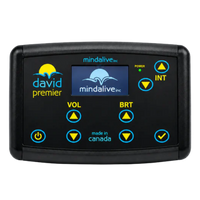
Theta waves (4–7 Hz) are often described as the bridge between the conscious and subconscious mind. They occur naturally during deep relaxation, the moments before sleep, daydreaming, and meditative states. They’re also a core component of many structured brainwave entrainment programs like those used in the DAVID Premier.
 Theta is the “slow-down gateway” of the brain — a frequency band where stress loosens, imagery becomes vivid, and the mind finally stops fighting itself.
What Exactly Are Theta Waves?
Theta waves fall between alpha (light relaxation) and delta (deep sleep). That’s why they’re uniquely associated with emotional integration, creativity, and internal stillness. Many people report that theta feels like a warm, inward shift — a moment where the body softens, the breath deepens, and mental noise fades into the background.
If you’d like a broad scientific context of brainwave development, see our guide on age-related patterns: Human brainwaves by age.
The 6 Most Important Theta Wave Benefits
Below are the most commonly reported and researched effects. These are realistic, grounded, and aligned with what long-term Mind Alive users describe during their sessions.
1. Deep relaxation & nervous system downshift
Theta is strongly associated with the parasympathetic system. When theta rises, muscle tension decreases, breathing slows, and the “threat scanning” pattern of beta waves reduces. This is why one of the most immediate Theta wave benefits is a sense of calm that feels earned rather than forced.
2. Emotional processing & internal clarity
Theta gives the brain room to sort, integrate, and make sense of stored emotional material. Many therapists and researchers use theta-linked interventions for trauma processing, reflective work, or cognitive resets. It’s not magic — it’s simply a brain state that is more receptive.
3. Creativity, intuition & insight generation
Ideas often appear in the micro-moments before sleep. That’s theta. Painters, writers, engineers and musicians frequently enter theta during flow states. The mind becomes more associative, more imagery-driven, and less linear.
4. Better sleep onset
Theta naturally precedes sleep. Training your brain to enter theta more easily can reduce nighttime rumination, restlessness, and stress. For device-supported routines, see all sleep-focused sessions in the DAVID Premier session library.
5. Reduced mental resistance
When people feel stuck in their heads, they’re usually stuck in fast beta. Theta helps break the loop. Many users describe that they stop “trying” and start “allowing,” which is one of the characteristics of deeper restorative states.
6. Enhanced visualization & mental imagery
One overlooked Theta wave benefits effect is improved visual clarity. Athletes, performers, and high-performers often use theta-linked training to visualize movement, outcomes, and emotional scenarios with more detail and realism.
Where Theta Waves Fit Into Daily Life
Below is a simple structured table showing how theta can support different goals, what it tends to feel like, and how to reach it:
| Goal | How Theta Feels | Ways to Access It | Best Timing |
|---|---|---|---|
| Stress reduction | Warm, calm, internal quieting | Breathwork, guided relaxation, theta-focused light & sound sessions | Late afternoon or evening |
| Creativity boost | Imagery, intuitive insights | Meditation + journaling, visualization practices | Morning or early afternoon |
| Sleep support | Drowsy but clear, less rumination | Low-light routines, pre-sleep entrainment | 30–60 minutes before bed |
| Emotional clarity | Softer thinking, openness | Therapeutic work, reflective journaling | Whenever you have space |
How to Safely Access the Theta State
You don’t need perfection — only consistency. Here are three reliable ways to access theta:
1. Breath-led transitions
Slow nasal breathing, longer exhales, and gentle body-scanning can shift your state quickly. This is the easiest entry point when you’re overwhelmed or overstimulated.
2. Meditation & guided visualization
Theta thrives on imagery. So meditation combined with sensory visualization (sounds, colors, textures) helps deepen the state far more effectively than “trying to quiet the mind.”
3. Light & sound brainwave entrainment
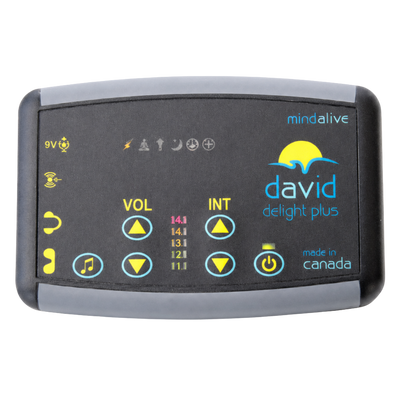
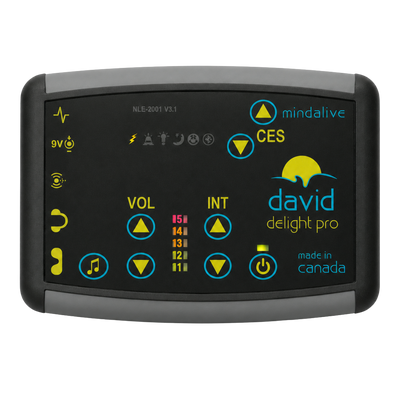
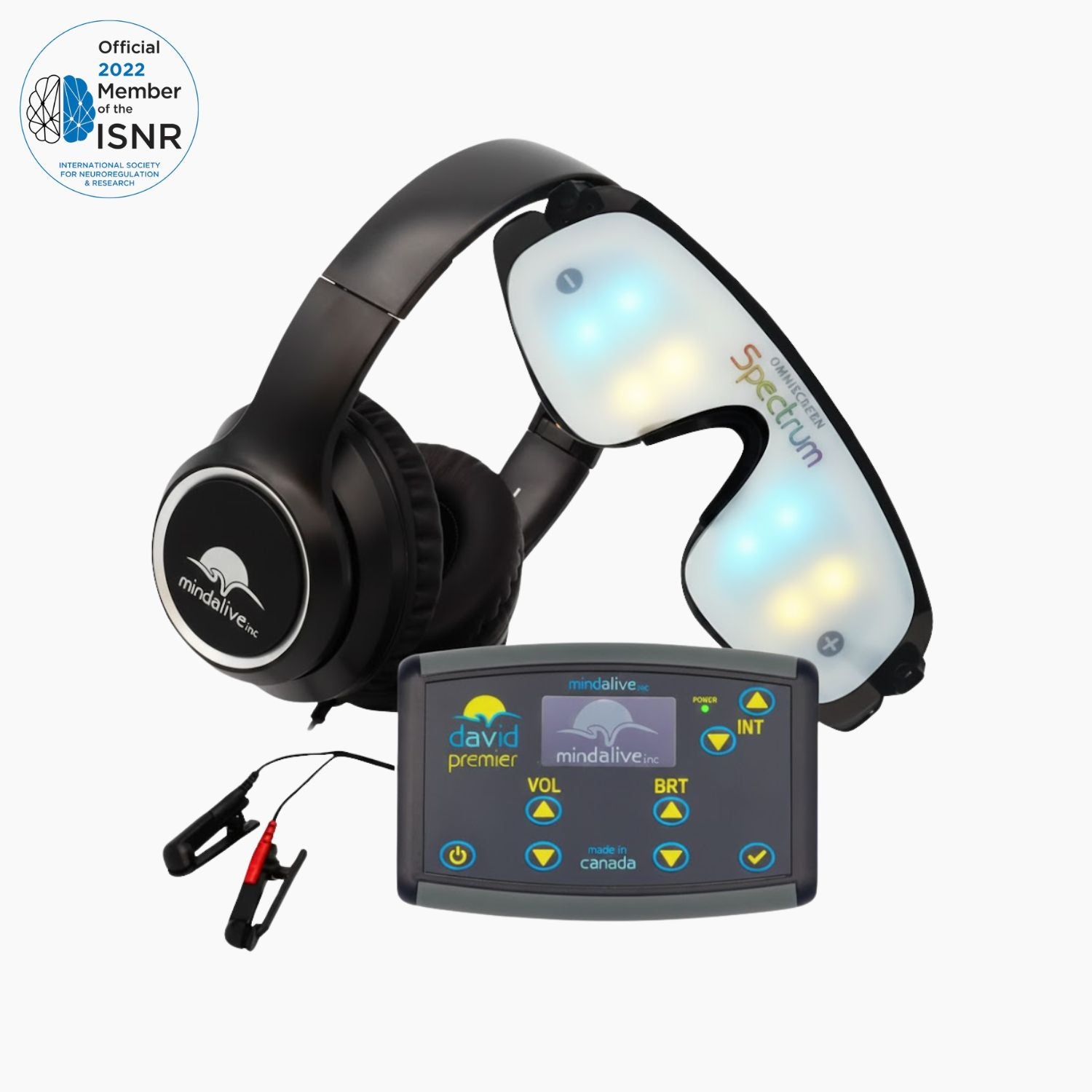
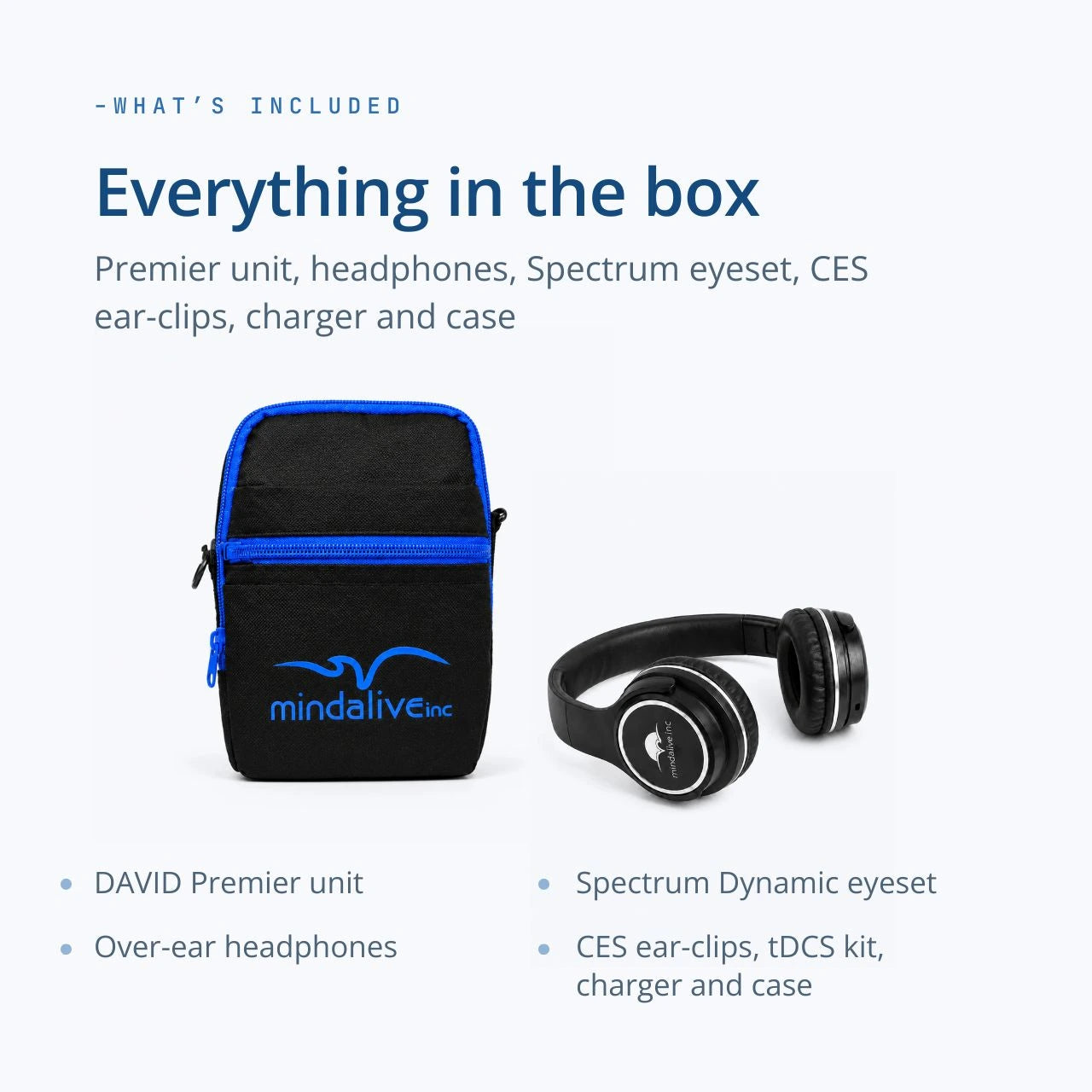
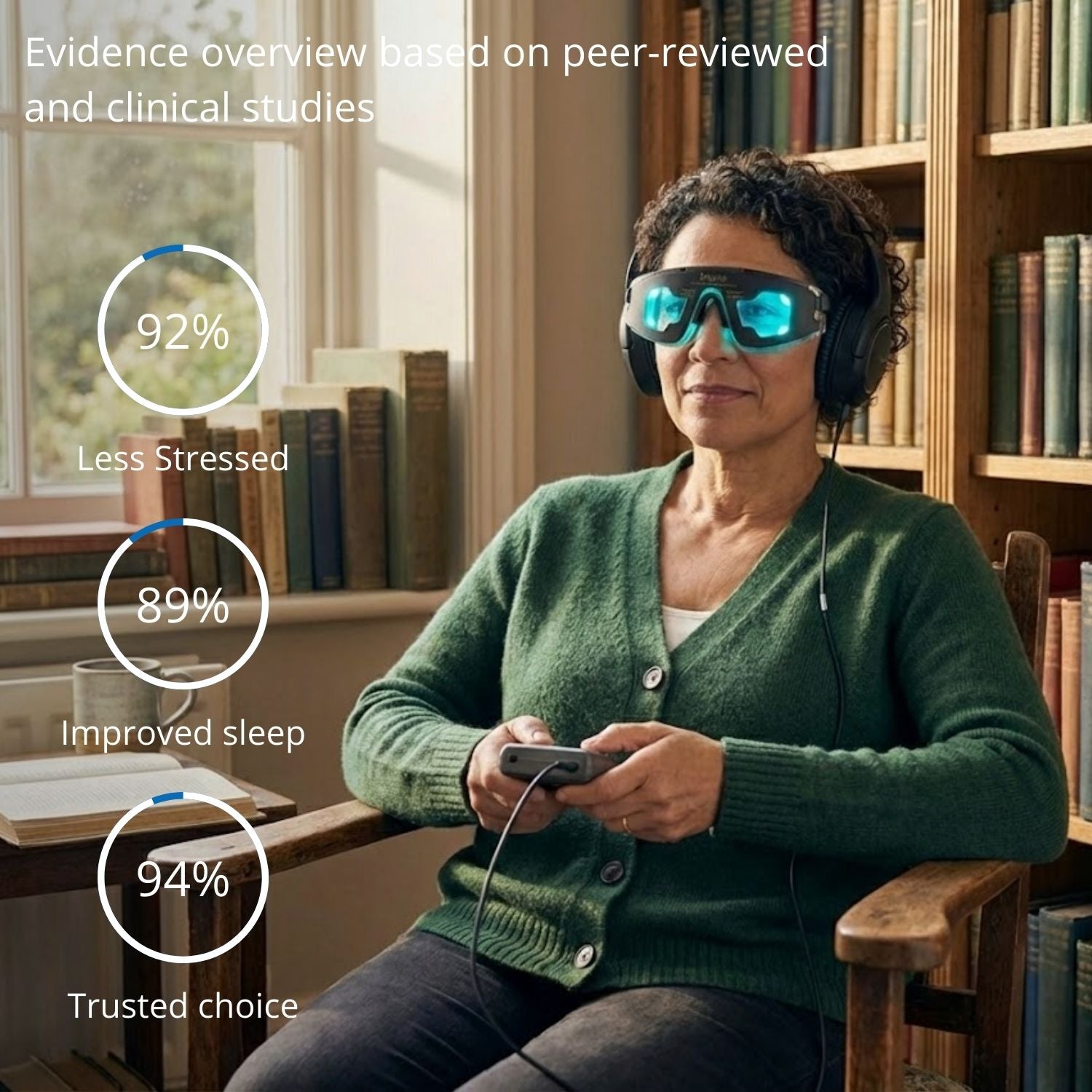
This is the most structured method. Devices like the DAVID Premier use rhythmic pulses of light and sound to guide the brain into specific frequency patterns rapidly — including programs optimized for theta-dominant relaxation, creative flow, and emotional restoration.
How Often Should You Train Theta?
If you’re new, start with:
- 10–20 minutes per session
- 3–5 days per week
- A quiet environment with minimal stimulation
As your brain learns the state, you’ll access it much faster — even during daily stress. This is one of the most powerful long-term Theta wave benefits: the ability to shift your internal state intentionally.
Want to Go Deeper Into the Research?
For a scientific foundation, see:
- NCBI – Psychological effects of brainwave entrainment
- Scientific studies on the DAVID devices
- Human brainwaves by age
Start Training Theta Consistently
Theta-driven relaxation and creativity aren’t random—they’re trainable. If you want structured programs that guide your brain safely and consistently into restorative states, explore our most advanced system below.
Explore DAVID Premier