

The Full Guide to Binaural Entrainment
Yrian BrugmanWritten by Mind Alive. Brain Optimization for All Ages.

Why Millions Try It, Why Many Still Struggle, and What Actually Works.
For more than a decade, people have searched for ways to calm the mind, sleep deeper, feel less anxious and think more clearly. Many end up trying the same tool first: binaural beats.
On paper it sounds perfect. Two tones, one in each ear, combine in the brain to create an internal beat at a specific frequency. Delta for sleep. Alpha for calm. Beta for focus. A simple solution for complex problems.
And yet millions report the same experience. It helps a little, but not enough. It relaxes them, but doesn’t change anything long term. And on bad days, it does nothing at all.
Why Binaural Entrainment Became So Popular
Binaural entrainment promised something people desperately wanted: a way to shift their mental state using sound alone.
You could find thousands of playlists, apps and videos claiming to help with:
- sleep problems
- anxiety
- focus and studying
- meditation depth
- mood and motivation
For some people, it works for short-term relaxation. But for many, the deeper problems remain.

Why Most People Still Feel “Stuck”
You may have already noticed this pattern:
- You listen to alpha waves but still feel stressed
- You listen to delta beats but still wake up tired
- You listen to focus frequencies but still feel foggy
It feels like your brain is not responding. And in many cases, that is exactly what is happening.
Binaural entrainment works only when the brain is already calm enough to integrate the signal. Most stressed or tired brains cannot.
The Science: Why Binaural Beats Often Underperform
To understand why binaural entrainment is inconsistent, you need to understand how the signal works. Binaural beats rely on auditory phase detection. The brain must process two tones precisely and then generate the internal beat between them.
This requires:
- stable auditory pathways
- low stress
- low distraction
- balanced hemispheres
- good sleep the night before
These are the exact things most people do not have when they seek help.
The Bigger Issue: It Only Stimulates One Sensory Channel
The human brain entrains best when multiple sensory systems receive the same rhythmic signal. Binaural beats use only one channel: sound.
The brain responds more strongly to visual entrainment than audio alone. And it responds best when the two are combined.
What the Research Shows
The NIH published a major review on brainwave entrainment and found that audiovisual entrainment consistently outperforms audio-only methods .
This is because the visual cortex is larger, faster, and more responsive than the auditory cortex.
Binaural Beats Can Help Some People, But Not Most
For individuals who are:
- already relaxed
- not overwhelmed
- not exhausted
- not dealing with chronic stress
- not neurodivergent
- not sleep deprived
Binaural entrainment can be pleasant and mildly effective.
But for those who actually need brain regulation, sound alone is too weak to create meaningful change.
The Real Solution: Multisensory Entrainment
The most effective way to shift brainwaves is through rhythmic light combined with rhythmic sound. This is known as Audiovisual Entrainment (AVE).
Unlike binaural beats, AVE does not rely on your brain to create the signal. It delivers the frequency directly through both visual and auditory pathways.
This produces a much stronger frequency-following response and shifts brainwaves within minutes.

Why the DAVID Premier Outperforms Binaural Beats
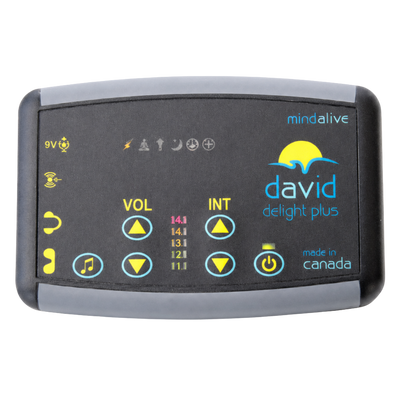
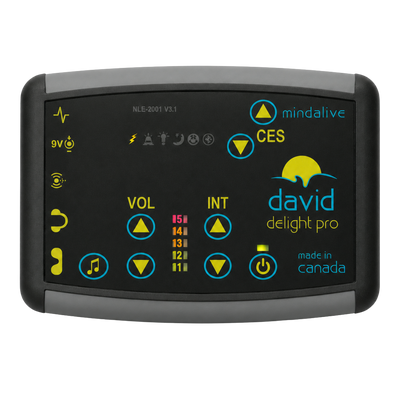
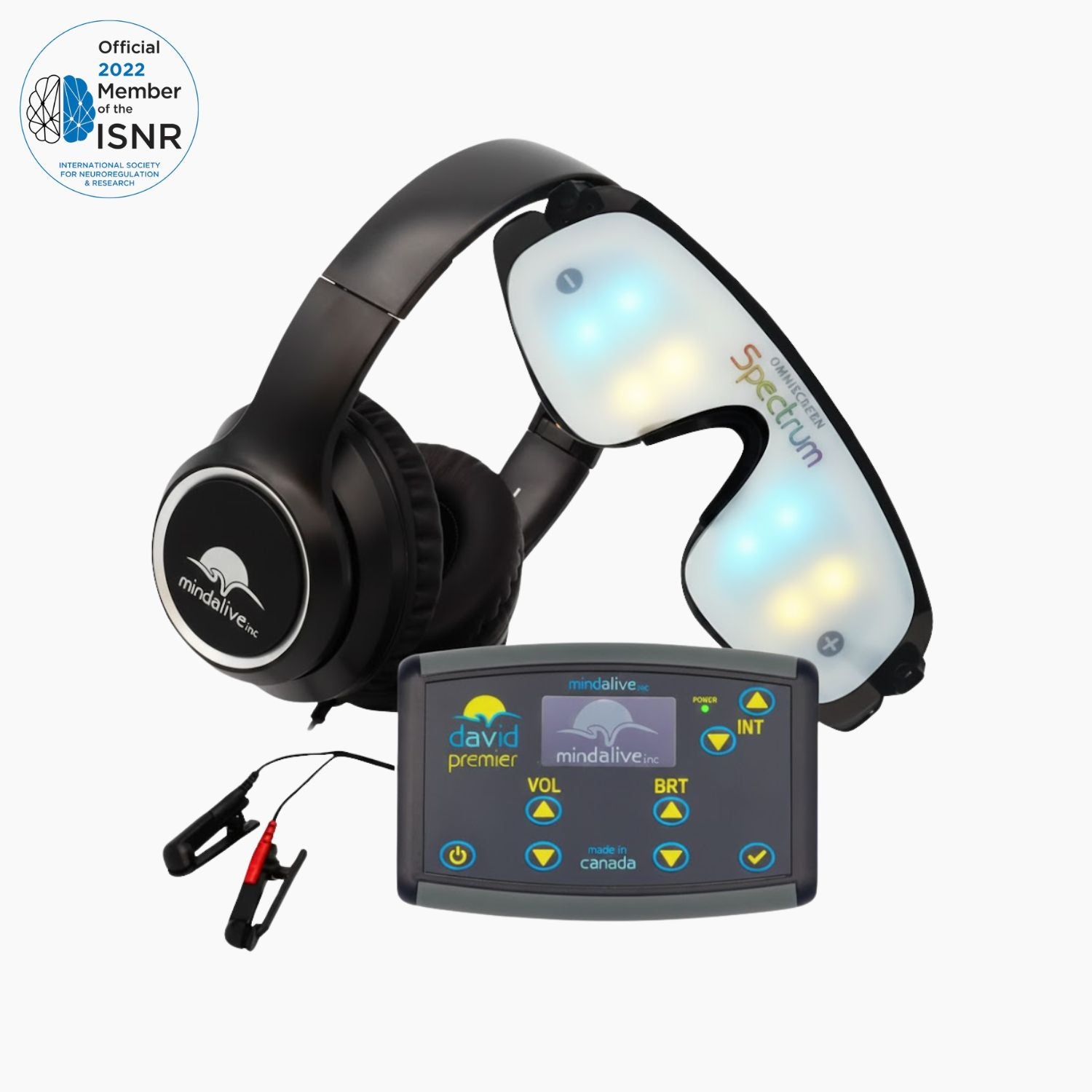
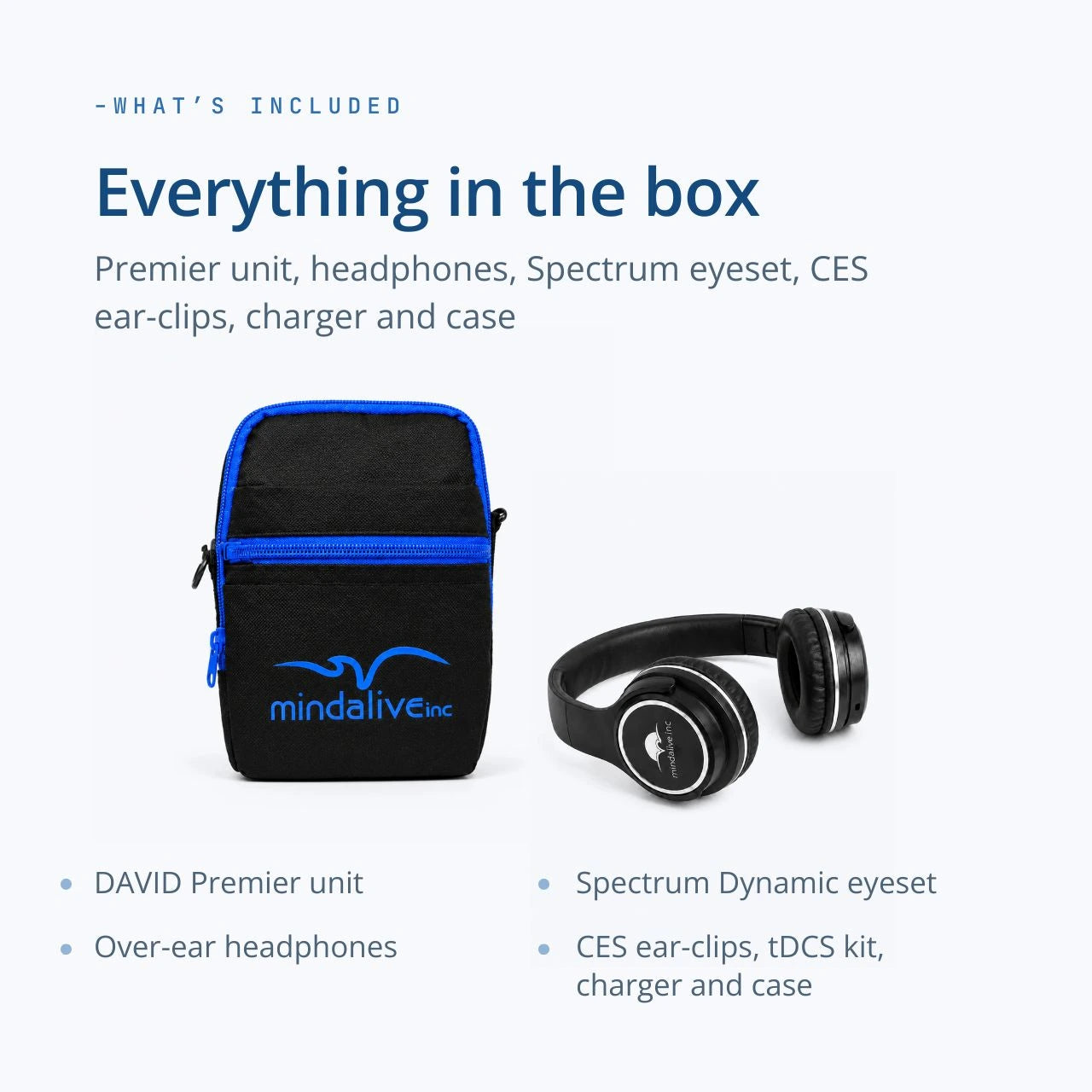
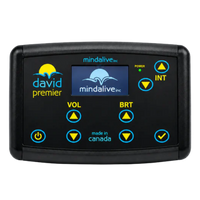
The DAVID Premier uses LED-based stimulation with sound pulses. This activates the visual cortex, auditory cortex, thalamus, corpus callosum and brainstem simultaneously.
It is scientifically confirmed in dozens of studies: Scientific Studies on the DAVID Devices .
And the complete breakdown of how brainwaves shift with age is here: Human Brainwaves by Age .
What People Experience With AVE Versus Binaural Beats
Users consistently report:
- deeper sleep
- less anxiety
- a quieter mind
- improved focus during the day
- faster transitions into calm states
- greater emotional stability
- higher resilience against stress
These outcomes rarely happen with binaural beats alone.
If Binaural Beats Have Let You Down, There Is a Reason
Your brain was not able to follow the signal. Not because something is wrong with you, but because the method was too weak for what you needed.
Your Brain Can Change. It Just Needs a Stronger Signal.
If you want real entrainment, deeper calm, clearer thinking and better sleep, you need a tool that actually reaches the brain networks responsible for rhythm.
That is where the DAVID Premier excels.
Explore the DAVID Premier